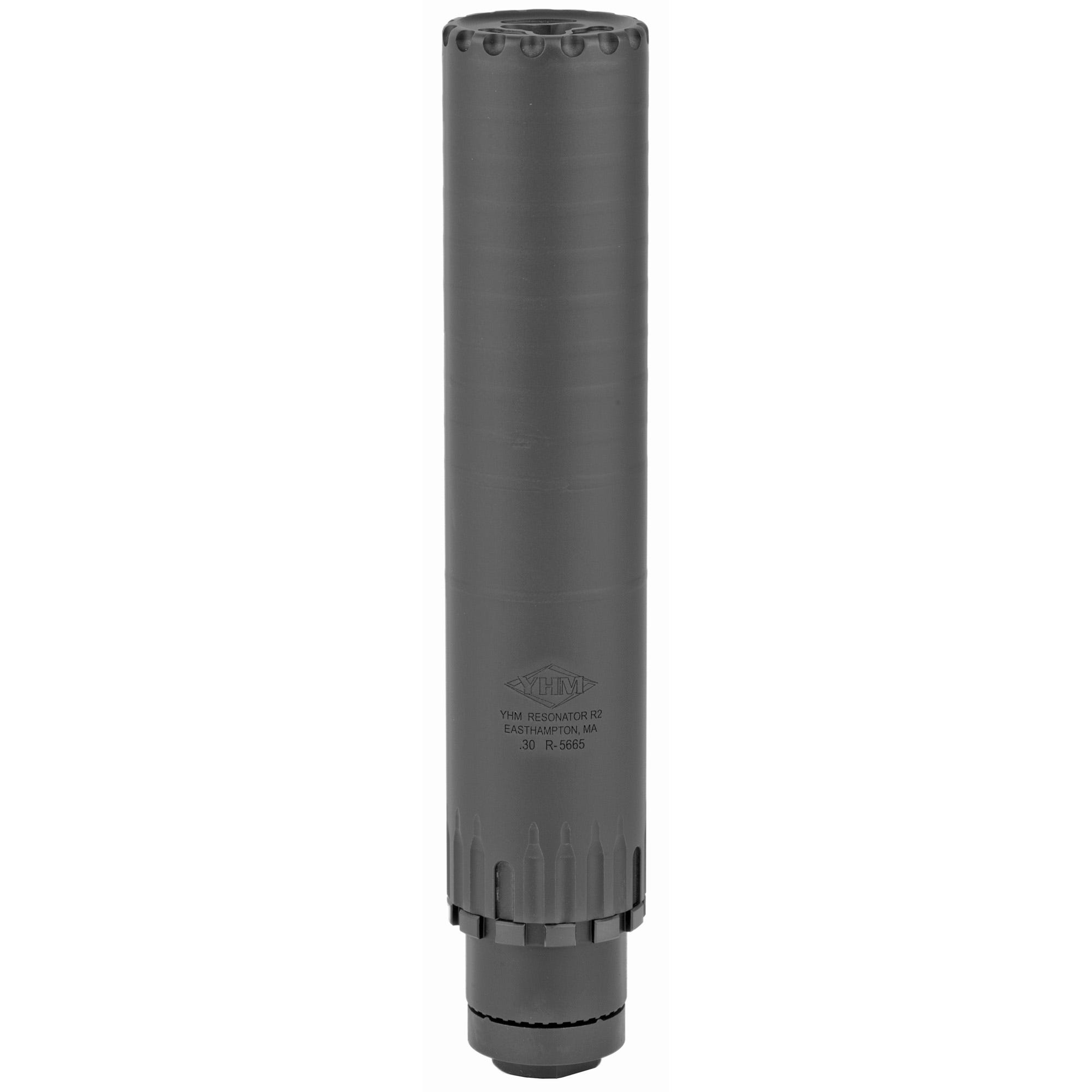
There are 34 live .300 Blackout suppressor listings across the 10 retailers we track today. That is a small category next to .30 caliber, and a considerably more confusing one, because a large share of what files under this heading is not a dedicated .300 Blackout can at all.
The entry figure is the third-cheapest listing rather than the single lowest. The cheapest row in the category is a Sylvan Arms listing at $434.99, and the one we quote sits at $522.99 — the gap between those two numbers is the reason for the rule. A single low row in a retailer feed is more often a dead listing or a stray keystroke than a deal, and quoting it would make this page wrong at the moment you clicked through.
The number worth pausing on is the distance between the average and the median. The average sits around two hundred and forty dollars above the middle of the market, which in most categories means a long premium tail. Here it means something more specific. The top of this range is not expensive suppressors, it is complete firearms sold with a can attached — a Maxim Defense short-barreled rifle package at $3,389.99, a Blackout Dynamics pistol bundle at $2,839.98, a Q Sugar Weasel at $2,500.00. Read the high figure in that index as the ceiling on a suppressed .300 Blackout package, not as what a suppressor costs.
Half of this category is a 9mm can with a second rating
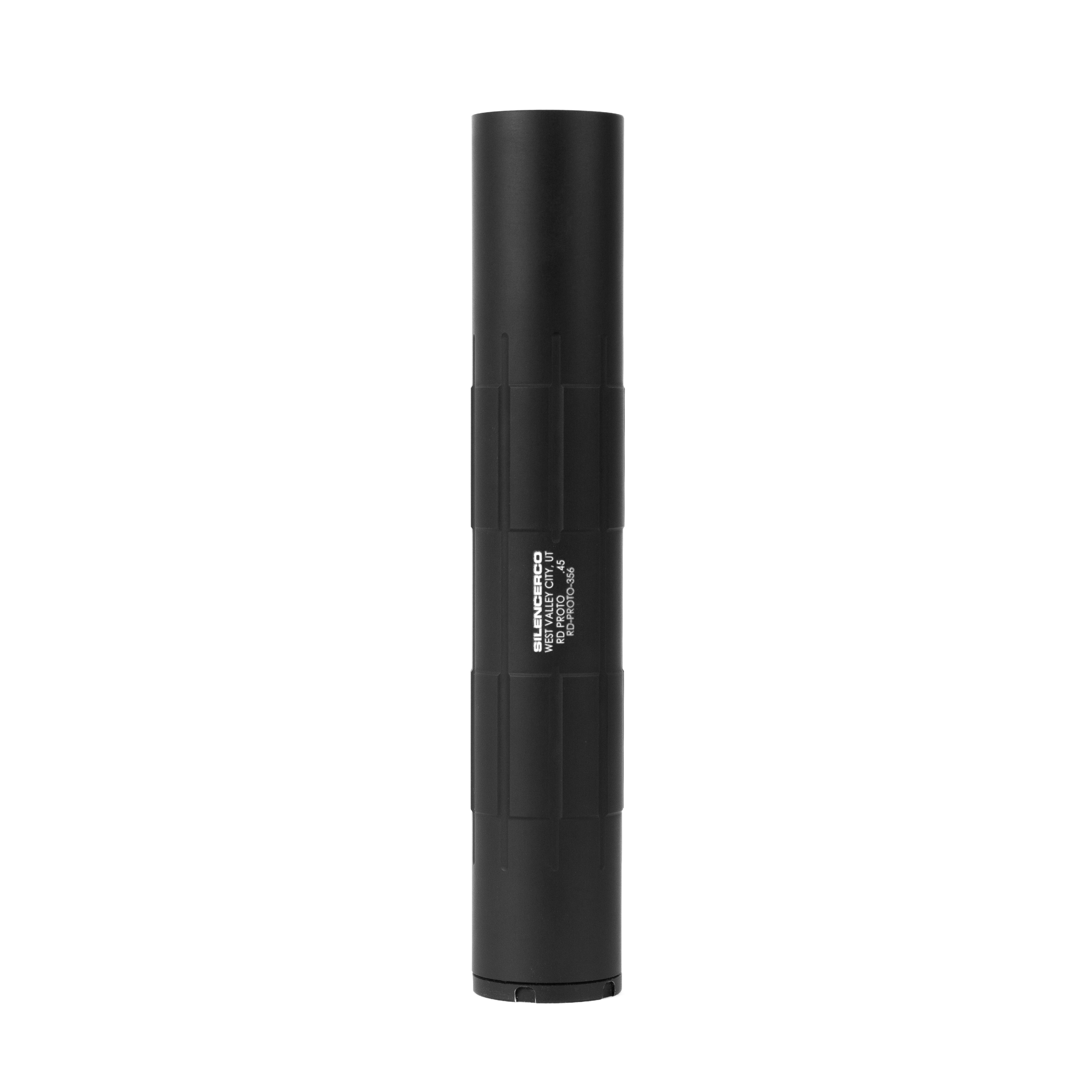
Strip out the rifle bundles and the pattern underneath is the thing nobody else writing about this cartridge tells you: several of the most commonly sold .300 Blackout suppressors are 9mm pistol cans. The Gemtech Lunar-9, the SilencerCo Osprey 9 2.0, the SilencerCo Spectre 9, the Rugged Obsidian 9 and the Dead Air Mojave-9 all appear in the .300 Blackout listings we track, and every one of them is a 9mm design first.
The reason is geometry. A 9mm bore is nominally .355 inches and a .300 Blackout projectile measures .308, so the bullet passes through a 9mm can with clearance to spare. Nothing about the bore diameter makes it a compromise.
The constraint is pressure and heat, and it is where buyers get into trouble. Manufacturers publish caliber ratings for these cans that are frequently narrower than the marketing implies, and on several of them .300 Blackout is approved as a subsonic-only cartridge. Subsonic .300 Blackout is a mild, heavy, slow load that a pistol can handles comfortably. Supersonic .300 Blackout out of a short barrel is a rifle cartridge behaving like a rifle cartridge, and a can built around 9mm pressures is not automatically rated for it. Read the manufacturer's current specification for the exact model before you decide the second caliber is unrestricted, because that rating is the whole purchase.
For anyone already shopping the pistol-caliber side of this, the 9mm suppressor guide covers those same cans on their primary caliber, including the booster question that makes a pistol can a genuinely different product from a rifle can.
What .300 Blackout suppressors cost right now
Those rows pull live from retailer feeds and refresh daily, which matters more here than it does in a larger category. With 34 listings across 10 shops, one dealer running a promotion visibly moves the whole picture.
The brand entry points sort into three tiers that do not overlap much. Sylvan Arms anchors the bottom at $434.99 and Gemtech starts at $525.00, both of them titanium and both compact. SilencerCo opens at $589.90, SIG Sauer at $779.99 and Dead Air at $902.87 — a middle tier where the marquee names live. Then Surefire at $1,214.00 and Yankee Hill Machine at $1,264.95 sit clearly above the rest.
One dealer pattern is worth knowing before you shop. GrabAGun alone carries nine of the 34 listings, and the same SIG SLH300TI family spans from $779.99 to $1,169.99 across the shops we track depending on the configuration and who is discounting. That is a wide enough spread on one model line that the table is worth reading before you commit to a retailer out of habit.
The best .300 Blackout suppressors
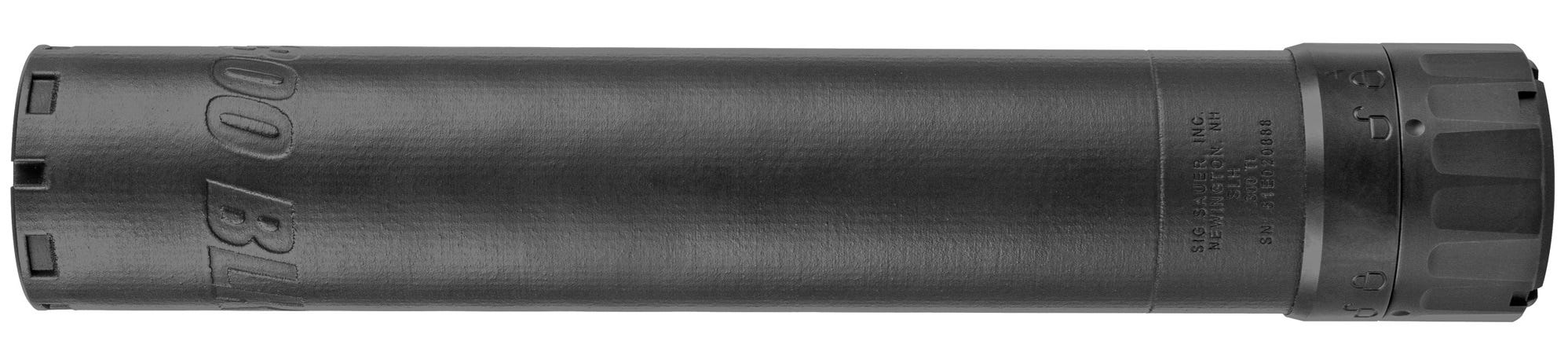
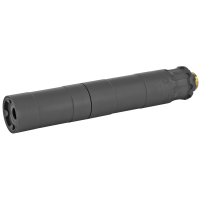
Titanium, direct thread 5/8x24, dedicated .300 Blackout
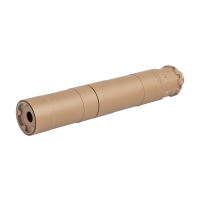
Titanium, short-configuration, 5/8x24
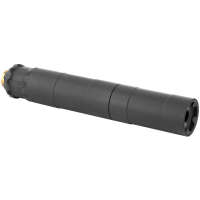
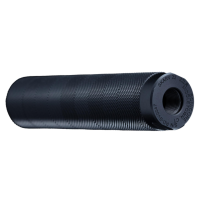
Eccentric pistol can, 9mm and .300 Blackout rated
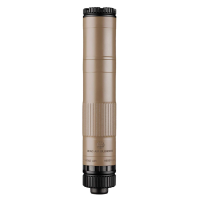
Reconfigurable between full and short lengths, 9mm and .300 Blackout
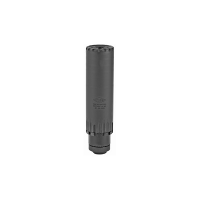
Modular length, 9mm and .300 Blackout rated
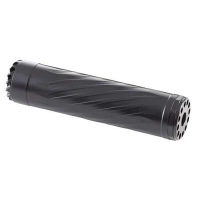
Integral suppressed barrel assembly in .300 AAC Blackout
How to choose between them
Start with what the rifle is for, because subsonic and supersonic are effectively two different projects sharing a chamber.
If the build is a subsonic host — a short barrel, heavy bullets, hearing-safe as the entire point — then a 9mm-derived can is a legitimate answer rather than a budget compromise, and it is why the entry price of this category sits where it does. You get a short, light suppressor that is well inside its rating on the load you actually shoot, and you can move it to a pistol-caliber carbine on a weekend when the .300 Blackout host stays home.
If the rifle sees supersonic ammunition in any volume, buy a rifle can. The published ratings are the reason, and the secondary reason is duty cycle: sustained supersonic fire puts heat into a suppressor that a pistol can was never designed to shed. A titanium dedicated can like the SIG SLH300TI or a .30 caliber can exists for exactly this job.
Length is the next trade and it is direct. More internal volume suppresses more, and shorter cans handle better on the short hosts this cartridge is usually built around. Modular designs try to have it both ways and pay for it in weight, money and a joint that has to index correctly every time.
Back pressure is the one first-time buyers underestimate. Every suppressor raises port pressure on a gas gun, and .300 Blackout builds are already running short gas systems with a lot of dwell. The fix is an adjustable gas block rather than a more expensive suppressor, and it is worth budgeting for alongside the can. If the host is short enough to need its own registration, the short barrel rifle guide covers what that adds to the timeline.
Should you just buy a .30 caliber can instead?
For a lot of people, yes, and it is worth being honest about that on a page selling .300 Blackout cans.
A .30 caliber suppressor passes .300 Blackout by design, along with .308, 6.5 Creedmoor and 5.56, and one stamp covering the whole safe is a strong argument. The .30 caliber guide makes that case in full, and the price data there supports it: it is the largest suppressor category we track and the most competitively priced.
What the dedicated .300 Blackout can buys is not capability, it is proportion. A .30 caliber rifle can is built to survive .308 pressure and weighs accordingly, and hanging it off a nine-inch subsonic host puts real weight at the muzzle of a gun whose reason for existing is being short and quiet. The dedicated can is shorter, lighter and cheaper because it is designed around a smaller job. If the .300 Blackout upper is your only suppressed host, buy for it. If it is one of four rifles you would like to run quiet, the .30 caliber can is the better stamp, and the 5.56 guide explains why a dedicated small-bore can is usually the third purchase rather than the second.
The paperwork, and the part nothing here can settle
A suppressor is a Title II item under the National Firearms Act. Buying one means a Form 4, fingerprints, photographs and an approval wait before the dealer can hand it over. The 2025 federal tax law zeroed the transfer tax on silencers, but nothing about the registration itself went away — confirm the current fee schedule with your dealer, since the implementation details are still settling.
State law is the harder constraint and the one nothing on this page can answer for you. Suppressor ownership is prohibited outright in some states and restricted in others, and those rules change. This is not legal advice: verify your own state's current law, and your dealer's reading of it, before you put money down. If the plan involves a barrel short enough to require it, that is a second registration and a separate wait.
Budget for what surrounds the can, too. Thread adapters if it moves between hosts with different pitches, and a suppressor cover once you are shooting in volume, because a short can on a short barrel gets hot faster than a long one and throws enough mirage to wash out an optic.
Frequently asked questions
Will my 9mm suppressor work on .300 Blackout?
Often, but only within the rating the manufacturer publishes. A 9mm bore passes a .308 projectile with clearance, so the geometry is not the problem; pressure and heat are. Several of the dual-rated cans in this category are approved for subsonic .300 Blackout only, and running supersonic ammunition through them is outside the published rating. Check the manufacturer's current specification for your exact model before you assume the second caliber is unrestricted.
Do I need a tax stamp for a .300 Blackout suppressor?
Yes. A suppressor is a Title II item under the National Firearms Act regardless of caliber, which means a Form 4, fingerprints, photographs and an approval wait before your dealer can transfer it. The 2025 federal tax law zeroed the transfer tax on silencers, but the registration process itself was not repealed. Confirm the current fee schedule with your dealer.
Will a .30 caliber rifle can work on .300 Blackout?
Yes, and for a lot of buyers that is the better purchase. A .30 caliber bore passes a .308 projectile by design, so any modern .30 can rated for the pressures involved will run .300 Blackout inside the manufacturer's barrel-length limits. The dedicated .300 Blackout can buys you shorter length and lower weight for the specific job rather than a capability the larger can lacks.
What thread pitch do .300 Blackout barrels use?
Both common pitches show up in this category, which is why the mount question has to be settled before the price question. Dedicated .300 Blackout cans are usually threaded 5/8x24 to match .30 caliber rifle barrels, while the 9mm-derived cans are 1/2x28 to match pistol and 5.56-pattern threading. Plenty of .300 Blackout uppers ship 5/8x24 and plenty ship 1/2x28, so measure your barrel rather than assuming.
Is subsonic .300 Blackout genuinely quiet, or is that marketing?
It is real, and it is the reason this cartridge exists in suppressed form. A supersonic bullet produces a sonic crack that no suppressor can touch, because the noise is generated downrange rather than at the muzzle. Subsonic loads remove that entirely and leave only the muzzle blast and the action noise for the can to work on. What varies between suppressors is how much of the remaining blast they absorb, not whether the crack is there.
Does a shorter can cost me much suppression?
Some, and it is a physical trade rather than a design failure. Suppression scales with internal volume, so the compact cans in this category are giving up a measurable amount of blast reduction to keep a short host pointing like a short host. On a subsonic .300 Blackout build the trade is easier to accept than it is on a supersonic rifle, because there is less noise left for the extra volume to work on.
So which one should you buy
If the .300 Blackout upper is the only suppressed host and it eats both subsonic and supersonic, the SIG SLH300TI is the straightforward answer. It is titanium, it is direct thread, it is purpose-built for the cartridge rather than adapted to it, and at its current entry listing it sits below the category median rather than above it.
If the budget sets the terms, Sylvan Arms anchors the bottom of this market with a titanium can rather than a steel compromise, which is not something you can say about the entry tier in most suppressor categories. It gives up brand-service history and mount ecosystem to get there, which is the honest trade.
And if you already own a 9mm can, check its published rating before you buy anything. On a subsonic build there is a real chance the answer is that you are done, and the money is better spent on an adjustable gas block and ammunition than on a second stamp.
Guns & Gear HQ earns a commission when you buy through links on this page. It costs you nothing and it is what pays for the price tracking behind these numbers. We pick products on the merits and quote whatever the retailers actually charge.
Comments