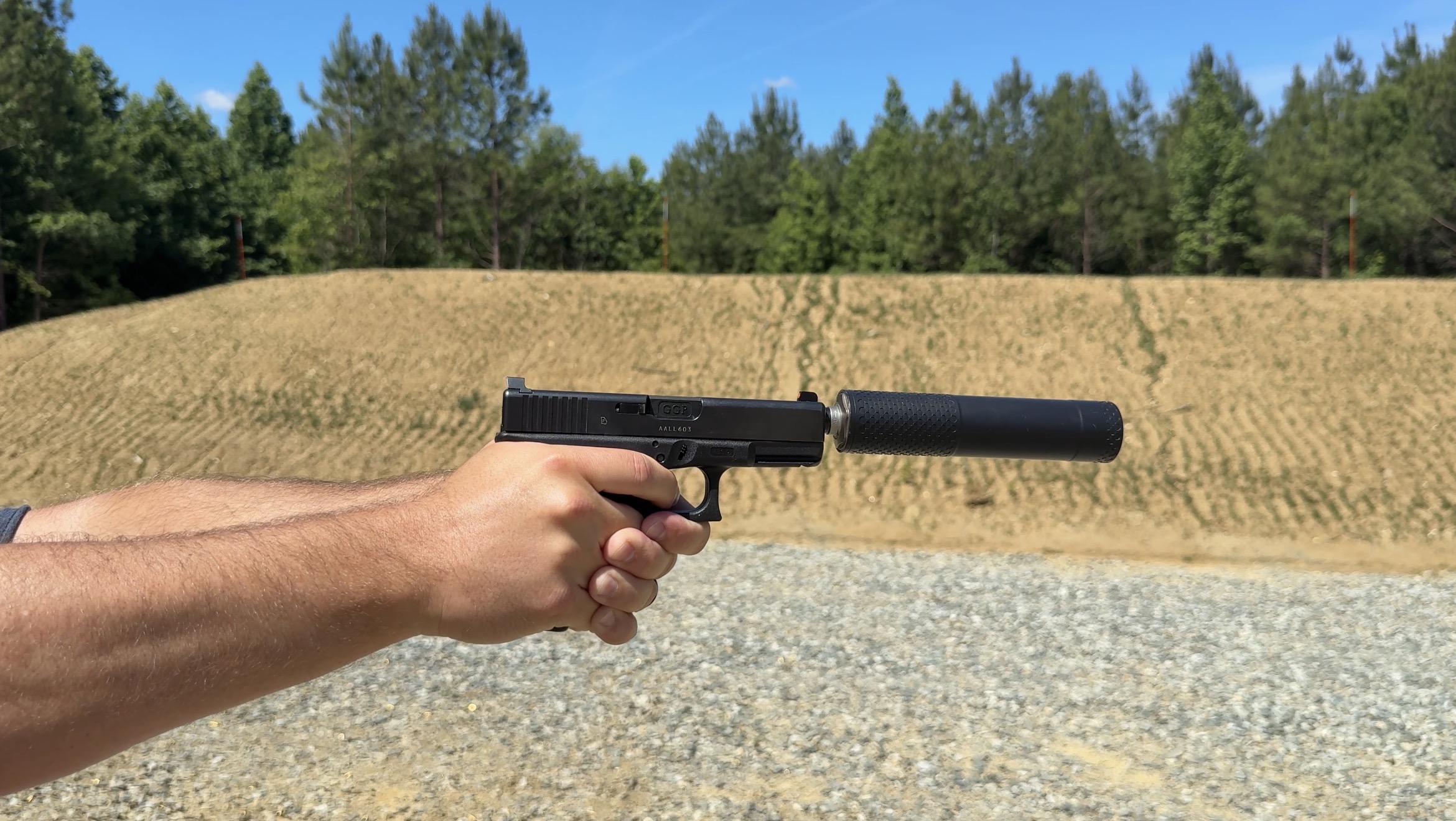
There are 57 live 9mm suppressor listings across the 18 retailers we track today, and the spread between the cheapest serviceable one and the most expensive is wide enough that "what does a 9mm can cost" has no single answer. It has a shape, though, and the shape is the useful thing.
That entry figure is the third-cheapest listing in the category, not the single lowest — the cheapest row in any catalog is usually a mispriced or long-dead listing, and quoting it would make this page wrong the day you clicked through. The number worth staring at is the distance between that entry price and the median. Half the 9mm market sits above the middle figure, which means the category has a real budget tier and a real premium tier rather than one clump with outliers.
Why the 9mm price spread is so much wider than rimfire
A .22 can is a tube, a stack of baffles and a thread. The design space is small and the material costs are low, so the whole category lives in a narrow band — our .22 LR suppressor guide covers a market where the difference between the floor and the middle is pocket change by comparison.
Pistol-caliber centerfire is a different problem. A 9mm can has to survive a locked-breech action slamming back and forth, which means most of them carry a booster assembly with a spring and a piston. It has to be short enough to shoot with, because the host is a handgun. And a growing share of them are modular, which means two configurations, more machining, and more parts that have to index reliably.
Then the same can gets sold to two different buyers. Somebody putting one on a Glock wants the shortest, lightest thing that is still hearing-safe. Somebody putting one on a pistol-caliber carbine wants length, full-auto rating and, increasingly, flow-through gas handling to keep blowback out of their face. Manufacturers charge accordingly, and that is most of why the top of what we track sits several times above the entry price.
What 9mm suppressors cost right now
Those figures pull live from retailer feeds and refresh daily, which is the entire reason this page is worth reading twice. Suppressor pricing is not stable. The same model routinely sits at meaningfully different numbers at two shops in the same week, and the dealer that is cheapest on one brand is frequently not cheapest on the next.
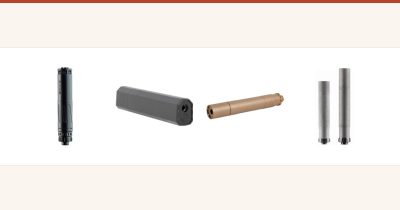
The best 9mm suppressors

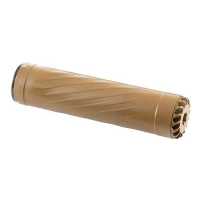
Modular stainless and aluminum, runs short or long, rated for subsonic .300 BLK
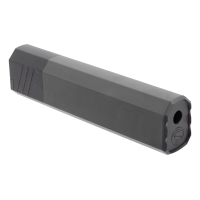
Eccentric square body that clears factory pistol sights, multi-caliber
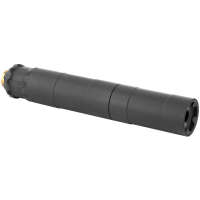
Short or long configuration, user-serviceable, lifetime warranty
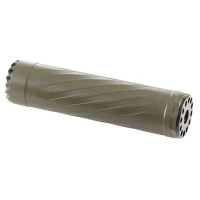
Stainless and titanium, one of the shortest full-power 9mm cans made
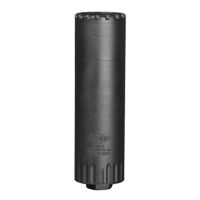
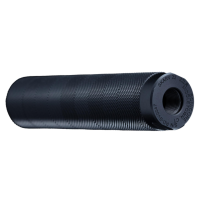
Direct-thread 9mm, sealed stainless build, anchors the bottom of the category
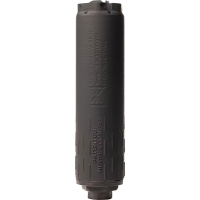
Titanium, vents gas forward instead of trapping it, cuts blowback on carbines
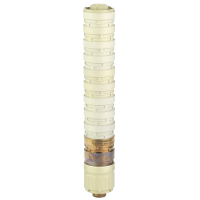
Modular tube-and-baffle stack, full-auto rated, built around fixed-barrel hosts
How to choose between them
Start with the host, because it eliminates more options than anything else on the spec sheet.
If the can is going on a tilting-barrel handgun — a Glock, a P320, a 92 — it needs a booster, and the quality of that booster is a real differentiator. A can with a reputation for reliable cycling on a full-size pistol is worth more than one that is a tenth of a decibel quieter on paper. If the can is going on a fixed-barrel host, that whole consideration evaporates and you should be buying on length, weight and gas handling instead.
Weight is the second filter, and it matters far more here than on a rifle. A rifle can disappears into the balance of the gun. A pistol can hangs off the muzzle of something you are holding in one or two hands with no stock behind it, and it changes both how the gun points and how much energy the action has left over. This is the one place in the suppressor market where paying for titanium buys something you feel every time you pick the gun up.
Modularity is the third, and it is oversold. The pitch is that one can covers a pistol and a carbine, and it is a genuinely good pitch if you actually own both. If you own one handgun and no carbine, you are paying for a configuration you will set once and never touch, in a can that is heavier than the dedicated short unit you could have bought instead. Say the trade-off out loud before you spend on it.
Serviceability is the fourth. Centerfire 9mm fouls slowly enough that a sealed can is a perfectly reasonable purchase, unlike rimfire, where taking it apart is mandatory. But if your range diet is cast lead or cheap plated bulk, a can that comes apart will age better than one that does not.
Blowback is the last, and it is the thing nobody warns first-time buyers about. Putting a suppressor on a semi-auto raises back pressure and pushes gas toward the shooter, which on a pistol-caliber carbine can be genuinely unpleasant. Flow-through designs exist specifically to address it. On a handgun the effect is milder and most people stop noticing; on a carbine, it is worth choosing for.
How much of the price difference is actually sound?
Less than the marketing implies, and this is the part of the category buyers get wrong most often.
Every sound number you will see attached to these cans is a manufacturer figure, produced under the conditions that manufacturer chose — a specific barrel length, a specific load, a microphone at a specific distance, usually following the general shape of the military test standard for impulse noise. We have not put a meter on any of these and we are not going to pretend otherwise. Two published figures from two companies are not directly comparable, and neither is measured at your ear on your host with your ammunition.
What is reliably true is that subsonic 9mm through any competently built can in this list is hearing-safe, and that the gap between the quietest can here and the loudest is smaller than the gap between two brands of ammunition through the same can. Barrel length moves the number. Ported barrels move it a lot. A wet can, briefly, moves it more than any design decision the manufacturer made.
So the premium end of this market is not selling you silence. It is selling titanium, tighter tolerances, better boosters, full-auto ratings and warranty terms. Those are real things worth real money to the right buyer. They are just not the thing most first-time buyers think they are paying for.
The paperwork, and what changed this year
A suppressor is a Title II item under the National Firearms Act. Buying one means an ATF Form 4, fingerprints, photographs, and an approval wait before the dealer can hand it over. None of that was repealed.
What did change is the cost of the stamp. The 2025 federal tax law zeroed the transfer tax on silencers effective at the start of this year, which removes what used to be the single biggest fixed cost on a budget can. That shifts the math meaningfully at the bottom of the market: the difference between the entry-priced can and a mid-tier one is now the whole difference, rather than being diluted by a flat federal charge on top of both. Confirm the current fee schedule with your dealer before you plan around it, because implementation details around the change are still settling.
State law is the harder constraint and the one nothing here can answer for you. Suppressor ownership is prohibited outright in some states and restricted in others, and those rules move. Nothing in this article is legal advice — verify your own state's current law, and your dealer's reading of it, before you put money down. The same caution applies to the hosts: if the can is destined for a short-barreled setup, our guide to the best short barrel rifles covers the second registration you will be filing.
Budget for the accessories too, because they are not trivial. Thread adapters if the can moves between hosts. A suppressor cover once you start shooting it in volume, since a hot pistol can will scorch whatever it touches. And something to carry it in — a can that lives in a range bag with a padded pocket survives better than one rattling loose against a magazine.
Frequently asked questions
Do I still need a tax stamp for a 9mm suppressor?
A suppressor is still a registered Title II item under the National Firearms Act, and buying one still means an ATF Form 4, fingerprints, photographs and an approval wait before you can take it home. What changed is the money: the 2025 federal tax law zeroed the transfer tax on silencers effective at the start of 2026. The registration requirement was not repealed with the tax. Confirm the current fee and process with your dealer before you plan around either.
Does a 9mm suppressor need a booster?
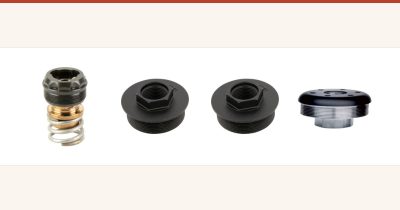
On a tilting-barrel pistol, yes. A Glock, a SIG P320, a Beretta 92 and nearly every other locked-breech handgun needs a Nielsen device — a spring-loaded piston that lets the can move independently of the barrel — or the added muzzle weight will keep the action from cycling. On a fixed-barrel host like a pistol-caliber carbine or an HK-pattern pistol, you thread the can on directly and the booster is not only unnecessary, it is wrong.
Will a 9mm can work on .300 Blackout or .350 Legend?
Only if the manufacturer rates it, and only with subsonic ammunition. Several cans here carry a subsonic .300 BLK rating because the bore diameter is close enough and the pressure at subsonic velocities is manageable. Supersonic .300 BLK through a pistol can is how you destroy baffles. Read the rating for every host cartridge you intend to shoot and treat the manufacturer's list as a hard limit rather than a suggestion.
Do 9mm suppressors have to be cleaned like rimfire cans?
Far less often, but they are not sealed-and-forget either. Jacketed 9mm fouls much more slowly than unjacketed .22 LR, so a centerfire pistol can will go thousands of rounds without complaint. Modular designs that come apart make it a non-issue. Sealed 9mm cans exist and run fine, but if you shoot a lot of cast lead or plated bulk ammunition, buy something user-serviceable.
Is titanium worth it on a pistol suppressor?
More than anywhere else in the suppressor market. A pistol can hangs its entire weight off the muzzle of a handgun with no stock to balance it, so a few ounces changes how the gun points and how hard the slide has to work. Titanium buys that weight back. It does not make the can quieter, and it usually gives up some of the abuse tolerance of a stainless design.
Can one can cover both a pistol and a carbine?
That is exactly what a modular 9mm can is for, and it is the strongest argument for buying one item instead of two. Run it long on a pistol-caliber carbine where length costs you nothing, run it short on a handgun where it does. The compromise is that a modular can is heavier and pricier than a dedicated short one, and its long configuration is rarely as quiet as a purpose-built long can.
So which one should you buy
If you want one can, one decision and no second thoughts, buy the Dead Air Wolfman. It sits near the middle of the market rather than at the top of it, it runs on tilting-barrel pistols and fixed-barrel carbines alike, and its modularity is the genuinely useful kind rather than the kind you configure once and forget.
If the budget is the constraint, the YHM R9 anchors the bottom of this category and does so without asking you to accept a design compromise you will resent. It is short, it is sealed, and it is quiet enough that nobody at the next lane will guess what it cost.
If the can is going on a carbine and staying there, buy for gas handling and length rather than for the smallest number on the spec sheet. That is where the flow-through designs earn their premium, and it is the one configuration where the extra spend produces a difference you will notice on every string of fire.
Guns & Gear HQ earns a commission when you buy through links on this page. It costs you nothing and it is what pays for the price tracking behind these numbers. We pick products on the merits and quote whatever the retailers actually charge.

Comments