Looking for the best short barrel rifle? Whether you call them SBRs, short-barreled rifles, or PDWs, these compact platforms pack rifle-caliber performance into a package short enough for vehicle work, home defense, and CQB. We put together this complete SBR guide covering 11 of the best short barrel rifles you can buy in 2026.
The Best Short Barrel Rifles
| Rifle | Caliber | Barrel | Best for | |
|---|---|---|---|---|
| Q Honey Badger | .300 BLK | 7" | Suppressed CQB | Check price |
| Sig MCX Rattler | 5.56 / .300 BLK | 5.5" | Ultra-compact PDW | Check price |
| CMMG Mk47 Banshee | 7.62×39 | 8.6" | AR ergonomics, AK mags | Check price |
| IWI Galil ACE Gen 2 | 5.56 / 7.62×39 / 5.45×39 | 8.3" | Modernized AK platform | Check price |
| Maxim Defense PDX | 5.56 / .300 BLK / 7.62×39 | 5.5" | Shortest overall length | Check price |
| CZ Bren 2 MS | 5.56 / 7.62×39 | 8–9" | Modular gas-piston SBR | Check price |
| Noveske Gen 4 Shorty | .300 BLK | 10.5" | High-end .300 BLK build | Check price |
| B&T SPC9-PDW | 9mm | 4.5" | 9mm pistol-caliber SBR | Check price |
| KRISS Vector Gen II | .45 ACP / 10mm / 9mm | 5.5" | Recoil-mitigated PCC | Check price |
| Daniel Defense MK18 | 5.56 | 10.3" | Mil-spec duty build | Check price |
| Daniel Defense DDM4 300S | .300 BLK | 10.3" | Quad-rail .300 BLK SBR | Check price |
Q Honey Badger
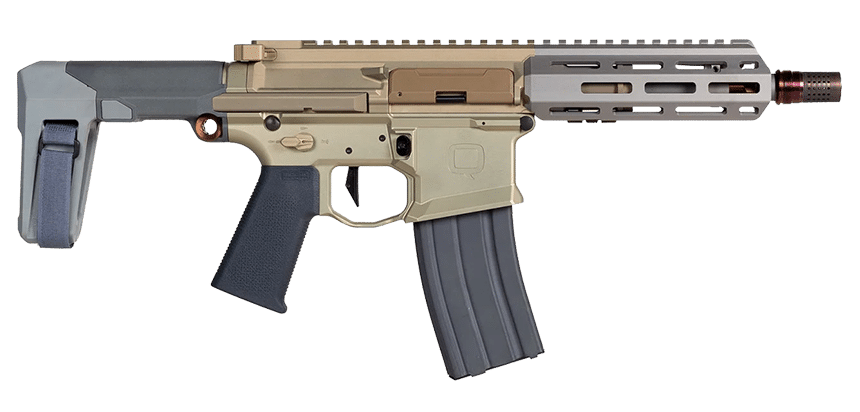
The Q Honey Badger is a highly regarded short-barreled rifle available in both braced pistol and SBR configurations. It runs a 7-inch barrel and is built around the suppressor-friendly .300 BLK, which delivers full performance from a short barrel.
The Honey Badger comes with a short two-position brace or stock that collapses to a very compact package. It is topped off with an adjustable gas block, an M-LOK handguard, and Q's own Cherry Bomb muzzle device, which mates directly to Q suppressors.
At 4 pounds 8 ounces it is light and easy to handle in CQB. The trade-off is price: the Honey Badger sits at the premium end of the market. For shooters who prioritize quality and refinement, it earns the spot.
Sig Sauer Rattler

The Sig Sauer MCX Rattler is a compact, reliable SBR offered in 5.56 and .300 BLK. With a 5.5-inch barrel and a short-stroke gas piston, it runs reliably even at that extreme length.
Because the MCX has no receiver extension, the stock or brace folds without affecting function, which makes an already short gun shorter still. The whole package weighs only 5.1 pounds.
The Rattler trims corners, grip, and stock to the minimum, making it one of the most compact SBRs on the market. The 5.56 version benefits from a suppressor to recover some of the velocity lost to the short barrel, while .300 BLK is the more natural fit for a barrel this short.
CMMG Mk47 Banshee

The CMMG Mk47 Banshee pairs AR-15 ergonomics with the availability and low cost of AK magazines. Chambered in 7.62×39, it suits short barrels and close-quarters work well.
The Banshee uses a proprietary lower that accepts AK mags with a paddle-style release, and adds an M-LOK handguard and flat-top upper. CMMG's rotary delayed blowback operation tames recoil and keeps the gun controllable.
It is priced reasonably for what it is, and the modular layout makes it a flexible, hard-running platform.
IWI Galil Ace Gen 2

The IWI Galil Ace Gen 2 is a modernized, refined take on the AK platform, offered in three calibers on an 8.3-inch barrel. Shooters can pick 5.56, 7.62×39, or 5.45×39 — the latter for lighter recoil in a short gun, 7.62×39 for cheaper ammo.
The Gen 2 brings real ergonomic upgrades: a left-side charging handle and a solid optic rail that takes a red dot easily, while still feeding from standard AK magazines. Other Gen 2 improvements include a stronger receiver, a redesigned gas block, and a lighter trigger pull.
As a short barrel rifle it shines in close quarters and home defense, putting rifle power into a compact, fun-to-shoot package. A suppressor is a natural pairing for those who want it.
Maxim Defense PDX

The Maxim Defense PDX is a top-tier CQB platform. At just 18.75 inches overall with a 5.5-inch barrel and a 5.5-pound weight, it is one of the most compact rifles in this guide. It comes in 5.56, .300 BLK, and 7.62×39, the last being the budget option for ammo.
The PDX uses Maxim's short recoil system and HATEBRAKE compensator, which cut recoil and push noise and flash away from the shooter. Ambidextrous controls and a CQB brace round out the package. In practice it is both accurate and reliable, which is what you want from a gun this short.
CZ Bren 2

The CZ Bren 2 MS is a strong pick for SBR builders who want a modern, modular rifle that accepts AR receiver extensions for a wide range of brace and stock options. Its short-stroke gas piston comes in 5.56 and 7.62×39, with 8- and 9-inch barrels.
The 7.62×39 version has its fans, while the 5.56 variant runs common AR-15 magazines. Ergonomics are excellent and ambidextrous, and the charging handle does not reciprocate.
The Bren 2 MS readily takes modern optics, lights, and accessories. Its combination of AR receiver-extension compatibility and a clean modular design is what sets it apart from others in the class.
Noveske Gen 4 300 Blackout

The Noveske Gen 4 Shorty in .300 Blackout is one of the best SBRs on the market. It pairs a 10.5-inch stainless barrel with an M-LOK handguard and a billet upper and lower machined from 7075 aluminum, giving it a high-end look and feel while staying light and accurate.
It feeds different loads reliably and runs noticeably less gassy than most short rifles. The handguard dissipates heat quickly, so it does not punish you with each round the way some SBRs do.
The Shorty handles well for home defense, hunting, and tactical use. Its compact size makes tight spaces easy, and its accuracy and reliability make it a dependable choice. Overall, it is an excellent high-end .300 BLK option.
B&T SPC9-PDW SD SBR

The B&T SPC9-PDW SD SBR is a high-quality 9mm rifle that delivers excellent maneuverability and accuracy. Its integral suppressor makes it a strong choice where stealth matters. The rifle runs a 4.5-inch barrel and a black polymer grip, and feeds from 30-round magazines.
Built with AR-style handling and ergonomics, it is easy to shoot and handle. Reliability and accuracy are excellent, and the build quality is the kind that lasts for years.
The main drawback is the price, which puts it out of reach for some buyers. For shooters who want a top-tier, suppressed 9mm SBR, the SPC9-PDW SD delivers.
KRISS Vector Gen II SBR .45 ACP

The KRISS Vector Gen II SBR in .45 ACP is a blowback-operated firearm built around the Super-V recoil mitigation system, which redirects the recoil impulse downward to keep high rates of fire controllable.
That makes the Vector ideal for shooters who want a low-recoil, compact platform with strong reliability and large magazines — the 33-round extended mag gives plenty of capacity. The 10mm version tames that cartridge's normally stout recoil to roughly 9mm levels while keeping much of its terminal performance.
The result is an accurate, reliable, and easy-handling SBR well suited to tactical and self-defense use.
Daniel Defense MK18 SBR

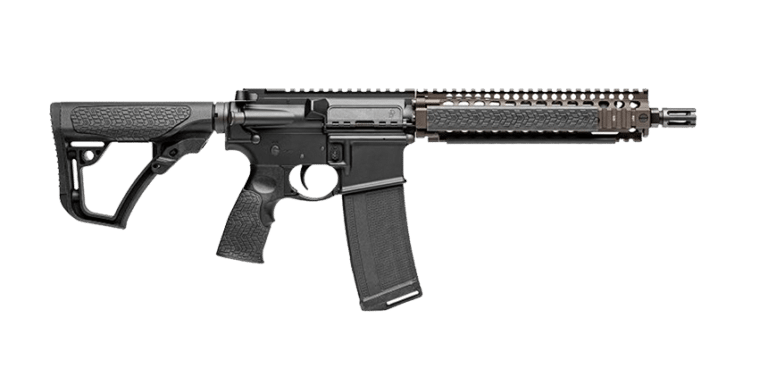
The Daniel Defense MK18 SBR is a reliable, durable 5.56 platform modeled on the duty gun used by special forces. At 5.71 pounds and 26¾ inches long, it is light and maneuverable for close-quarters work, and its Picatinny quad rail provides plenty of room for accessories such as IR systems.
The 10.3-inch government-profile barrel and direct-impingement, semi-automatic action make it accurate and dependable. It is louder unsuppressed and gassier when suppressed, as most short 5.56 guns are, but it remains a top-tier duty-grade rifle for shooters who want a proven build.
Daniel Defense DDM4 300S SBR

The Daniel Defense DDM4 300S SBR is a high-quality rifle chambered in .300 Blackout — purpose-built for short barrels and suppressor use — and ships with a 30-round magazine. It weighs 5.71 pounds with an overall length of 26¾ inches.
It rides on a Picatinny quad rail, which is more robust than M-LOK at the cost of a little extra weight. That makes it a natural pick for anyone who specifically wants a quad-rail handguard on their SBR. The build quality is high and the price is reasonable for the category, so it works well as an entry into the .300 BLK SBR world.
The trade-offs are predictable for the platform: it is loud unsuppressed, gassy when suppressed, and a touch heavier than most SBRs. Some shooters call the 300S dated, but it remains a dependable, hard-running rifle that holds up when you need it.
What are the benefits of using a short barrel rifle?
Enhanced Mobility
A short barrel rifle is far easier to move with than a full-length rifle, which matters most in tactical and defensive situations. SBRs are lighter and more compact, so they maneuver well in tight spaces and close quarters — a real advantage in vehicles and inside structures where a long gun fights you.
The shorter barrel also trims overall weight, making the gun more comfortable to carry for long stretches, and the compact size makes storage and transport simpler. Taken together, that translates to more flexibility and faster handling across a range of scenarios.
Increased Concealment
Short barrel rifles, including AR pistols and registered SBRs, are popular in part because they are easy to keep low-profile. Their compact, maneuverable size suits tight spaces, and discreet SBR cases make transport and storage less conspicuous.
Muzzle devices such as brakes and flash hiders further tune how the gun behaves, helping manage flash and recoil in a short package. For owners who value a compact, easily stowed rifle, these traits are a big part of the appeal.
Improved Comfort
A short barrel rifle can be more comfortable to shoot and carry than a full-size rifle, largely because of its reduced weight and length. With less mass hanging off the muzzle, the gun is easier to hold on target and less tiring to carry or maneuver over a long day.
Adding a suppressor also makes a short rifle more pleasant to run, cutting felt blast and report. Combined with adjustable braces and stocks that let shooters dial in length of pull, an SBR can be set up to fit the individual shooter and reduce fatigue.
Easier Use
Short barrel rifles are easier to use in confined spaces — inside buildings or vehicles — where a longer gun is cumbersome. The shorter package also allows a quicker presentation and faster target acquisition, which is exactly what you want in a defensive situation.
Because most SBRs chamber centerfire rifle cartridges, they bring more hitting power and reach than a pistol-caliber gun while staying compact. That versatility is what makes the short barrel rifle a practical tool where a full-size rifle would be impractical.
What to consider when buying a short barrel rifle?
Caliber
Caliber drives much of an SBR's performance and fit for purpose. The most common chamberings are rifle calibers — 5.56mm, 7.62×39, and .300 Blackout — which offer more velocity and reach than pistol calibers, at the cost of more recoil and muzzle blast in close quarters.
The right pick depends on intended use. For home defense and CQB, 5.56 or .300 Blackout in a short barrel make sense; .300 BLK in particular is engineered to give full performance from a 7-to-9-inch barrel and pairs naturally with a suppressor. Pistol calibers like 9mm and .45 ACP are options where lower blast and recoil matter more than reach.
Barrel length
Barrel length is a core consideration with an SBR. A barrel under 16 inches makes the gun more maneuverable in tight spaces — good for home defense and CQB — but a shorter barrel also costs some velocity and accuracy and adds noise and recoil.
Remember that any rifle with a barrel under 16 inches (or an overall length under 26 inches) is an SBR under the National Firearms Act, which means ATF registration and a $200 tax stamp via a Form 1 (build) or Form 4 (transfer). Weigh the handling benefits of a shorter barrel against the ballistic trade-offs and the legal steps before you buy or build.
SBR barrels come in several profiles, each with its own balance of weight, accuracy, and handling:
- Standard profile: the most common choice, with a good balance of weight and accuracy for general use.
- Heavy profile: more mass for stability and sustained accuracy, but harder to maneuver in tight spaces.
- Lightweight profile: easier to swing and carry, at some cost to accuracy and heat tolerance.
- Fluted: flutes cut weight and add cooling surface area while preserving rigidity.
- Bull barrel: thick and heavy for maximum stability and accuracy, least maneuverable of the group.
Action and Mechanism
The action type matters when choosing an SBR. The vast majority of SBRs are semi-automatic — they use the energy of each shot to eject the spent case and chamber the next round, which gives the fast follow-up shots most defensive and range shooters want. Bolt-action and lever-action SBRs exist but are niche, generally chosen for hunting or specialty roles.
Match the action to your use, then weigh accuracy, reliability, and rate of fire. Buy from a reputable manufacturer and make sure any short-barreled build meets NFA requirements before you take possession.
Sights and Optics
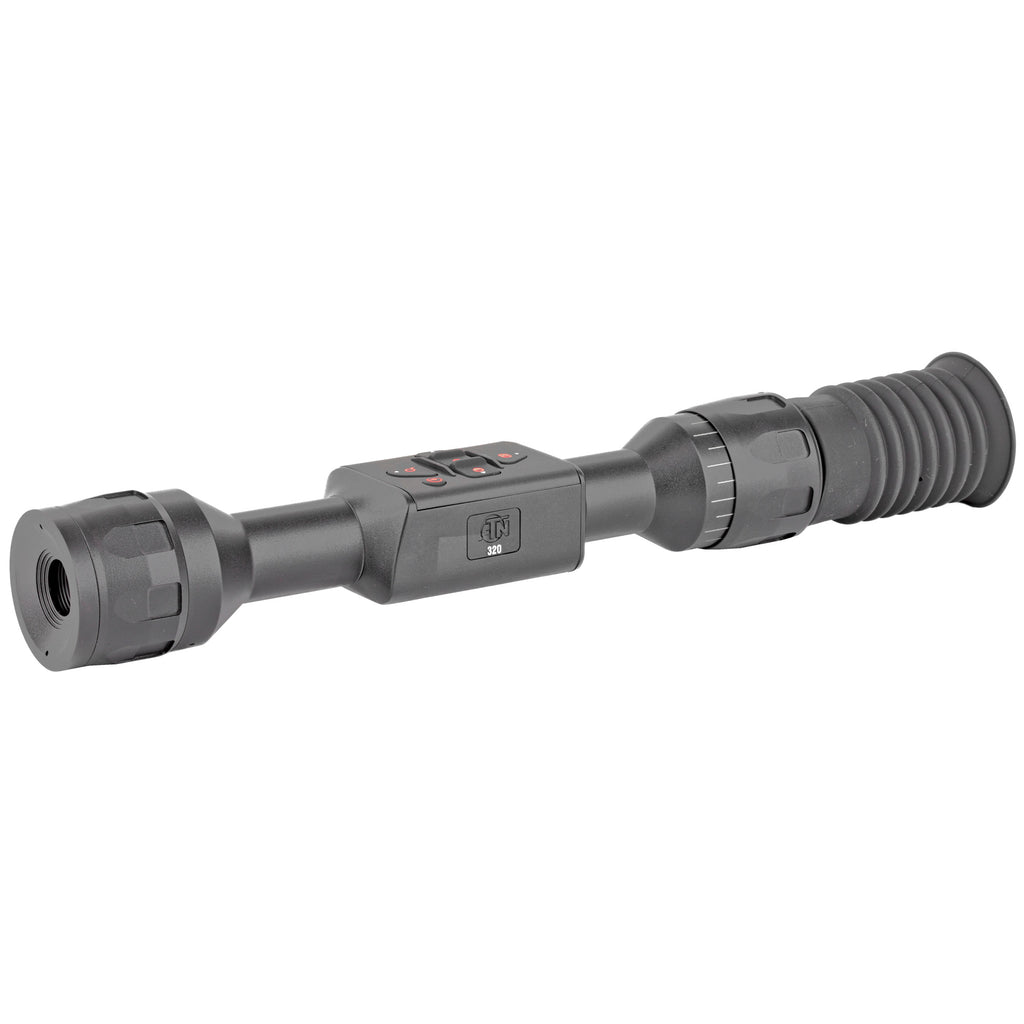
Choosing the right optic is crucial on a short barrel rifle. Red dot sights and holographic sights are ideal for close range and fast target acquisition — they are light, easy to use, and well suited to maneuvering in tight spaces.
Magnified optics suit longer ranges, offering a clearer sight picture and more precise aiming, but they add weight and bulk. For most SBR use, a red dot or holographic sight is the better fit because speed in close quarters matters more than magnification.
Whatever you choose, mount it on a solid rail and confirm it suits the rifle's intended role. A folding backup iron sight is cheap insurance behind a red dot.
Stock
The stock or brace is an important fit consideration. Fixed stocks offer stability and durability but less adjustability; collapsible stocks add versatility and pack down for transport at some cost to rigidity; adjustable stocks let you tune length of pull and cheek height at a higher price.
Buttstock families like the A2, A3, and Magpul lines each bring their own ergonomics — the Magpul options in particular are popular for their adjustability and feel. Match the choice to your shooting: a more rigid setup for precision, a collapsible one for tight, dynamic spaces.
Trigger
A good trigger meaningfully improves accuracy and shootability. Look for a smooth, consistent pull with minimal creep and overtravel. A lighter pull can help precision, but not so light that it compromises safety — many shooters favor a two-stage trigger for its predictable break.
Triggers with adjustable pull weight and travel let you tune the gun to your preference. A quality trigger reduces fatigue over extended shooting and is one of the best upgrades you can make to an SBR.
Gas Systems
SBRs run either direct impingement or a gas piston. Direct impingement, common on AR-pattern guns, routes gas back to cycle the action; it is simple and easy to maintain but can run the gun over-gassed, especially when short and suppressed. An adjustable gas block helps tame that.
Piston systems, common on AK-pattern guns, vent excess gas early in the cycle. They add parts but run cleaner and often with a softer impulse. Both can be reliable — the choice comes down to whether you value simplicity or cleaner, lower-recoil operation.
Accessory Rail
An accessory rail expands what an SBR can do. Quad rails and free-float handguards with a top 1913 rail let you mount lights, lasers, grips, and optics, which improves both customization and real-world effectiveness.
M-LOK and KeyMod free-float handguards keep weight down while still allowing accessories where you need them. When choosing a rail, match it to the rifle's role and the gear you actually plan to run.
Reliability and Durability
Reliability and durability should sit near the top of the list. Material quality and manufacturing standards largely determine how a gun holds up, so favor solid construction and quality components from a maker with a track record.
Maintenance matters too: clean after use, inspect for wear or damage, and replace worn parts before they fail. A well-built SBR that is properly cared for will run when you need it.
Budget and Price
Set a budget around the caliber, brand, and features that matter to you. Doing so before you start shopping narrows the field and helps you find a quality rifle in range. Remember to account for the $200 NFA tax stamp and the paperwork that comes with any short-barreled build or transfer.
Favor reputable brands and prioritize the features your intended use actually requires — a solid rail system or an adjustable gas block, for instance — rather than flashy extras you will not use. With a little research you can land a quality SBR within budget.
Speaking of budget, read our budget gun cases guide to save money on your case.
Weight and Balance
Weight and balance shape how an SBR handles. Hanging a suppressor off a 16-inch barrel adds mass well forward of the hands and can throw off balance and accuracy. On a short barrel, that same suppressor sits closer to the shooter, keeping the gun better balanced and easier to maneuver.
There is a trade-off in heft, too: a heavier rifle is steadier but slower to move, while a lighter one is quick to handle but can be harder to hold steady when firing. Choose a weight and balance that match how you plan to use the gun.
Self-defense and hunting
Short barrel rifles are a strong choice for both self-defense and hunting thanks to their compact size and handling. In a home or in close-range hunting, the SBR's mobility and ease of use pay off, and rifle-caliber ballistics give it an edge over pistol-caliber options where accuracy and stopping power matter.
SBRs are also natural suppressor hosts. A full-length suppressor on a long-barrel rifle can make the gun unwieldy, but on a short barrel the added length is manageable, preserving balance and accuracy. A 7.62×39 SBR like the CMMG Banshee Mk47 works well for home defense, while a .300 Blackout SBR is a fine pick for brush hunting and suppressed use.
Across the board, the advantages for defense and hunting come down to mobility, solid ballistics, and easy suppressor use.
FAQ
What is a short barrel rifle?
A short barrel rifle, or SBR, is a rifle with a barrel length under 16 inches or an overall length under 26 inches. It is regulated under the National Firearms Act and requires ATF registration plus a $200 tax stamp. The ATF defines a rifle as a shoulder-fired firearm with a rifled bore that fires a single projectile with each trigger pull.
Are short-barrel rifles legal?
Yes, in most states. SBRs are federally legal once registered with the ATF — on a Form 1 to build or a Form 4 to transfer — and the $200 NFA tax stamp is paid. A handful of states ban civilian SBR ownership outright, so check your state law before buying or building.
What are the top 5 short barrel rifles?
- CMMG Banshee Mk47 — a 7.62×39 SBR that runs clean for the class, feeds reliably, and offers AR ergonomics with AK magazines. It can be pricey and the trigger is just okay.
- Noveske Gen 4 Shorty — a high-end .300 BLK build with a 10.5-inch barrel, excellent materials, and a refined fit and finish. The main downside is cost.
- Daniel Defense MK18 — a 10.3-inch 5.56 duty build that shoots well and stays compact for cramped spaces, on a SOCOM-pattern rail. Premium price.
- LWRCI M6IC-A5 SBR — a piston-driven AR with a 10.5-inch barrel and a modular rail. Low recoil impulse and reliable, but expensive and on the heavier side at about 7 pounds.
- Sig Sauer MCX Rattler — a 5.5-inch barrel makes it one of the shortest here: compact, light, and ideal for CQB and home defense, with a folding stock and modular design. It is pricey and loud given the barrel.
What is a pistol brace and how does it affect a short barrel rifle?
A pistol brace is a forearm-stabilizing attachment that lets a shooter fire a pistol-configured firearm one-handed with more stability. It is not a stock, and a braced pistol is not the same thing as a short barrel rifle.
The ATF's 2023 final rule that tried to reclassify most braced pistols as SBRs was vacated nationwide by the Fifth Circuit in Mock v. Garland in 2024, and the Department of Justice dropped its appeals in 2025. As of 2026, the rule is unenforceable and braced pistols are once again legal as configured — no NFA registration required for the brace itself.
However, the ATF has signaled in 2026 court filings that it still claims case-by-case discretion to classify a specific braced pistol as an unregistered SBR if the agency decides the configuration goes beyond intended use. That risk is small for the average owner, but it isn't zero. If you want to remove all ambiguity, the cleanest path is to either run the firearm as a true pistol with the manufacturer's intended brace, or pay the $200 stamp and register it as an SBR.
What is the process to acquire a short barrel rifle?
You can either buy a complete SBR from a dealer and transfer it on an ATF Form 4, or build one yourself by filing a Form 1 and getting approval before installing the short barrel. Either path requires fingerprints, a photograph, the $200 NFA tax, and ATF approval.
After submitting, you wait for approval before taking possession. Modern eForm filings often clear in a matter of weeks to a few months, though paper filings can run longer. Possessing an unregistered SBR is a serious federal crime, so complete the process before assembling the gun.
What calibers are available for short barrel rifles?
SBRs typically run rifle calibers, with some pistol-caliber exceptions. The most popular are .223/5.56mm, 7.62×39, and .300 Blackout, which balance accuracy, power, and controllability in a compact package. Pistol calibers like 9mm and .45 ACP are less common but valued for lower blast and recoil. The right choice comes down to intended use and preference.
How much does a short barrel rifle cost?
Cost varies widely with manufacturer, materials, and features. Entry-level AR-style SBRs start in the low four figures, while premium models from Q, Sig, Daniel Defense, Maxim Defense, and B&T run well higher. Remember to add the $200 NFA tax stamp on top of the firearm price, plus the paperwork that comes with NFA registration.
What are the best accessories for a short barrel rifle?
A few accessories round out an SBR. A tactical light is essential for low-light identification and target acquisition, and a quality sling makes the rifle easier to carry and secure on the move.
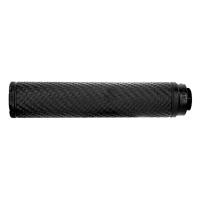
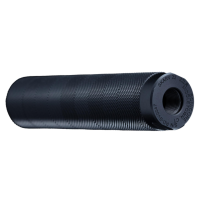
A good optic — a red dot or even a low power variable optic — makes the gun far easier to run. And because short barrel rifles are excellent suppressor hosts, a silencer plus a suppressor cover completes the setup.
What are the benefits of a short barrel rifle compared to other firearms?
Against a full-length rifle, an SBR offers greater mobility and maneuverability in tight spaces, which suits home defense and close-quarters work. It also suppresses better: a full-length rifle becomes unbalanced with a can on the muzzle, whereas a short barrel rifle can be suppressed without giving up balance or accuracy.
Are there any restrictions on the use of short barrel rifles?
Yes. SBRs are regulated under the National Firearms Act and require registration plus a $200 tax stamp. They are defined as rifles with a barrel under 16 inches or an overall length under 26 inches, and any weapon made from a rifle that meets those specs is treated the same way. Federal law requires ATF registration, and state laws may add further restrictions, so check local regulations before you buy or build.
Comments