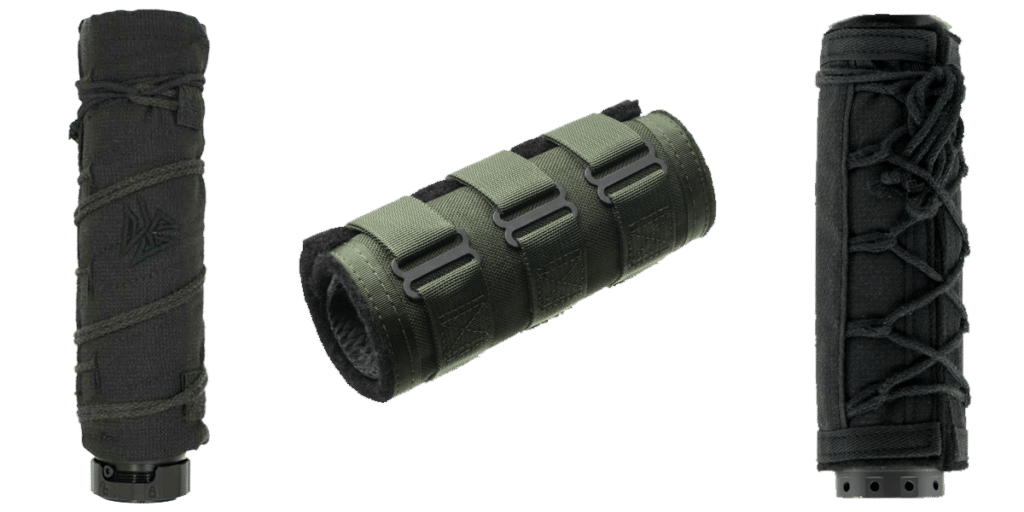
A suppressor cover is the cheapest thing you will buy for a can you waited months to take home, and it is the part most people end up buying twice. The first one gets chosen on price, gets run harder than it was built for, and comes off the tube smelling like a house fire. The second one gets chosen on heat rating.
That block covers the whole accessory shelf, mounts and boosters included, which is worth saying out loud because it drags the bottom of the range below what any actual cover sells for. Filtering to covers alone, the third-cheapest listing we track sits at about thirty-five dollars, and that is the honest floor for this category. The spread above it is not padding. It is the difference between a nylon sleeve and a Kevlar wrap.
What a cover does, and the one thing it does not
A cover manages heat. It keeps a hot tube off your support hand, off a shooting bag, off the bipod, and off whatever the rifle gets set down on. That is the whole mechanical job.
It does not make the suppressor quieter. Sound reduction happens inside the baffle stack where expanding gas gets slowed and cooled, and a wrap on the outside of the tube has no access to that. If a product page leads with decibels, it is describing the can, not the cover.
The second real benefit is mirage. A suppressor coming up to temperature sheds a column of hot air straight through your line of sight, and on a magnified optic it turns a crisp reticle into something swimming. Shooters running glass on a rifle already know the feeling from a hot barrel. Adding a can puts a second heat source directly under the sight line, and a cover is the only thing that meaningfully interrupts it. That is why cover attach rates are so much higher on precision rifles than on carbines, and why it matters more with a .30 caliber can hanging off a bolt gun than with a rimfire host.
Heat rating is the only spec that separates these
Everything in this category is fabric wrapped around insulation, secured with either laces or bungee. The materials are where the money goes.
At the bottom, you get heat-resistant nylon over a thin insulating layer. It will keep you from grabbing a hot tube, and it will cut mirage on a few slow strings. Run it through rapid fire and it will scorch.
In the middle sit the high-temperature builds: woven fiberglass or a Python-style core dipped in high-temp silicone, wrapped in Cordura. Cole-TAC's HTP line is the reference point here, and it is the one to buy if you are only buying one. It handles a genuinely hot string about as well as a soft cover can.
At the top, Burn Proof Gear builds in Kevlar and Nomex with Kevlar bungee retention, and describes the Heavy as suitable for full-auto use. Our catalog carries thirty-one Burn Proof listings and they start at a hundred and seventy-five dollars, which is roughly double the category median and puts them in a different conversation from everything else on the shelf. Whether that is worth it comes down to one question: are you actually generating that heat? A hunter who fires three rounds a season is buying insulation they will never load. A carbine shooter running drills is buying the only thing that will survive the year.
Say the trade-off plainly. The heavier the wrap, the more bulk it adds to the can, the more it holds heat against the tube after you stop shooting, and the longer it takes to cool. There is no cover that is simultaneously the thinnest and the most heat-tolerant.
Sizing is where most people get it wrong
Covers are sold by tube diameter and length, not by caliber. Measure the diameter of your can and the length of exposed tube behind the end cap, then buy to those two numbers. Most of the market runs in fixed lengths from about five inches up through nine, and the common failure is buying long: a wrap that overruns the tube bunches at the mount, works itself loose under recoil, and stops sitting flat where you need it.
This is also why a wrap that fits one can will not automatically fit the next one. If you are running a multi-caliber can across several hosts, the cover follows the can and you are fine. If you own separate dedicated cans, you are buying separate covers, and that is worth factoring in before you decide a dedicated setup is cheaper than one versatile can.
Retention style matters less than people think, but it is not nothing. Laced covers cinch tighter and stay put on a tapered tube. Bungee systems are faster on and off, which you will appreciate the first time you need the can in a case and the cover is still too hot to handle.
A cover is a consumable, not a lifetime part
This is the expectation most buyers get wrong, and it is why the budget tier is a trap for anyone shooting volume. A wrap is an insulating material being repeatedly driven to the edge of what it can take. It degrades. The Cordura or nylon shell discolours and eventually chars at the muzzle end, the core compresses where the laces or bungee pull tightest, and the whole thing slowly loses the loft that was doing the insulating in the first place.
A high-temperature cover on a rifle that gets shot a few times a month will last years. The same cover on a carbine running drills every week is an annual purchase. That changes the arithmetic considerably: a wrap in the sixty to ninety dollar band bought once every couple of years is cheaper in practice than a thirty-five dollar sleeve replaced every few months, and it is not close.
Two habits extend the life of any of them. Let the cover cool on the can rather than stripping it hot, which is also the safer option for your hands. And keep it dry in storage, because a damp wrap left cinched on a tube traps moisture against the finish, which is a corrosion problem rather than a heat one.
Pistol cans have a different problem
Everything above assumes a rifle. Hang a can off a pistol and the calculus shifts, because the heat is lower, the sight line is much closer to the tube, and the can is far more likely to be handled immediately after shooting. Mirage through iron sights or a slide-mounted dot is less of an issue than it is through magnification, so the case for a cover on a 9mm can usually comes down to handling rather than sight picture.
Diameter is also the constraint. Pistol cans run slim, and a heavy rifle wrap can add enough bulk to foul a holster or interfere with the sight channel on a taller set of suppressor-height sights. This is the one place where the skinny covers are not a compromise but the correct answer.
Where the money actually goes on this shelf
Fifteen retailers carry stock in this category across the listings we track, and the brand concentration tells you something about the market. Rugged Suppressors accounts for sixty-one of those listings, though much of that count is mounts rather than wraps. On the cover side, Cole-TAC runs nineteen listings starting around sixty dollars, Rifles Only eleven starting at sixty, Yankee Hill ten starting in the low sixties, and Armageddon Gear six that all sit just under ninety.
The practical read: there is a broad, well-supplied middle between roughly sixty and ninety dollars where most of the genuinely good covers live, a thin budget tier below it, and a small premium tier above it that exists almost entirely for people running guns hot. Most shooters are correctly served by the middle.
Which cover belongs on your can
Match the wrap to the way the host actually gets used.
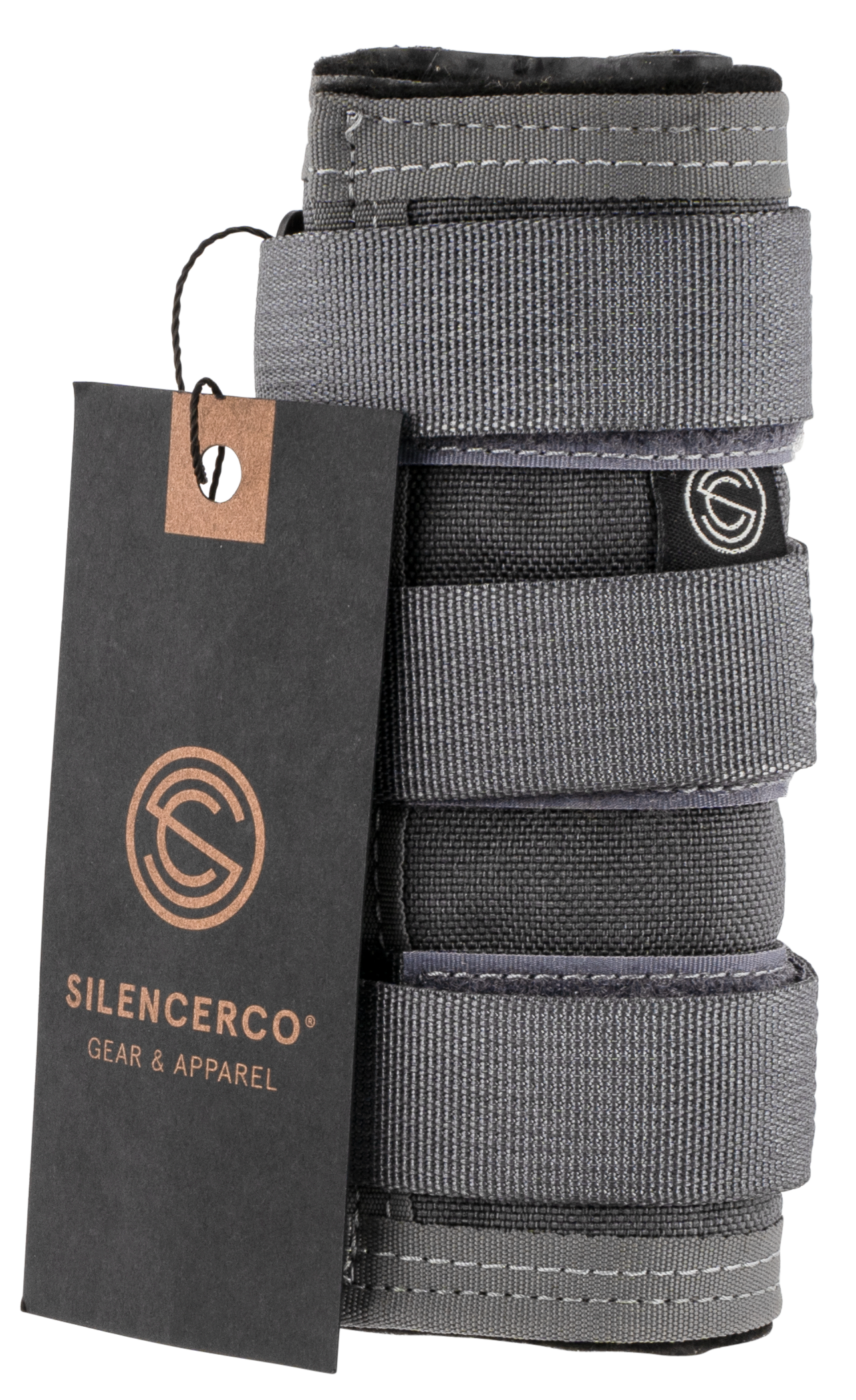
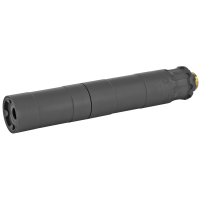
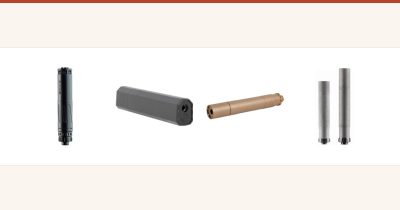
Maker-sized wrap offered in the lengths SilencerCo builds cans in
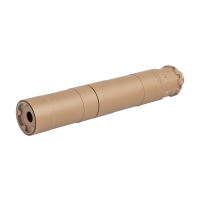
Sized wraps offered in several lengths for YHM tubes
A precision bolt gun wants the thinnest cover that kills mirage, because bulk near the muzzle affects how the rifle sits in a bag. Armageddon Gear and the Rifles Only Skinny are both cut for this.
A duty or training carbine wants heat tolerance first and accepts the bulk. This is where Burn Proof Gear earns the premium, and where a budget nylon wrap will not last.
A hunting rifle wants whatever is cheapest that still cuts mirage, because the round count is low and the cover spends most of its life not being shot over. The budget tier is genuinely fine here.
A 5.56 carbine sits between the first two. If it is a range gun, mid-tier. If it runs drills, buy up.
A rimfire can barely needs one. The heat is not there, and the money is better spent elsewhere.
Buy the cover before you have the can
The one piece of timing advice worth giving: order the cover while the suppressor is still in transfer. A can bought today spends a long stretch in federal processing before you can take it home, and the Form 4 process is the long pole in that schedule. The cover is not a regulated item, needs no paperwork, and can be waiting on the bench when the call comes.
Worth a standing caution: federal law governs the transfer of the suppressor itself, and state law on whether you can own or hunt with one varies and changes. Check your own state before you buy the can. The cover is not the part anyone regulates.
Frequently asked questions
Does a suppressor cover make the can quieter?
No. Sound reduction happens inside the baffle stack, where expanding gas is slowed and cooled. A cover sits on the outside of the tube and does nothing to the gas path. Anyone selling a wrap on decibel reduction is selling you something the product does not do.
Do I need a tax stamp or any paperwork to buy a cover?
No. A cover is a piece of fabric and insulation, not a regulated part, so it ships to your door like any other accessory. The suppressor underneath it is the item that requires a federal transfer and the wait that comes with it.
Will a cover damage my suppressor?
A correctly sized high-temperature cover will not. The failure case is a cover rated for less heat than you are putting into it, which can scorch, shrink and bond to the tube finish. Match the cover to how you actually shoot, not to the lowest price on the shelf.
How do I size a cover to my can?
Measure the tube diameter and the length of exposed tube behind the end cap, then buy the wrap that matches both. Most covers in this category are sold in fixed lengths from roughly five inches up to nine or more, and a wrap that runs long will bunch at the mount rather than lie flat.
Can I leave a cover on a hot suppressor after shooting?
Yes, and it is usually better to. Pulling a wrap off a hot can exposes a surface that will still scorch whatever it touches, and it puts your hands next to the hottest part of the rifle. Let it cool with the cover in place, then remove it if you are storing the can.
Do covers work on rimfire suppressors?
They exist in the short lengths rimfire cans use, but the need is much smaller. A rimfire host does not build the kind of heat that produces sight-blurring mirage or a scorched support hand, so a cover there is mostly about keeping a hot can off a bag or a bench.
Guns & Gear HQ earns a commission when you buy through links on this page. It costs you nothing and it is what pays for the price tracking behind these numbers. We pick products on the merits and quote whatever the retailers actually charge.

Comments