A rimfire can is the cheapest way through the National Firearms Act paperwork, and it is the one suppressor almost everybody who owns one ends up shooting the most. The stamp costs the same $200 it costs on a .338 magnum can, but the hardware underneath it does not.
That entry figure is the third-cheapest listing we can find across every retailer we track, not the single lowest — the cheapest listing in any category is usually a mispriced or bait entry, and quoting it would make this page wrong. The useful takeaway is the gap between where the category starts and where the median sits. There is roughly $150 of daylight between a serviceable budget can and the middle of the market, which is a smaller spread than any centerfire category on this site.
What makes a rimfire can different
Every dedicated .22 suppressor on this list comes apart, and that is not a convenience feature. It is the defining constraint of the category.
Rimfire ammunition is filthy. The powder burns dirty, the bullets are unjacketed lead, and the residue goes straight into the baffle stack. A sealed centerfire can shooting jacketed bullets can run for thousands of rounds without attention. A sealed rimfire can would eventually cement itself shut. So rimfire designs are user-serviceable: the tube unscrews, the baffles come out in a stack, and you clean them.
This changes what you should look for. Ease of disassembly matters more than it does anywhere else in the suppressor market, because you will be doing it regularly for as long as you own the can. A design that requires a press and a heat gun to service is a design you will stop servicing.
The second thing that separates rimfire cans is host flexibility. Many are rated well beyond .22 LR — .22 Magnum, .17 HMR, and in some cases 5.7x28mm. Those ratings are worth reading carefully, because they are not interchangeable between models and the pressure differences are real.
What .22 suppressors cost right now
Prices above are pulled live from retailer feeds and refresh daily. Rimfire is the least volatile suppressor category we track, largely because the designs are mature and the materials are cheap relative to a titanium centerfire can.
The best .22 LR suppressors
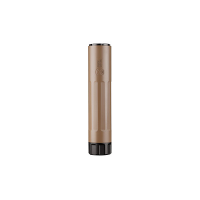
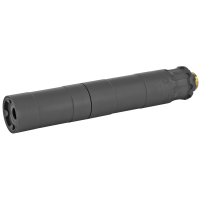
Titanium and stainless, fully user-serviceable, rated to 5.7x28mm
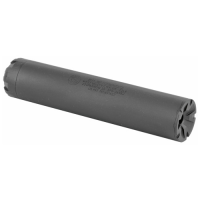
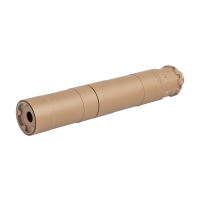
Stainless steel, multi-caliber rimfire, takes apart without tools
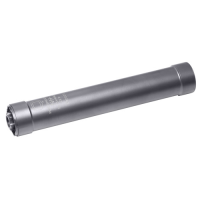
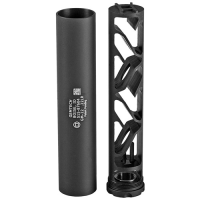
Aluminum, direct thread, the long-standing price floor of the category
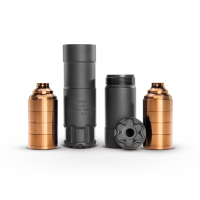
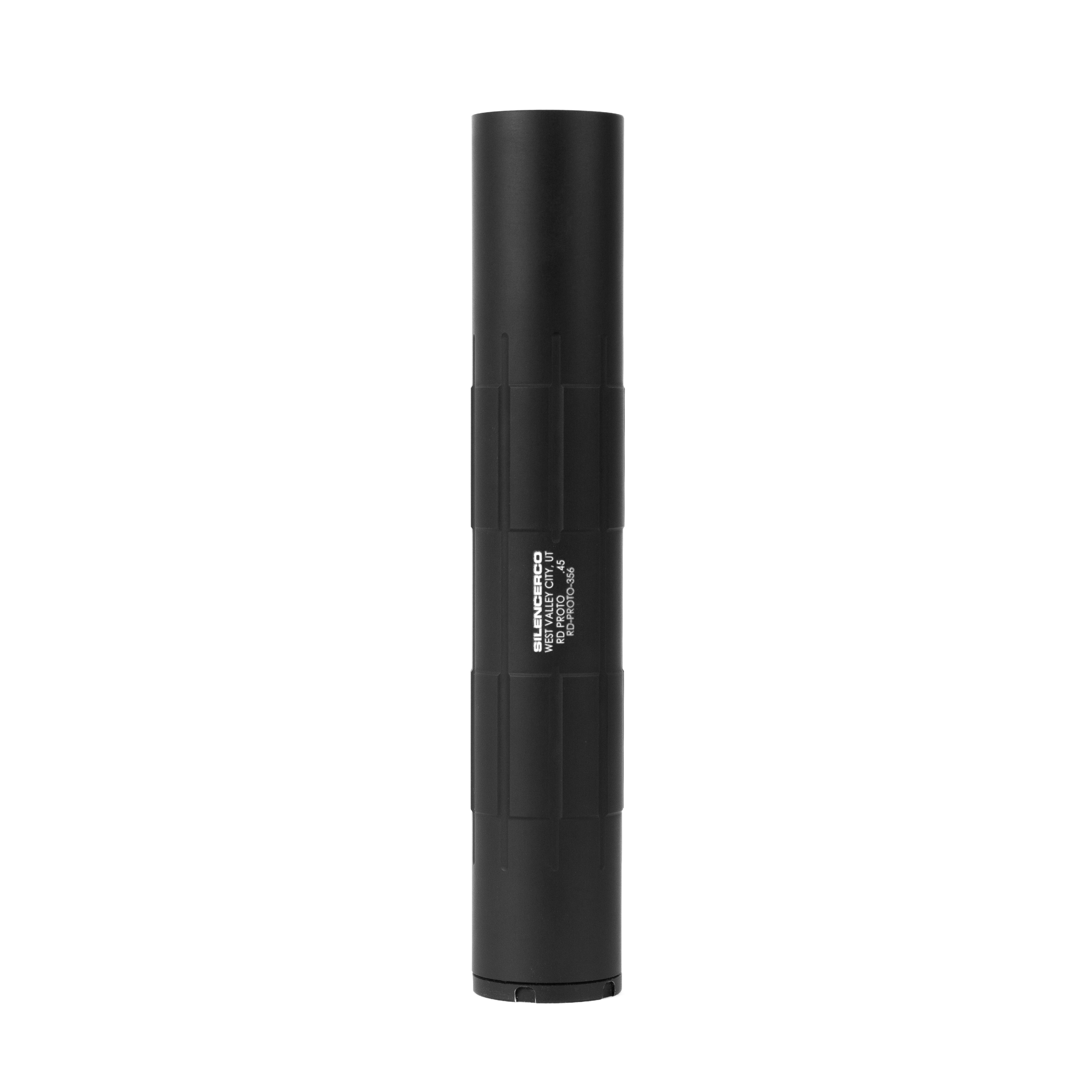
Runs short or long, user-serviceable, rated to .22 Magnum
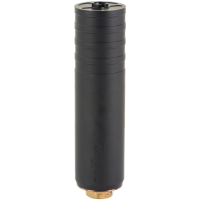
Titanium tube, adjustable baffle stack
How to choose between them
The honest answer is that the performance spread in this category is narrow. Every can here is hearing-safe on subsonic ammunition from a rifle, and the difference between the quietest and the loudest of them is smaller than the difference between two brands of ammunition through the same can. Choose on the things that actually vary.
Weight is the first. On a rifle, a few ounces at the muzzle disappear into the balance of the gun and you will not notice. On a pistol — a Ruger Mark IV, a Victory, a suppressed Glock 44 — every ounce hangs off the end and changes how the gun points. That is where titanium earns its premium and nowhere else.
Serviceability is the second, and it is the one people underweight when buying. Ask how the baffles come apart, whether it needs tools, and whether the stack indexes only one way. You are signing up to do this for the life of the can.
Host rating is the third. If the only thing you will ever shoot through it is .22 LR, ignore this entirely and buy on the first two. If there is a .22 Magnum rifle or a 5.7 pistol in your safe, the rating narrows the field quickly and it is not negotiable.
Length is the last, and it matters less than the specification sheet implies. A longer can is generally quieter, but on a rimfire host the difference between a short configuration and a long one is small enough that handling usually wins.
Buying one, and what it costs beyond the can
The purchase itself is the easy part. The transfer is not.
A suppressor is a Title II item under the National Firearms Act. Buying one means an ATF Form 4, fingerprints, photographs, notification to your chief law enforcement officer, and a $200 transfer tax, and then a wait before you can take possession. Approval times have moved around considerably in recent years, so treat any specific figure you read as a snapshot rather than a promise.
Suppressor ownership is also prohibited outright in a number of states and restricted in others, and those rules change. Nothing here is legal advice: confirm your own state's current law, and your dealer's, before you put money down. Our walkthrough of the process is worth reading before you start the paperwork rather than after.
Budget for two things people forget. The first is the stamp itself, which is a flat $200 regardless of what the can costs — meaning it represents a much larger share of a rimfire purchase than a centerfire one. The second is the mount. Most rimfire cans are direct thread, which is simple and cheap, but if you plan to move the can between hosts you will want thread adapters, and a can that spends its life on a rifle will eventually want a suppressor cover once you start shooting it in volume.
If you are working out where a rimfire can fits alongside a centerfire setup, our guide to the best 9mm suppressors covers the other end of the pistol-caliber market, and the best short barrel rifles roundup covers the hosts that most often end up wearing one.
Frequently asked questions
Do I need a tax stamp for a .22 LR suppressor?
Yes. A rimfire suppressor is a silencer under the National Firearms Act, exactly like a centerfire one, and it requires an approved ATF Form 4 and a $200 transfer tax before you can take it home. The can costs less than a .30 caliber unit, but the stamp costs the same. Suppressor ownership is also barred outright in some states, so verify your own state law before you buy.
Why do rimfire suppressors come apart when centerfire cans do not?
Unburned powder and lead fouling from .22 LR builds up inside the baffle stack much faster than it does with jacketed centerfire ammunition. A sealed rifle can would eventually clog solid. User-serviceable rimfire designs let you strip the baffles and clean them, which is why nearly every dedicated .22 can on the market takes apart.
How often does a .22 suppressor need cleaning?
Most manufacturers suggest servicing somewhere in the range of a few hundred to a couple of thousand rounds, depending on the design and how dirty your ammunition burns. Standard-velocity bulk ammunition fouls faster than premium match loads. If the can starts sounding louder or the baffles resist coming apart, you have waited too long.
Will a .22 LR suppressor work on a .22 Magnum or 5.7?
Only if the manufacturer rates it for that cartridge, and many do not. Rimfire magnum and 5.7x28mm run at meaningfully higher pressure and velocity than .22 LR. Running them through a can that is not rated for it risks damaging the baffles or worse. Check the manufacturer's rating for every host cartridge you intend to shoot.
Are titanium rimfire cans worth the extra money?
Titanium buys you weight savings, which matters most on a pistol where every ounce hangs off the muzzle. It does not make the can meaningfully quieter than a comparable aluminum or stainless design. On a rifle, where a few ounces disappear into the balance of the gun, the cheaper material is usually the better buy.
Is a rimfire suppressor actually Hollywood quiet?
A suppressed .22 firing subsonic ammunition from a rifle-length barrel is the closest thing in firearms to the movie version, and it is genuinely hearing-safe. It is still not silent. You hear the action cycling and the bullet striking the target, and standard-velocity ammunition that breaks the sound barrier produces a crack the can cannot do anything about.
So which one should you buy
If you want one can and no further thought, the Dead Air Mask 22 is the answer — it comes apart easily, it is rated for essentially every rimfire host you are likely to own, and it sits close enough to the middle of the market that you are not paying a premium for the badge.
If the budget is the constraint, the Gemtech GM-22 has anchored the bottom of this category for years and it still does the job. It is aluminum, it is direct thread, and it is quiet enough that nobody at the range will be able to tell it cost half what the can beside it did.
And if the can is going on a pistol, buy the lightest thing you can afford. That is the one variable in this category where spending more produces a difference you will feel every time you pick the gun up.
Guns & Gear HQ earns a commission when you buy through links on this page. It costs you nothing and it is what pays for the price tracking behind these numbers. We pick products on the merits and quote whatever the retailers actually charge.

Comments