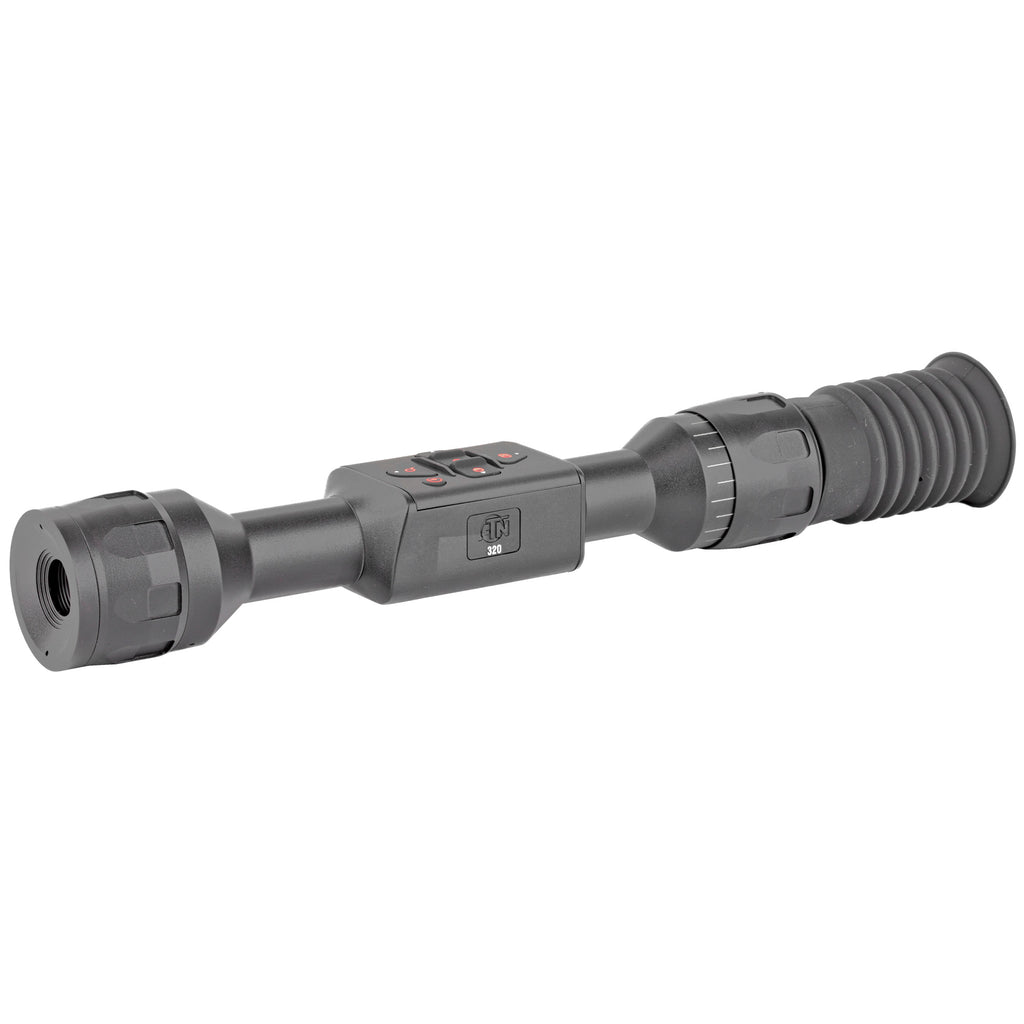
A thermal scope is the most expensive optic most hunters will ever mount, and the specification that drives most of that cost is the one buyers understand least. Magnification is printed largest on the box and matters least. Sensor resolution decides what you can actually tell apart in the dark, and everything else on the spec sheet is downstream of it.
Sensor resolution decides what you see; magnification only makes it bigger
A thermal scope has no glass image to magnify. It has a microbolometer that reads emitted heat and builds a picture out of it, and that sensor has a fixed number of pixels. Everything the optic shows you is assembled from those pixels, so the sensor is the ceiling on detail and no amount of zoom raises it.
This is why digital magnification on a thermal is not the same thing as magnification on a rifle scope. Turning it up spreads the same pixel count across a larger apparent image. The animal gets bigger and blurrier at the same time, and past a certain point you are looking at a smoother rendering of information the sensor never captured. The base optical magnification set by the objective lens is the honest number; the digital range above it is a convenience for confirming a shot, not a way to reach further.
Sensors cluster into tiers, and the jumps between them are what the price jumps are buying. The entry tier works, and it works closer than the marketing implies. The middle tier is where most hunting scopes live and where the value is for most people. The top tier is not sharper in some abstract way — it lets you identify what you are looking at at distances where a cheaper sensor shows you a warm shape and leaves the decision to you. On an animal you intend to shoot, that distinction is the whole game.
Objective lens size matters for the same reason it matters on a day optic: a larger objective gathers more of the signal and generally buys detection range and a cleaner image, at the cost of weight, bulk and money.
Detection, recognition and identification are three different ranges
Thermal marketing quotes a single range figure, and it is almost always detection range — the distance at which the scope shows you that something warm exists. That is the longest and least useful of the three distances that matter.
Recognition is the distance at which you can tell a hog from a deer from a person. Identification is where you can judge size, direction and whether the shot is the one you want. Each of those distances is substantially shorter than the detection figure, and the gap between them widens as the sensor gets cheaper. A budget scope will happily show you a heat signature far past the range where you could responsibly shoot at it.
Plan around identification range, not detection range. It is the only one of the three that describes the distance at which you can ethically and legally take a shot, and it is the number nobody prints.
Refresh rate separates a scanning rig from a shooting rig
Refresh rate is how many times per second the sensor redraws the image. Slower sensors are noticeably laggy when you pan across a field, and the smearing gets worse with movement — which is exactly what you are doing while looking for animals. Faster sensors track moving targets cleanly and feel much more like looking through a conventional optic.
Manufacturers publish refresh rate plainly, and it is worth reading, because it is the specification most responsible for whether a scope feels pleasant or exhausting to use for three hours. A slow sensor on a stationary rig over a feeder is tolerable. The same sensor on a rifle you are sweeping across open ground is not.
Thermal does not see through things, and the confusion costs people money
Thermal reads heat radiating from surfaces. It does not penetrate solid objects, and the common expectations are all wrong in the same direction. A wall shows you a wall. Ordinary glass is effectively opaque, so you cannot scan through a car window. Heavy fog, rain and snow degrade the image badly, because the water in the air scatters the signal you are trying to read.
What thermal does do, better than anything else, is cut through visual clutter. Light brush, tall grass, shadow and total darkness barely slow it down, and a warm animal against a cool background is conspicuous in a way it never is to the naked eye. That is the actual capability being sold, and it is worth the money for the right job.
The picks
Each box below pulls current offers from multiple retailers at the moment the page loads, so what you see reflects what the scope costs today rather than what it cost when this was written.
Compact thermal riflescope, multiple objective and sensor configurations
Stripped-down thermal riflescope, no recording or rangefinding
Mid-tier sensor, 35mm objective, multiple reticle options
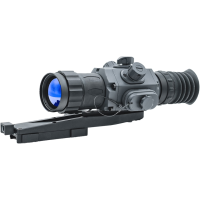
Variable magnification thermal weapon sight, high refresh rate sensor
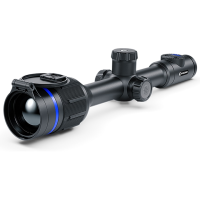
30mm tube body, mounts in conventional rings, recording and streaming
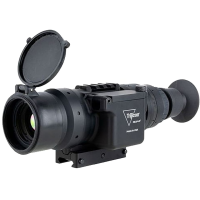
Compact single-piece housing, multiple reticle patterns, professional build
Where thermal stops being the right tool
Thermal is a low-light detection instrument, and it is a poor daytime precision optic. Contrast collapses when the sun has heated everything in the scene to roughly the same temperature, and the image that was crisp at two in the morning turns flat and washed out at noon. It also gives you no useful information about what is behind your target, which is a genuine safety limitation rather than a nitpick.
If the shooting you actually do happens in daylight at distance, the money is far better spent on glass. A proper day optic will resolve detail no thermal sensor approaches, and the conversation there runs through magnified rifle scopes rather than sensors. For general-purpose use where most shooting is close and fast with the occasional longer shot, a low-power variable does more for more of the year than a thermal does.
The honest framing is that a thermal scope is a specialist purchase for hunting at night, for finding animals in cover, and for pest and predator work after dark. Bought for that, it is worth every bit of what it costs. Bought as a general-purpose optic, it disappoints.
The rifle underneath matters more than people plan for
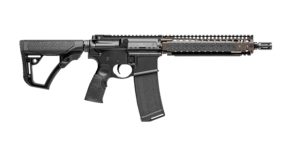
Thermal scopes are heavy, and the weight sits high. A compact thermal adds meaningfully more to a rifle than the day optic it replaces, and the larger-objective models add considerably more than that. On a rifle already carrying a light, a suppressor and a loaded magazine, it changes how the gun handles enough that a carry that was comfortable becomes a chore.
That is worth planning around rather than discovering. If the rifle is going to wear a thermal for long nights, starting from a lighter build buys back the difference. Mounting matters too: a tube-style thermal drops into conventional rings, while most bridge-and-body designs use an integrated mount that fixes your height over bore whether you like it or not. Check that the eye relief and height work with your stock and cheek weld before you commit, because a thermal you have to crane your neck to see through will not get used.
Zeroing is its own small surprise. A paper target is close to invisible through a thermal, because the ink and the paper sit at the same temperature and the sensor has nothing to separate. You need a target that produces a thermal signature — hand warmers taped to cardboard, metal or foil squares that shed heat at a different rate than their backing, or a purpose-made thermal target. Sort that out before driving to the range at dusk with a paper bullseye and no way to see it. Most scopes also store several zero profiles, which is worth configuring if the optic will move between rifles.
Many thermal rigs also end up short-barreled and suppressed, which is a sensible configuration for night work and a regulated one. The general federal framework around short-barreled rifles is covered in our SBR guide, and it is worth understanding before you build rather than after.
The legal part is the part people get wrong
Night hunting rules are among the most variable regulations in American hunting law, and thermal specifically is called out separately in many of them. Some states permit night hunting of invasive and non-game species with minimal restriction, others require a permit or limit it to private land with landowner consent, and others prohibit thermal and night vision for game animals entirely regardless of season. Rules differ by species within the same state, and they get revised regularly.
Federal and state public land adds another layer, and a configuration that is legal on private ground may not be on public. None of that is something to take from an article, including this one. Check your state wildlife agency's current published regulations for the species and the county you intend to hunt, and confirm the land rules separately, before the scope goes on the rifle.
Frequently asked questions
Can a thermal scope see through walls, fog or glass?
No to all three, and the glass one surprises people. Thermal reads emitted heat from surfaces, so a wall simply shows you the wall. Ordinary window glass is effectively opaque to the wavelengths these sensors use, which is why you cannot scan from inside a vehicle with the windows up. Fog, heavy rain and snow degrade thermal badly because the water in the air absorbs and scatters the signal, though light haze and total darkness bother it far less than they bother night vision.
What sensor resolution do I need for hog hunting?
For shots at moderate distance across a field, the mid-tier sensors are enough to identify an animal and place a shot, and they are where most hunters settle. The entry-tier sensors work at closer ranges and start to look like heat blobs before you are as far out as you think. The top tier buys you the ability to tell what you are looking at further away rather than merely that something warm is there, which matters most if your shots are long or your ground is open.
Is hunting at night with a thermal scope legal?
It depends entirely on where you are, what you are hunting, and whose land you are on, and the rules change often. Some states allow night hunting of non-game and invasive species such as feral hogs with few restrictions; others require a permit, restrict it to private land, limit it by season, or prohibit thermal and night vision outright for game animals. Federal land layers on its own rules. Check your state wildlife agency's current regulations before you hunt, not a summary you read somewhere.
Thermal or night vision — which should I buy first?
They solve different problems. Thermal detects: it finds warm animals against a cool background through brush and in total darkness, and it is far better at spotting something you did not know was there. Night vision identifies: it shows you a recognizable image with detail and texture, which makes target identification and shooting at known objects more natural. If the job is finding hogs in a field at midnight, thermal wins. If the job is seeing terrain and moving through it, night vision does.
Do I need a separate thermal monocular for scanning?
Many hunters end up with one, and the reason is safety rather than performance. Scanning with a weapon-mounted optic means pointing the rifle at everything you want to look at, which is a poor habit and a genuine hazard with other people in the field. A handheld monocular lets you find and identify first and mount the rifle only once you have decided to shoot. It is a second purchase, and it is the one most people wish they had made sooner.
Guns & Gear HQ earns a commission when you buy through links on this page. It costs you nothing and it is what pays for the price tracking behind these numbers. We pick products on the merits and quote whatever the retailers actually charge.

Comments