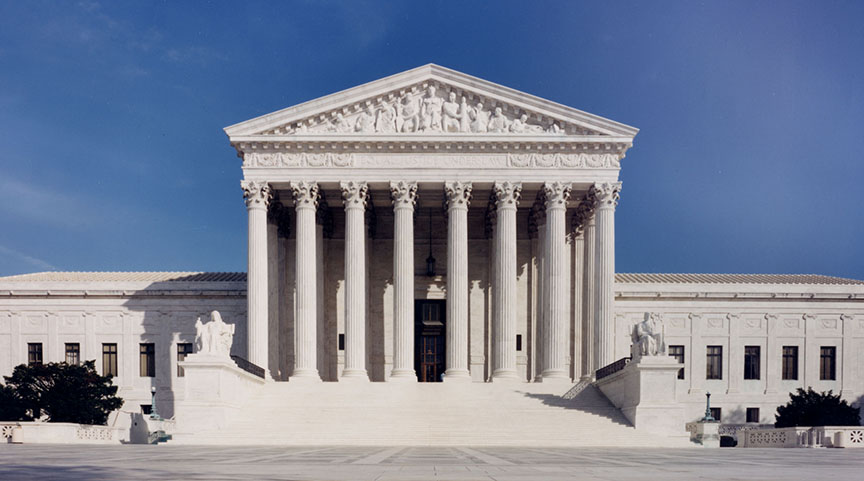
A 27-state coalition of attorneys general filed an amicus brief with the Supreme Court on September 4 telling the justices that state-level AR-15 bans violate the Second Amendment, adding the official legal weight of more than half the country's state governments to the pro-gun side in Viramontes v. Cook County and Grant v. Higgins — the two consolidated cases the Court will hear at oral argument on December 2.
Tennessee and Kansas led the coalition brief. The other 25 states joining are Alabama, Alaska, Arkansas, Florida, Georgia, Idaho, Indiana, Iowa, Kentucky, Louisiana, Mississippi, Missouri, Montana, Nebraska, New Hampshire, North Dakota, Ohio, Oklahoma, Pennsylvania, South Carolina, South Dakota, Texas, Utah, West Virginia, and Wyoming. The brief argues that AR-15 platform rifles and comparable semiautomatic rifles meet the "common use" threshold from Heller v. District of Columbia on every available metric: tens of millions of units in civilian hands, overwhelmingly lawful possession, and a violent-crime footprint smaller than handguns and smaller than several non-firearm weapon categories when measured against federal crime data. AmmoLand covered the 27-state filing in detail the day after submission.
The state brief arrived as part of a wider early-September wave of pro-gun amicus filings. Bearing Arms reported that multiple firearms policy organizations also filed separately in early September, with several briefs targeting the Seventh Circuit's legal theory distinguishing between "civilian arms" and "military arms" — the framework on which Illinois and Connecticut have rested their bans. A second brief, which AmmoLand reported, made an affirmative historical case against militia-context firearm bans, arguing that the 18th and 19th century record of citizen militias using the same arms as regular troops directly contradicts the states' position in both Viramontes and Grant.
The Trump administration staked out its position earlier this month when Solicitor General D. John Sauer filed the government's merits brief arguing that semiautomatic rifle bans fail the Second Amendment because the regulated firearms are in common use for lawful purposes. The Reload first reported the brief's substance. That filing marked the first time the current administration formally aligned the United States with the gun-owner petitioners in these consolidated cases — a significant departure from the Biden-era government position in similar AR-15 litigation.
Viramontes originated when Cook County, Illinois enforced its assault weapon ordinance against plaintiff John Viramontes. Grant v. Higgins challenges a substantially similar Connecticut law. The Supreme Court accepted both cases and consolidated them for a single argument, framing the question as whether the Second Amendment protects the right to possess AR-15 platform and similar semiautomatic rifles. It is the Court's first direct look at commonly owned semiautomatic rifle restrictions since its 2008 Heller decision established the individual right to keep and bear arms.
State respondents' briefs are not due until October 21, giving the gun-control side roughly five weeks to respond to the consolidated amicus support that has assembled on the petitioners' side. Oral argument on December 2 will likely draw the largest public interest audience of any Second Amendment case since McDonald v. City of Chicago. Lawful gun owners, manufacturers, and dealers will be watching closely for any signal from the Court about how broadly or narrowly it intends to rule on the common-use question.





Comments