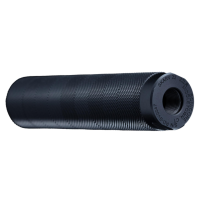
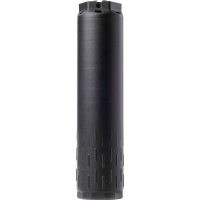
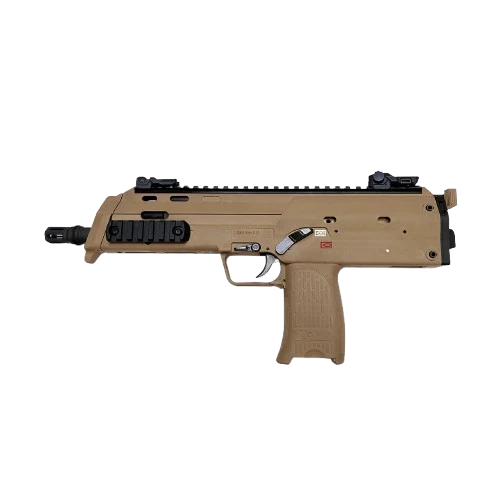
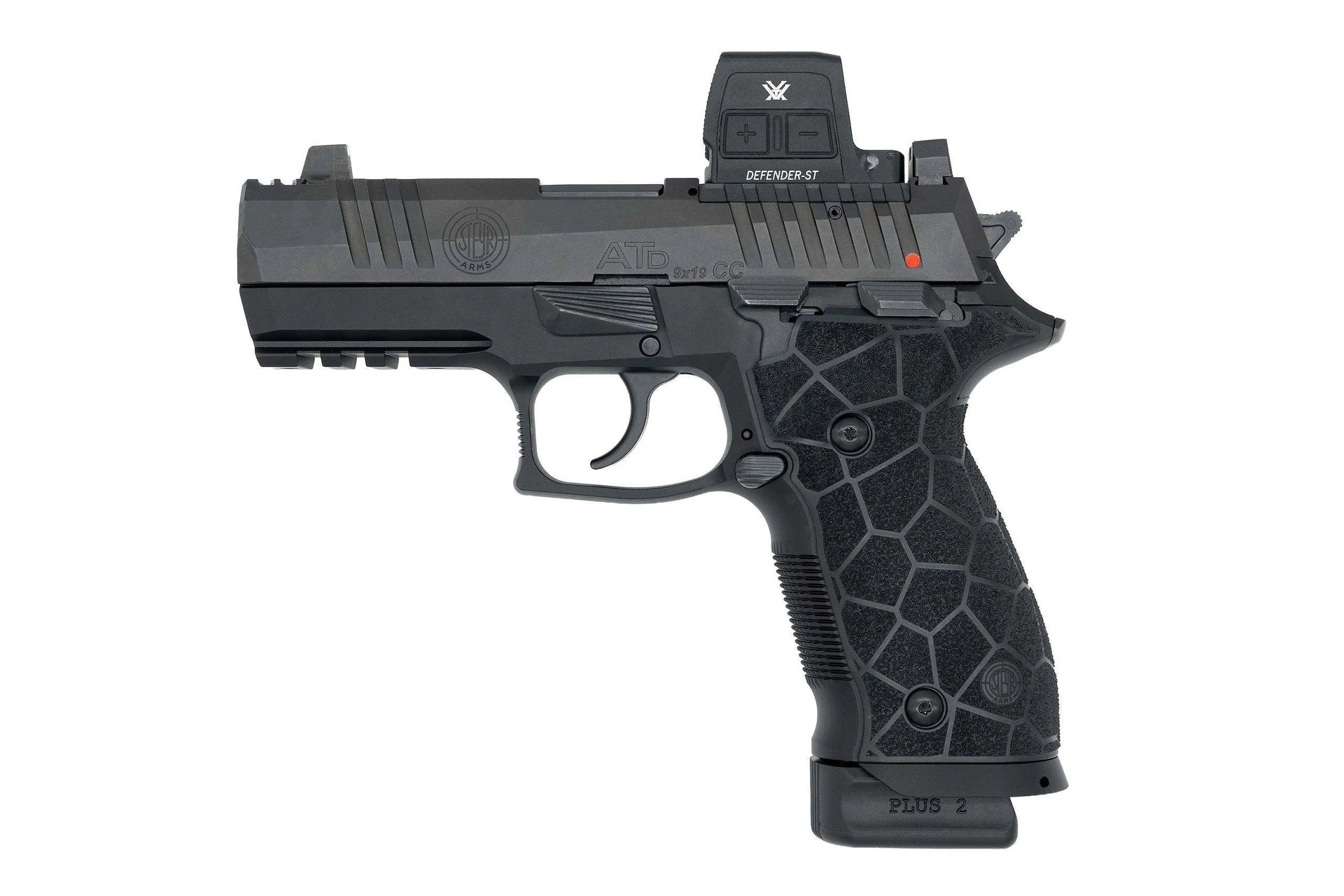
ATF Director Robert Cekada signed and published an open letter on October 9 formally directing the agency to stop enforcing NFA registration, Form 4 approval, and the $200 tax stamp requirement for suppressors, short-barreled rifles, short-barreled shotguns, and "any other weapons." The agency issued a companion FAQ document the same day. American Rifleman, the NRA's official publication, reported the announcement as a victory for the NRA in Jensen v. ATF.
The open letter is the administrative capstone to a legal string that began with a Northern District of Texas ruling in the litigation known as Jensen v. ATF — a case the Silencer Shop Foundation also participated in as a plaintiff. The Texas court found the NFA registration framework unconstitutional as applied to suppressors, SBRs, and SBSs, following congressional and Supreme Court action that zeroed out the $200 transfer tax. The DOJ subsequently declined to appeal. Director Cekada had publicly committed to issuing formal guidance once internal review was complete, and the October 9 letter and FAQ represent that published guidance. The Second Amendment Foundation noted that framing the policy as enforcement discretion — rather than a statutory repeal — means a future administration could theoretically reverse it, and called on Congress to codify the relief permanently.
The open letter also stops enforcement of 26 U.S.C. § 5861(j), the provision that made it a federal crime to transport an unregistered NFA item across state lines, addressing a practical concern that had lingered after the court ruling. Two related provisions remain fully in force: possessing an NFA item with an obliterated serial number (§ 5861(h)) and possessing one that was illegally imported (§ 5861(k)) are still federal crimes. Machine guns and destructive devices remain entirely subject to NFA requirements and are not affected by the guidance.
Practical implications from the FAQ are important for lawful buyers. Gun Control Act requirements still apply — purchases through licensed dealers still require a Form 4473 and a NICS background check. Interstate travel with SBRs and SBSs still requires filing ATF Form 20; suppressors are treated differently because the travel restriction for that class derives from a separate federal provision the open letter leaves untouched. Buyers in states with independent NFA registration laws should also be aware that ATF noted it will continue to process Form 1 and Form 4 applications for residents of the roughly 15 states whose laws still require it — the guidance does not override those state requirements.
For lawful buyers in states without independent suppressor registration requirements, the practical effect is immediate: suppressors, short-barreled rifles, and short-barreled shotguns are now Title I firearm transactions. The NRA, Gun Owners of America, and the Firearms Policy Coalition all characterized the guidance as a significant development for lawful gun owners; all three have publicly urged Congress to follow the enforcement change with permanent legislation that puts the relief beyond the reach of executive reversal.
Comments