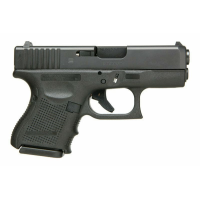
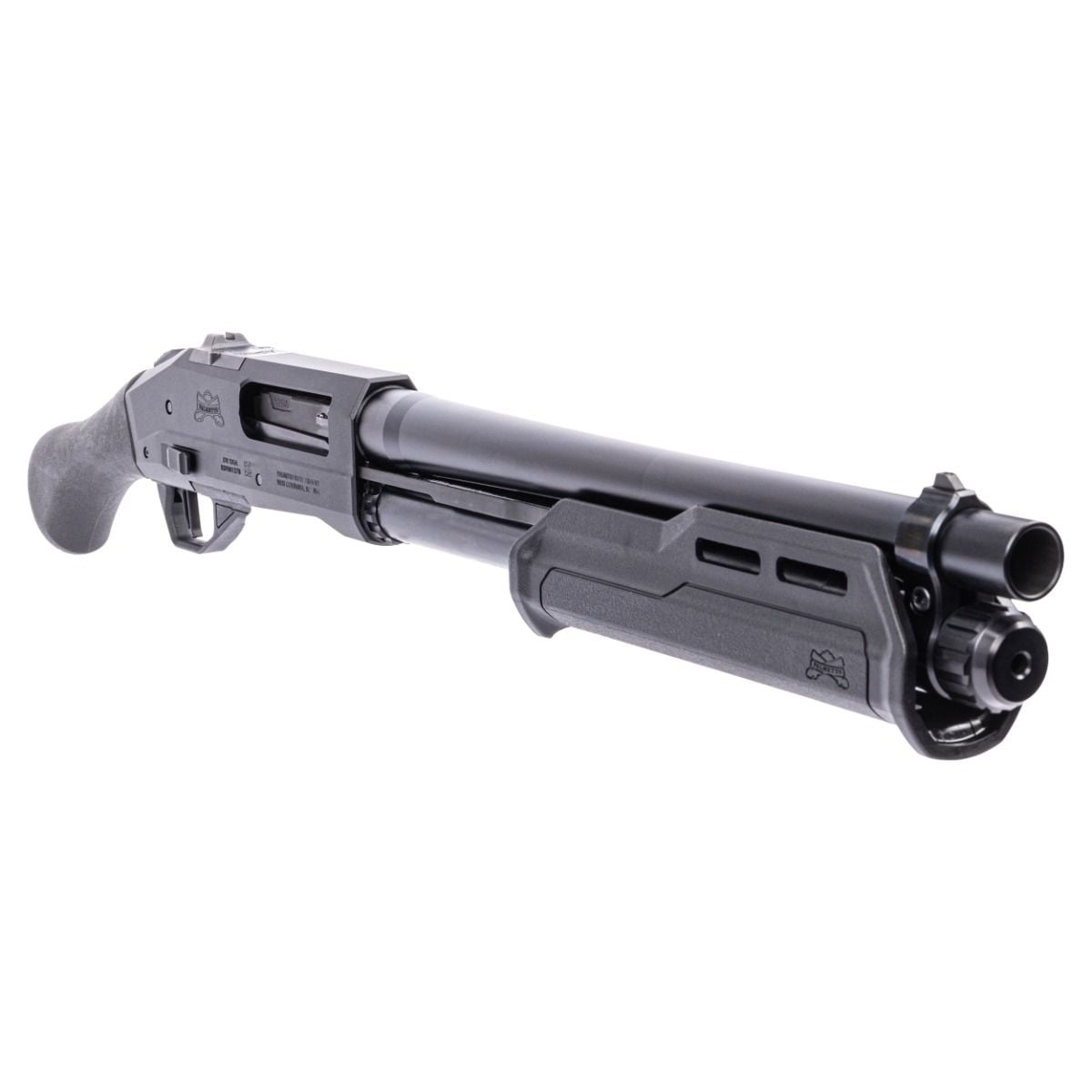
The National Shooting Sports Foundation filed a federal lawsuit Friday challenging Maryland's newly enacted ban on cruciform-trigger handguns — the design common to virtually every Glock-pattern pistol on the market. NSSF is joined by Glock, Sturm Ruger & Co., Shadow Systems, Derya USA, Palmetto State Armory, and Fred's Outdoors, a Waldorf-based gun retailer, as co-plaintiffs. The case was filed in U.S. District Court for the District of Maryland, according to an NSSF press release.
The law at issue is S.B. 334, signed by Governor Wes Moore, which bars the manufacture, sale, offer for sale, purchase, receipt, or transfer of what Maryland classifies as a "machine gun convertible pistol" — defined to include handguns designed around a cruciform trigger housing. Beginning January 1, 2027, the prohibition applies to civilian transfers while law enforcement remains explicitly exempt. Maryland legislators framed the ban around the premise that cruciform-trigger pistols can be illegally converted to fire automatically using readily available auto sears, commonly called "switches."
NSSF president and CEO Joe Bartozzi said in a statement that the law amounts to an unconstitutional ban on the most popular class of handguns in America and that it targets law-abiding gun owners and manufacturers rather than the criminals who illegally modify firearms. The complaint argues that under the Supreme Court's decisions in District of Columbia v. Heller and New York State Rifle & Pistol Association v. Bruen, commonly owned firearms receive Second Amendment protection and may not be prohibited simply because bad actors misuse or illegally modify them.
The industry consortium's challenge notes that Maryland's law enforcement exemption undermines the state's safety rationale. If cruciform-trigger pistols are dangerously easy to convert, the state's own decision to allow police to carry them suggests the government regards them as standard, useful handguns — an argument that has carried weight in Bruen-era litigation challenging similar carve-outs in other circuits.
A separate challenge to S.B. 334 is already pending in the same court. The National Rifle Association's ILA arm, the Second Amendment Foundation, and the Firearms Policy Coalition filed suit the day Moore signed the bill; that case remains active. The two lawsuits represent different plaintiff classes — the NSSF consortium is composed of manufacturers and dealers whose businesses face direct financial harm from the sales prohibition, while the earlier case was filed by civil rights organizations on behalf of gun owners — and the court may consolidate the proceedings.
Maryland's ban is the latest in a series of state laws targeting pistols with cruciform triggers or other features claimed to increase conversion risk. New York and Connecticut enacted similar bans earlier in 2026, and both face parallel federal challenges. The January 1, 2027 effective date gives the plaintiffs roughly six weeks to seek a preliminary injunction before the prohibition takes effect. No scheduling order had been entered in the NSSF case as of Friday.
Comments