
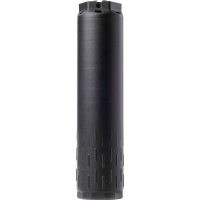
A federal judge in Texas handed Second Amendment litigants one of their largest wins in years on August 5, ruling that the National Firearms Act's registration and advance-approval requirements for suppressors, short-barreled rifles, and short-barreled shotguns are unconstitutional. U.S. District Judge James Wesley Hendrix, sitting in the San Angelo Division of the Northern District of Texas, issued the 66-page ruling in Jensen v. ATF, a case consolidated with Silencer Shop Foundation v. ATF.
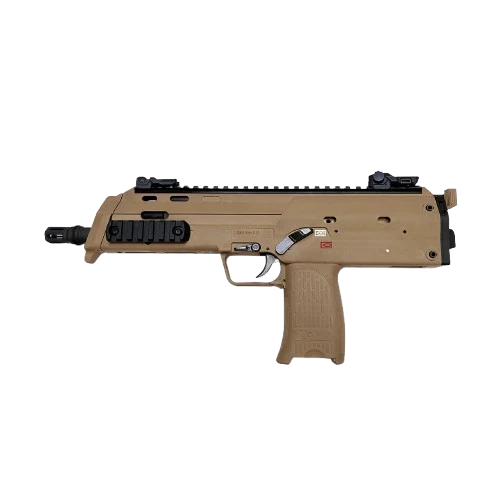
The decision turns on Congress's choice to eliminate the NFA's $200 making and transfer taxes on these items through the One Big Beautiful Bill, which took effect January 1, 2026. Judge Hendrix, a 2019 Trump appointee, concluded that without a tax to collect, the federal government can no longer justify the registration scheme under the taxing power — the constitutional foundation on which the 1934 National Firearms Act has stood for nearly a century. With that rationale gone, the judge found no remaining basis to compel registration, prior approval, and the associated paperwork burdens on lawful gun owners seeking to buy or make suppressors, SBRs, and SBSs.
Individual plaintiffs in the case are John Jensen, Jeremy Neusch, and David Lynn Smith. Organizational plaintiffs include the Texas State Rifle Association, the Citizens Committee for the Right to Keep and Bear Arms, and the National Rifle Association. The Second Amendment Foundation, which has filed three parallel NFA challenges targeting the remaining registration requirements, said through published statements that it views the Hendrix ruling as validation of that broader litigation approach.
Judge Hendrix stayed the effect of the ruling for seven days to give the Department of Justice an opportunity to seek emergency relief from the Fifth Circuit Court of Appeals. That stay expires August 12 — tomorrow as of this writing. If the DOJ does not move for an extension, or if the Fifth Circuit declines to grant one, the injunction takes effect and the registration framework for these NFA categories could be suspended, at least within the Northern District of Texas, pending any further appellate proceedings. The DOJ has not publicly announced whether it will seek a stay extension.
The Fifth Circuit is a consequential venue for this appeal. That court ruled earlier in 2026 that suppressors qualify as Second Amendment arms, finding they are not categorically outside constitutional protection — a conclusion that complicates any government argument that the registration requirement survives on Second Amendment grounds alone. Observers across the firearms law community expect the next few days to be decisive: a Fifth Circuit stay would extend the status quo while the appeal proceeds, while a refusal or inaction would put the ruling into immediate effect and likely accelerate the case's path to the Supreme Court.
Comments