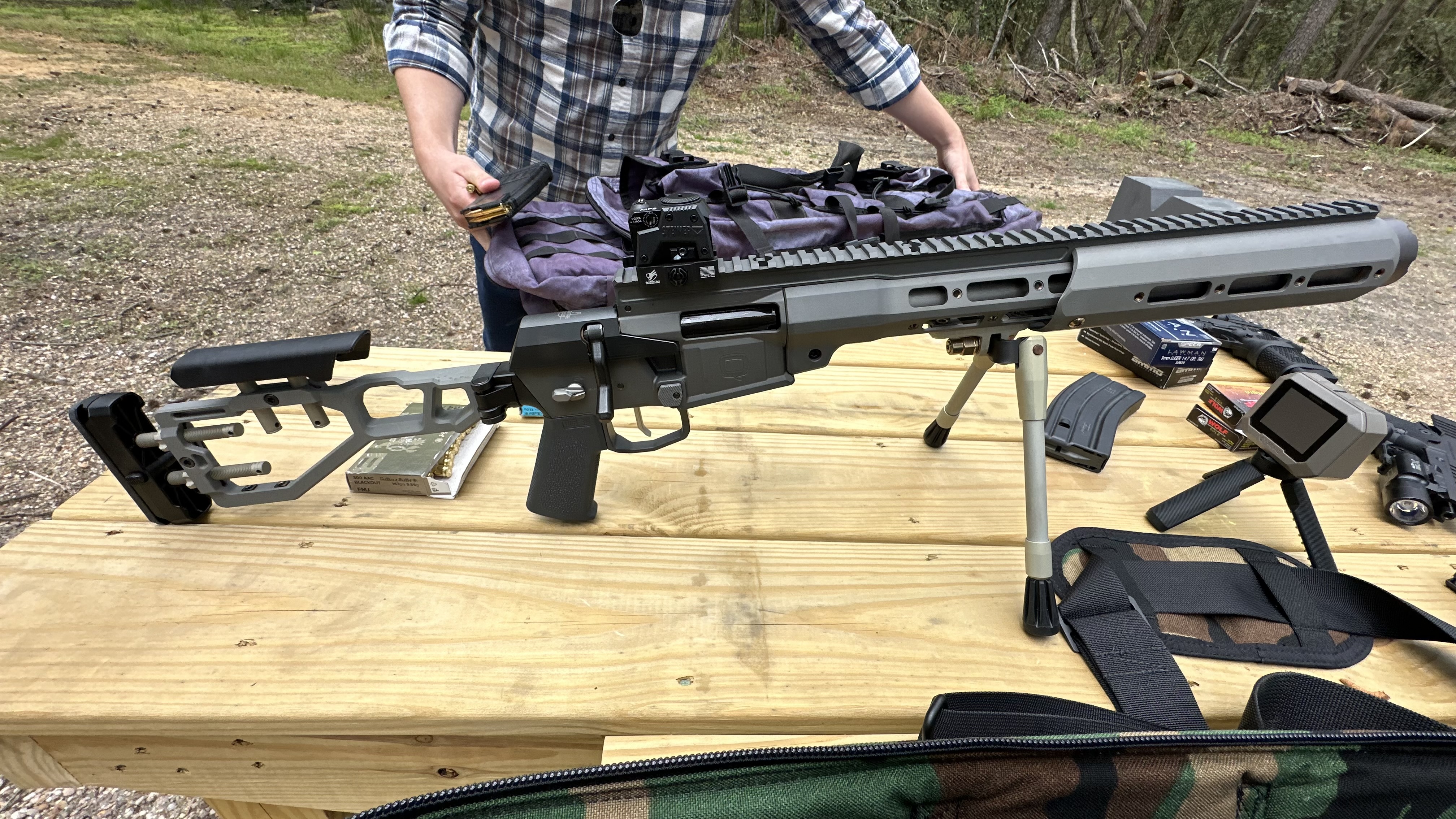
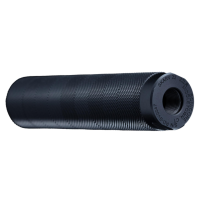
Four months into the first tax-free year for suppressors in American history, ATF data show NFA Form 4 transfer applications for silencers running at roughly four times their pre-reform monthly pace — and the agency is keeping up, Guns.com reported from the February 2026 figures.
The surge traces directly to H.R. 1, the reconciliation bill President Trump signed on July 4, 2025, which eliminated the $200 NFA tax stamp for suppressors, short-barreled rifles, short-barreled shotguns, and Any Other Weapons effective January 1, 2026. The market responded immediately: American Rifleman reported approximately 150,000 Form 4 applications hit the ATF's eForm system in just the first 24 hours of the new year. February confirmed the trend was structural. The ATF recorded 147,314 Form 4 suppressor applications that month alone — a total that, as The Firearm Blog noted in its April review of 2026 NFA data, exceeds the 147,484 NFA forms processed across the entire year of 2005. That single month represented a 394 percent increase over the 2025 monthly average and accounted for 33 percent of all Form 4 silencer transfers processed in the prior full year.
The NFA registry reflects the shift. As of February 28, 2026, the registry stood at 6,957,598 items, with silencers comprising 80.3 percent of total registered NFA items — a share that will continue growing as the backlog of deferred purchases clears. Processing times have so far matched the volume: the ATF's eForm system was approving individual Form 4 applications in approximately four to ten days as of late March 2026, with trust filings running 22 to 26 days, according to Silencer Central. The ATF's current processing-times page is updated periodically and is the authoritative source for current turnaround benchmarks. Both timelines represent a dramatic improvement over the months-long waits that predated the ATF's eForm modernization and the pre-reform era when $200 per-unit costs routinely deferred purchases.
The market impact is visible across the supply chain. Suppressor manufacturers and dealers that built out inventory and staffing ahead of the January 1 effective date are absorbing strong order flow. The removal of the tax barrier — long cited by industry as the single largest friction point in consumer suppressor adoption — appears to be converting a substantial pool of latent demand into completed sales. The American Suppressor Association has signaled that full-year 2026 transfer volumes are on pace to set records by a wide margin.
Whether the ATF's eForm infrastructure can sustain current throughput as volumes remain elevated is the key variable to watch. The agency has historically struggled with surges, but the combination of electronic processing and recent staffing investments suggests the current pace is sustainable. Industry observers expect Form 4 volumes to remain elevated at least through mid-2026 as gun owners who deferred suppressor purchases during the $200-stamp era complete their paperwork.

Comments