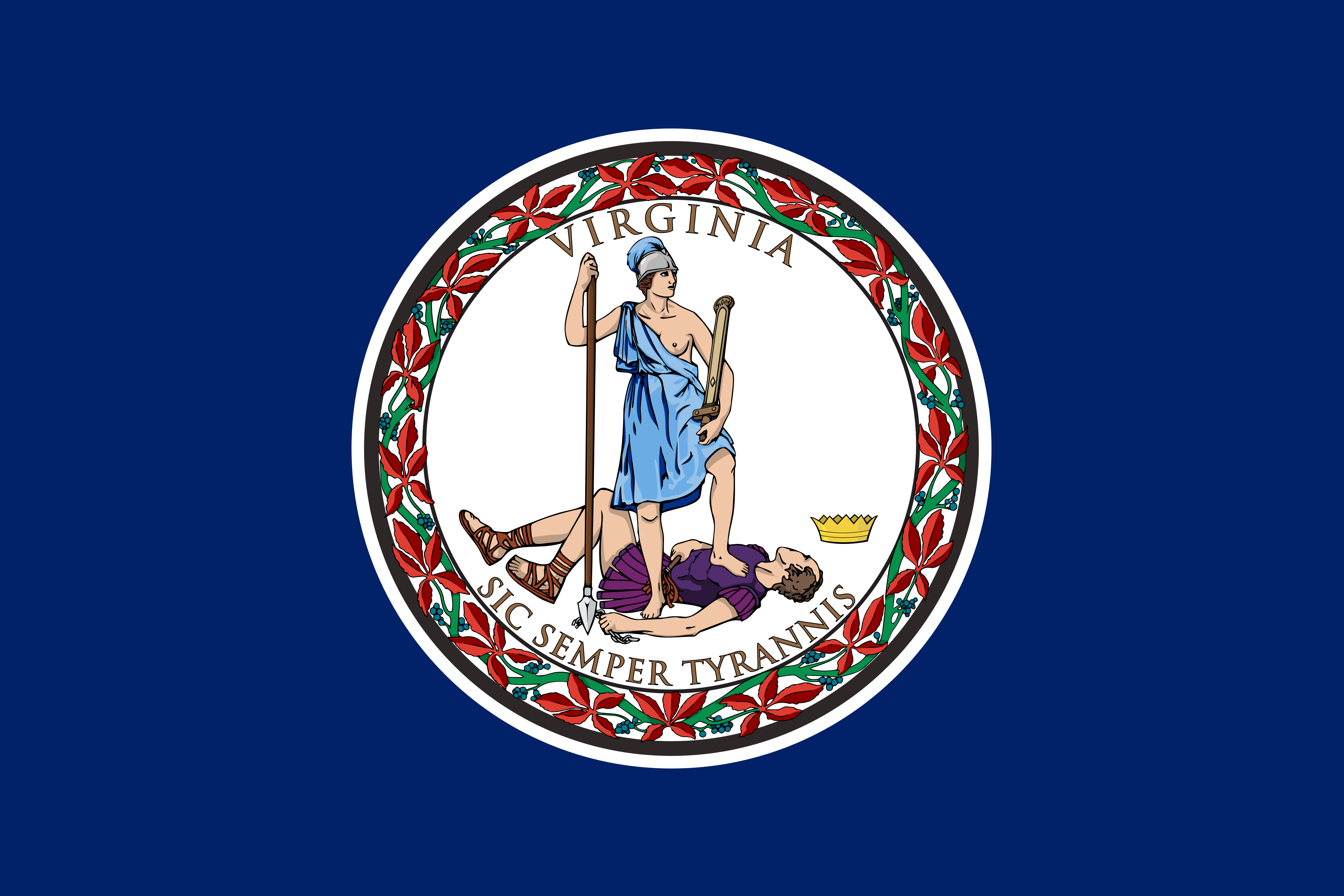
A growing coalition of Commonwealth's Attorneys and sheriffs across Virginia announced this week that they will not enforce the state's new assault firearms and magazine ban when it takes effect July 1, and on May 26 Bearing Arms reported that Governor Abigail Spanberger and Attorney General Jay Jones have now issued formal responses to the defiance — responses that make clear neither official has a legal mechanism to compel prosecution.
At least five Commonwealth's Attorneys — serving Spotsylvania, Smyth, Powhatan, Pulaski, and Scott counties — have publicly stated they regard the law as unconstitutional and will not bring charges under it. Spotsylvania County Commonwealth's Attorney G. Ryan Mehaffey was the first to speak out, on the day Spanberger signed the bill into law on May 15, declaring the ban "cannot be lawfully enforced." Smyth County's Phillip Blevins Jr. issued a similar statement. Pulaski County's Justin Griffin made the calculus plain: he would not "take law-abiding citizens as of June 30, 2026 and criminalize that same behavior on July 1, 2026 solely on the basis of this new law." Powhatan County's Rob Cerullo notified local law enforcement that he will not pursue charges under the statute.
Sheriffs are taking the same position. At least seven — from Amherst, Campbell, Carroll, Page, Floyd, Scott, and Washington counties — have directed their departments not to enforce the ban. Amherst County Sheriff Jimmy Ayers said his constituents "have the right to bear arms as long as they're qualified individuals to do so." Campbell County Sheriff Whit Clark went further, calling the law "nothing more than a gun grab" and a direct infringement on Second Amendment rights.
The Washington Times also reported on the growing resistance on May 26. Fifty-eight localities across the Commonwealth have adopted Second Amendment sanctuary resolutions, with many of those resolutions carrying fresh practical weight as the July 1 effective date approaches. Virginia's prosecution system is locally controlled — Commonwealth's Attorneys are independently elected officers and cannot be directed by the governor or attorney general on individual charging decisions. Spanberger's office responded that she "believes that firearms designed to inflict maximum casualties do not belong on Virginia streets." Attorney General Jones stood behind the law's constitutionality, but neither official has identified a legal mechanism to force prosecution.
The ban, signed by Spanberger on May 15, prohibits future sale and manufacture of so-called assault firearms — including common AR-15-pattern rifles — and bans magazines holding more than 15 rounds. Existing owners are grandfathered. Bearing Arms documented record pre-ban purchase surges in Virginia ahead of the signing, as dealers moved inventory ahead of the cutoff.
Legal challenges are advancing on multiple tracks. The National Shooting Sports Foundation filed suit in Fauquier County Circuit Court, in the case Black v. Hook, seeking a preliminary injunction before July 1. The National Rifle Association, Second Amendment Foundation, and Firearms Policy Coalition each filed separate federal suits on the day the law was signed, as AmmoLand reported at the time. The Reload has been tracking the litigation and noted that plaintiffs may seek an expedited injunction hearing given the approaching effective date.
What to watch: whether any state or federal court issues a preliminary injunction before July 1, and whether the governor takes any formal action against non-compliant elected officials. If no court acts, enforcement of the ban will fall entirely to individually elected Commonwealth's Attorneys — and by the current count, the majority in rural Virginia are saying no.



Comments