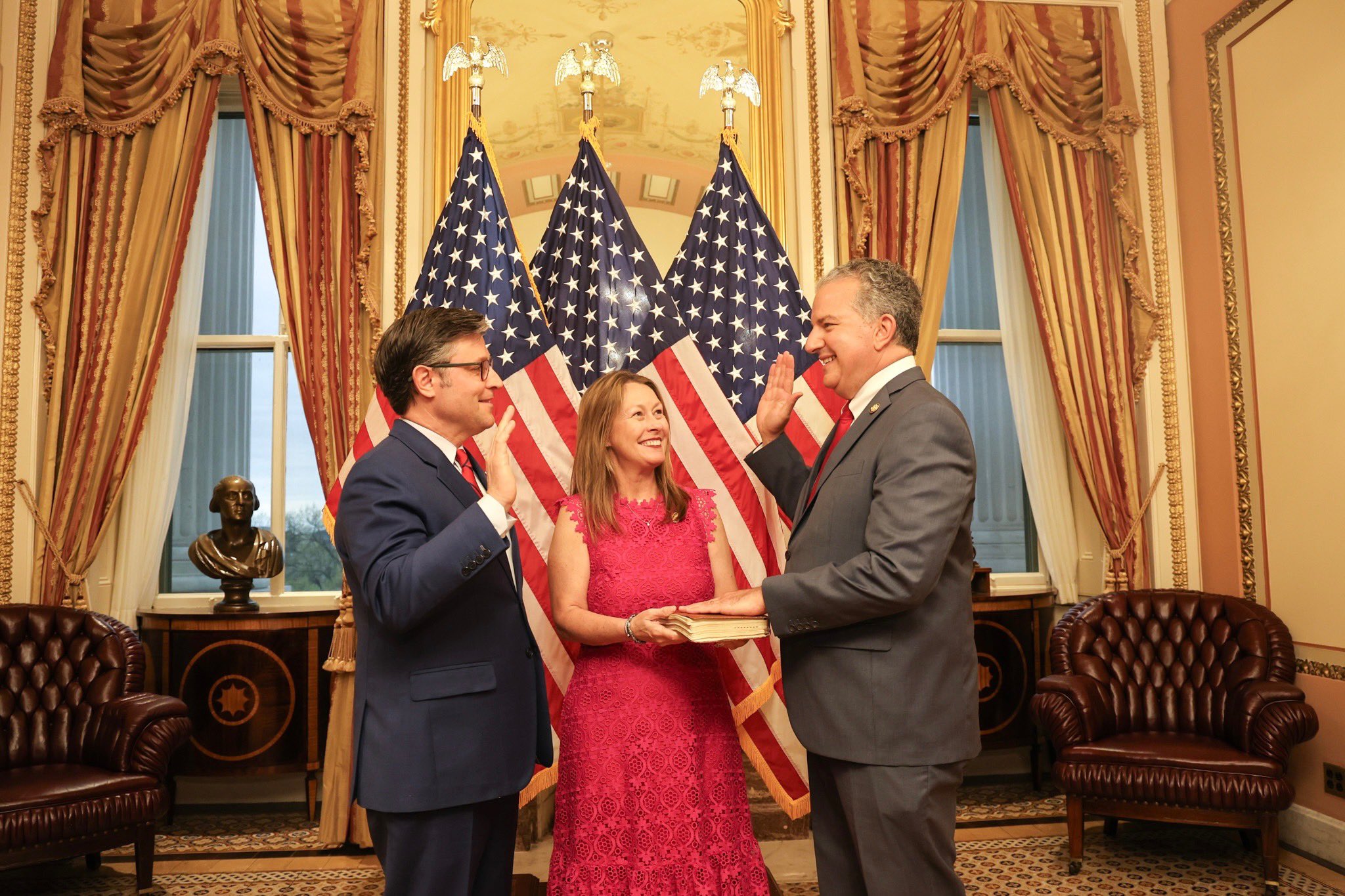
Rep. Jimmy Patronis (R-FL) introduced H.R. 9009, the Firearm Freedom Act, on May 22 — the first legislation in the 40-year history of the Hughes Amendment to propose its full repeal. Gun Owners of America endorsed the bill on the same day, timed to the 40th anniversary week of the amendment's passage. AmmoLand covered the bill's introduction.
The Hughes Amendment was appended to the Firearms Owners Protection Act of 1986 and signed into law by President Ronald Reagan on May 19, 1986. The provision closed the National Firearms Act's transferable machine gun registry to any weapon manufactured after that date, creating a fixed supply of legally transferable automatic weapons for civilian ownership. The practical effect over four decades has been extreme price compression: pre-1986 transferable M16 lowers now routinely trade for $12,000 to $30,000 or more on the NFA registry market, and collector-grade Thompson submachine guns command prices well above that. Legal automatic fire is, for practical purposes, available only to the very wealthy — or to government agencies.
Patronis's bill, referred to the House Committee on the Judiciary, would simply strike the Hughes Amendment's language from existing law. All other NFA requirements would remain in place: machine guns manufactured after the repeal's effective date would still require the standard NFA transfer process, including a background check, applicable tax, and ATF processing — the same procedure that already governs suppressors, short-barreled rifles, and other regulated items. What the Firearm Freedom Act would change is the 40-year prohibition on adding newly manufactured machine guns to the civilian-transferable registry.
Gun Owners of America called the bill historic in its endorsement statement, arguing that the Hughes Amendment is unconstitutional under the Supreme Court's 2022 Bruen framework, which requires that firearms regulations have a grounding in the historical tradition of American gun law. A post-1986 statutory restriction on an entire class of firearms, GOA has argued, has no colonial-era historical analog. Patronis's office said the amendment has "punished law-abiding gun owners" while doing nothing to prevent criminal misuse of automatic weapons, and called the Firearm Freedom Act a step toward restoring rights the founding generation recognized.
The bill arrives alongside a separate legislative effort: Rep. Lauren Boebert's Freedom Taxes Act, which would zero out the $200 NFA transfer tax that applies to suppressors, short-barreled rifles, and other regulated items. The Boebert bill addresses the tax burden on NFA transfers but does not reopen the machine gun registry. Together, the two bills represent the most aggressive Congressional push against NFA restrictions in a generation, though neither has yet attracted significant cosponsorship or a committee hearing date per Congress.gov records.
Whether H.R. 9009 can advance in the 119th Congress depends on committee schedules and whether House Republican leadership opts to bring the measure to the floor. Gun rights organizations including GOA are calling on members to contact their representatives in support of the bill. What to watch: any Senate companion bill from a like-minded member, and whether the House Judiciary Committee schedules a markup or hearing for H.R. 9009.



Comments