The National Shooting Sports Foundation released July 2026 NICS background check data this week, and the headline numbers continue a trend that has defined the first seven months of the year: firearm sales are up modestly, and National Firearms Act checks — led overwhelmingly by suppressor transfers — have more than doubled from a year ago.
The adjusted NICS figure for July came in at 1,061,883, a gain of 8.5 percent over July 2025. The unadjusted NICS total, which includes permit checks and other verifications not directly tied to gun sales, rose 6.3 percent to 2,057,967. July marks the seventh consecutive month in which the adjusted NICS total has exceeded one million.
The more striking number sits in the NFA category. NSSF counted 130,013 NFA background checks during July — a 108.8 percent increase over the 62,271 checks recorded in July 2025. That gain reflects almost entirely the suppressor category, which has seen sustained demand since Congress eliminated the federal NFA transfer tax effective January 1, 2026. Buyers no longer pay the $200 per-transfer tax that applied to suppressors, short-barreled rifles, short-barreled shotguns, and any other weapons under the National Firearms Act, and the result has been a surge that shows no sign of exhausting itself.
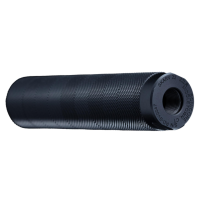
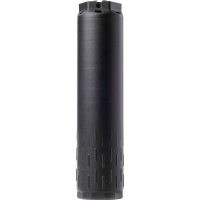
By July 1, 2026, the total number of registered suppressors in the United States had reached 6.5 million. The suppressor registry stood at roughly 3 million units at the end of 2024. The seven months since the tax elimination have added more registered suppressors than the several preceding years combined, a pace that reflects pent-up demand colliding with dramatically simplified paperwork and shorter ATF approval times.
Texas led the nation in NFA activity in July with 16,977 NFA background checks. Virginia led the nation in overall adjusted NICS firearm background checks, a position the state has held for several consecutive months amid sustained buying activity tied in part to its volatile legislative environment over the past year.
The sustained NICS baseline, combined with the NFA surge, reflects a market running on two distinct engines. Conventional firearm sales are benefiting from improving consumer sentiment and a court calendar full of Second Amendment victories that have reinforced buyer confidence. The NFA side of the market is being driven almost entirely by suppressors, where eliminated taxes, shortened ATF processing times, and civilian legality in 42 states have collapsed the barriers that kept suppressor ownership a niche pursuit for most of the past century.
Manufacturers and retailers have built capacity accordingly. B&T USA announced its Utah facility is now producing 7,000 suppressors per month. Several other manufacturers have disclosed production expansions or new entry-level product lines aimed at first-time buyers. The July data suggests demand is still absorbing that additional supply without softening.
For perspective on how unusual the current environment is: the American Suppressor Association reported earlier this year that 660,000 Form 4 applications were submitted in just the first four months of 2026 — roughly the pace of a full year in 2023. The July numbers confirm that pace held through the summer.
NSSF publishes adjusted NICS figures monthly. The adjustments strip out permit-check states that run NICS for purposes other than transfer approvals, providing a cleaner proxy for actual gun sales.

Comments