
A Connecticut federal judge issued a preliminary injunction on September 30, blocking the state's new "convertible pistol" ban from taking effect, and finding the law is likely unconstitutional under the Second Amendment. Judge Kari A. Dooley of the U.S. District Court for the District of Connecticut entered the order hours before the ban was set to go into force on October 1, halting enforcement while the constitutional challenge proceeds.
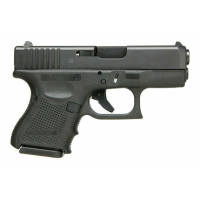
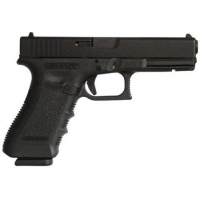
Connecticut's Public Act 26-41, signed by Governor Ned Lamont in May, banned the advertising, sale, or importation of any newly manufactured pistol with a cruciform trigger bar — a design feature found in Glock-pattern handguns and dozens of other popular striker-fired models. Violations carried Class D felony penalties of up to five years and a $5,000 fine. The law did not apply retroactively; Connecticut residents who already owned a covered pistol before October 1 retain it without any registration, surrender, or buyback requirement.
GLOCK Inc. filed suit in the U.S. District Court for the District of Connecticut on September 21, seeking a temporary restraining order and preliminary injunction to stop the law before it took effect. GLOCK was joined by the National Shooting Sports Foundation, Texas-based pistol maker Shadow Systems, and Wallingford, Connecticut, retailer Blue Trail Range. In the complaint, Glock argued that state officials had declined to confirm whether its pistols would even be legal to sell under the new law's vague "readily converted" standard, leaving dealers and distributors operating with no clear guidance.
Judge Dooley found that the plaintiffs are likely to succeed on the merits of their Second Amendment challenge under the standard the Supreme Court established in Bruen in 2022. "The statute is presumptively unconstitutional," Dooley wrote, "and Defendants have not met their burden of demonstrating that the statute is consistent with our nation's history of firearms regulation." Connecticut's attorneys failed to produce any historical analogue showing that lawmakers once prohibited the sale of a firearm simply because it could theoretically accept an illegal conversion device — a category of accessory already banned under federal law.
The ruling follows a broader pattern of district courts striking down state gun restrictions under Bruen, which requires the government to affirmatively demonstrate that a challenged law fits within the American tradition of firearms regulation. Connecticut had staked its defense on the premise that the cruciform trigger bar creates a pistol that is "readily convertible" to fire automatically, but Dooley was not persuaded that mere compatibility with a separately banned illegal accessory is enough to strip a widely owned handgun of Second Amendment protection.
NSSF, the firearms and ammunition industry trade group, called the ruling a victory for lawful gun owners and dealers. The organization, which co-developed the legal challenge, noted that the decision confirms states cannot circumvent the Second Amendment by targeting ubiquitous mechanical features shared by tens of millions of lawfully owned handguns.
The preliminary injunction will remain in place while the underlying case moves forward. Connecticut has not indicated whether it will appeal to the Second Circuit, where it would face a high standard to resume enforcement pending litigation. The NSSF and plaintiffs are expected to press for a permanent injunction and a final judgment on the merits in the months ahead.

Comments