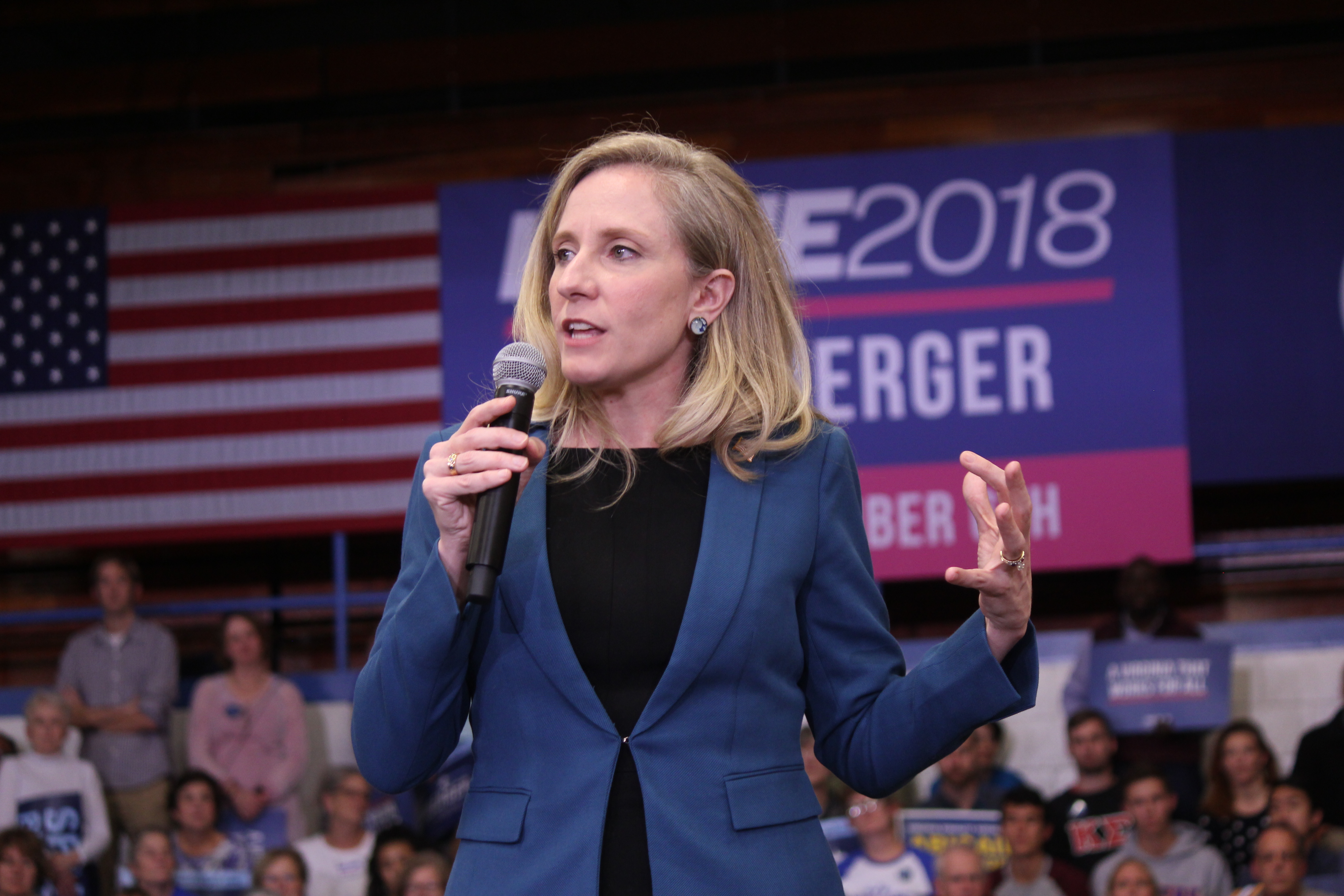
Virginia Governor Abigail Spanberger signed HB 40 — the state's new privately made firearm ban — into law on April 10, then offered amendments to a companion semiautomatic ban the following week after the Department of Justice warned it would sue if the bill became law, Bearing Arms reported.
HB 40 bars the manufacture, transfer, sale, and importation of unserialized firearms and unfinished frames or receivers, with enforcement staggered across two deadlines: the commercial prohibitions take effect January 1, 2027, and a full possession ban follows July 1, 2027. Critically, AmmoLand reports the law contains no exemption for current owners, meaning Virginians who legally built or acquired privately made firearms before the law's passage will need to either serialize through the state's approved process or dispose of them before the possession deadline.
The companion bill, HB 217 — which would ban the future sale, transfer, manufacture, and importation of semiautomatic centerfire rifles and pistols capable of accepting magazines over 15 rounds — drew a harder federal response. Assistant Attorney General Harmeet Dhillon, leading the DOJ's Civil Rights Division, sent Spanberger a letter on April 10 stating the division "will commence litigation in the event the Commonwealth of Virginia enacts certain bills that unconstitutionally limit law-abiding Americans' individual right to bear arms." Dhillon specifically cited HB 217 and AR-15-pattern rifles, writing: "The Second Amendment protects the rights of law-abiding citizens to own and use AR-15 style semiautomatic rifles for lawful purposes." AmmoLand reports that the DOJ noted Virginia's General Assembly had sent "over 20 bills that restrict Second Amendment rights" to Spanberger's desk this session.
Rather than sign or veto HB 217 outright, Spanberger on April 14 sent an amended substitute back to the legislature. According to Bearing Arms, the substitute strips pistol grips and thumbhole stocks from the list of features that classify certain semiautomatic shotguns as "assault firearms" but preserves the core ban on rifles and pistols capable of accepting over-15-round magazines. Unlike HB 40, HB 217 includes a grandfather provision: firearms bought or owned before July 1, 2026 are not covered. The amended bill returns to the General Assembly for approval or rejection.
The staggered effective dates in HB 40 leave roughly eight to eighteen months for legal challenges before either prohibition takes effect. Watch for emergency injunction filings in the Eastern District of Virginia from gun-rights organizations; a federal court order could pause enforcement of the unserialized-firearm possession ban while constitutional questions are litigated under the Bruen framework. Whether the General Assembly accepts or rejects Spanberger's HB 217 amendments — and whether that outcome triggers the DOJ suit Dhillon warned of — is likely to become clear within the next few weeks.




Comments