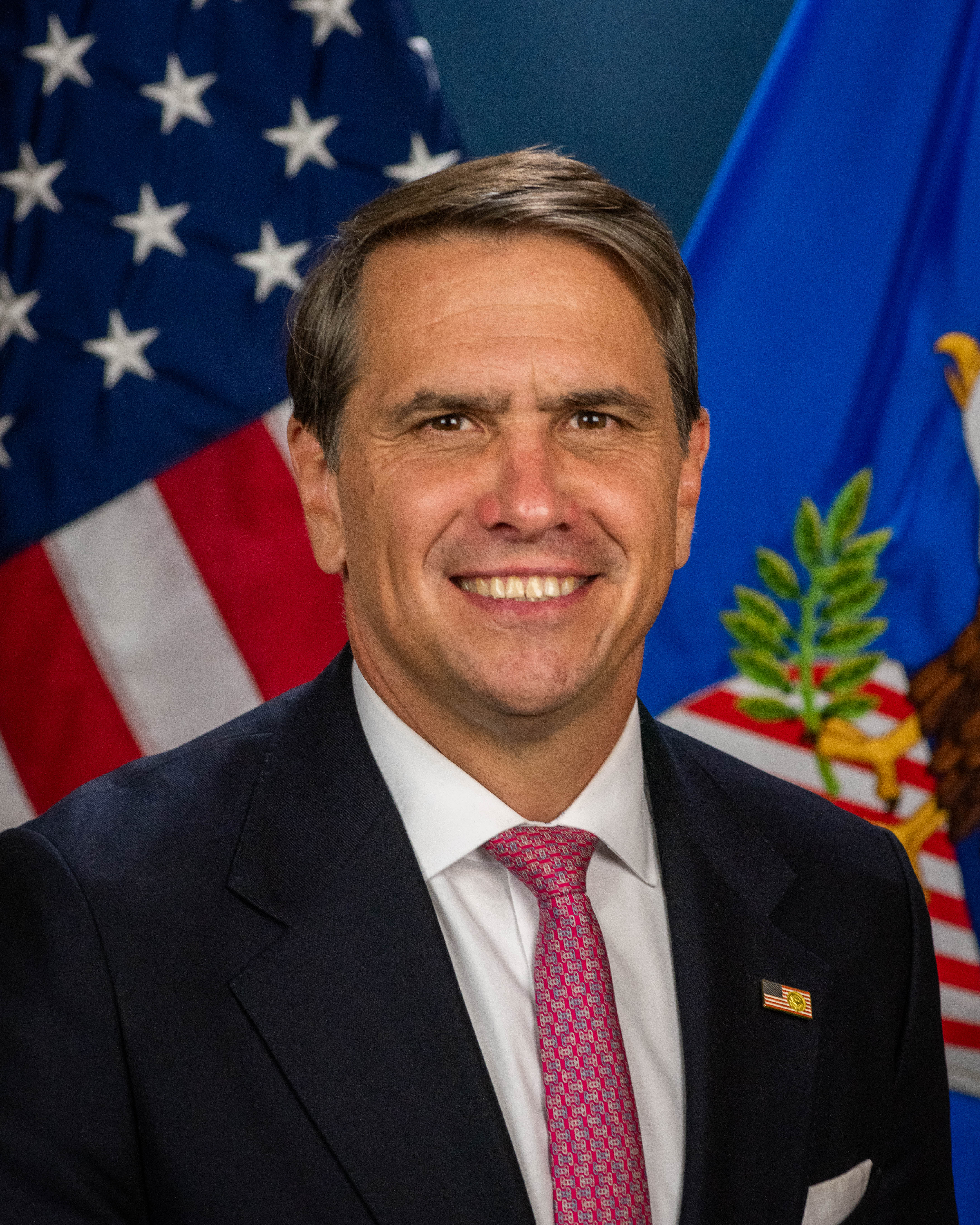
Attorney General Todd Blanche finalized a new federal regulation on August 17, 2026, reopening a process that allows certain federally prohibited individuals to petition the government for restoration of their firearm rights. The Department of Justice announced the rule through the Office of Public Affairs, with AmmoLand and Bearing Arms both reporting on the announcement the same day.
The program has deep roots in federal firearms law. Congress authorized ATF to run a firearms-rights restoration program under the Gun Control Act, but lawmakers cut off funding for that program in the early 1990s, effectively ending it for more than 30 years. The new rule transfers administration of the process from ATF to the Office of the Pardon Attorney — currently headed by Ed Martin — with the Attorney General retaining final decision-making authority over each petition.
Under the final rule, applicants must establish the circumstances that led to their federal prohibition and demonstrate that they are not likely to pose a danger to public safety. Restoration is neither automatic nor guaranteed; the program evaluates individual petitions on the merits rather than applying a blanket policy. Several categories of applicants are permanently barred: anyone with a violent felony conviction or a domestic violence conviction is ineligible regardless of time elapsed. Those with drug trafficking convictions or domestic violence misdemeanor convictions must wait at least ten years after completing their full sentence before applying, while other felony convictions carry a five-year waiting period after sentence completion.
The final rule includes one notable carve-out on the drug prohibition. For purposes of the eligibility assessment, DOJ's definition of "controlled substance" does not include marijuana. As a result, unlawful marijuana use or addiction to marijuana alone does not automatically trigger the drug-user disqualification presumption that applies to users of other controlled substances, though other prohibited-person categories remain independently operative.
The program will roll out in two phases after the Federal Register publication date. Thirty days after publication, DOJ will begin inviting specific candidates to apply. Seventy-five days after publication, the application portal opens to the general public, beginning with the first 5,000 applicants accepted. The application is available at justice.gov/ffrr.
For gun owners and the industry broadly, the FFRR program matters because it creates the first viable federal pathway for a meaningful number of prohibited persons — veterans with dishonorable discharges, individuals with decade-old non-violent felony records, and others carrying permanent prohibitions under current federal law — to pursue a formal process for rights restoration. The key questions going forward are how the Office of the Pardon Attorney weights the public-safety finding in practice, and whether the initial 5,000-application cap will expand as demand for the program becomes clearer.




Comments