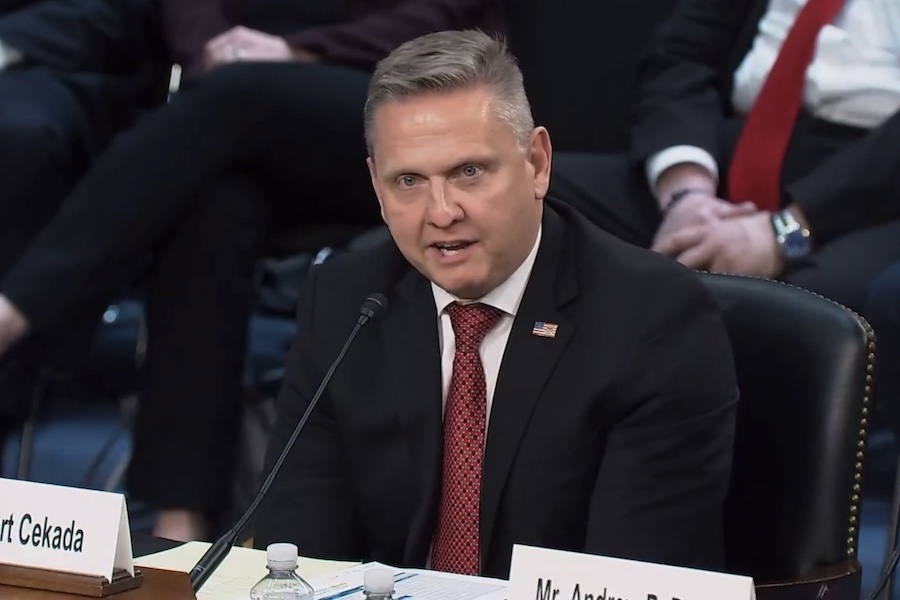
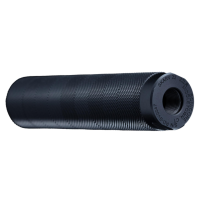
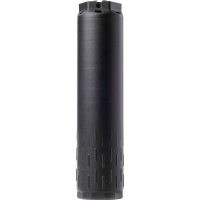
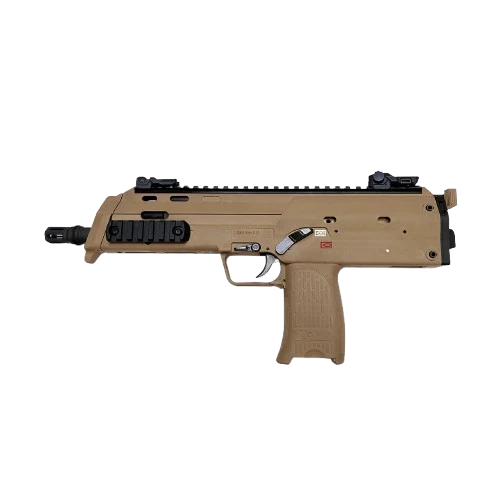
ATF Director Robert Cekada announced via social media on the evening of August 29 that the bureau will issue formal compliance guidance addressing the landmark Jensen v. ATF injunction, and confirmed the agency does not intend to appeal the ruling that struck down the National Firearms Act's registration and approval requirements for suppressors, short-barreled rifles, and short-barreled shotguns. The statement ended weeks of uncertainty for FFL dealers and individual gun owners operating under the injunction without any official direction from the bureau.
The underlying ruling came down August 5 from U.S. District Judge James Wesley Hendrix of the Northern District of Texas, in the consolidated cases of Silencer Shop Foundation v. ATF and Jensen v. ATF. Judge Hendrix held that the NFA's registration and tax-stamp framework for suppressors, SBRs, SBSs, and any-other-weapons could no longer be sustained under Congress's taxing power after the One Big Beautiful Bill Act reduced the transfer and making taxes on those categories to zero. The court issued a permanent injunction, initially stayed pending administrative review, that took effect August 12. The injunction covers the named plaintiff organizations — including the NRA and the Silencer Shop Foundation — along with their members and customers, present and future.
Bearing Arms reported on August 28 that a Kansas congressman had formally written to Cekada demanding the ATF provide clear compliance guidance, citing the confusion the absence of instructions had created for dealers. The following evening, Cekada responded publicly that guidance was imminent and made clear ATF would not pursue FFLs or private citizens acting consistently with the injunction's terms. Shooting News Weekly was among the first to cover Cekada's social media post in detail.
The practical effect for gun owners within the injunction's scope is significant. Dealers and customers covered by the ruling no longer need to submit ATF Form 4 applications, obtain a CLEO signature, or submit fingerprints and photographs as a condition of acquiring a suppressor, SBR, or SBS. Shooting News Weekly noted that the absence of written guidance had produced a patchwork of responses from dealers — some processing paperwork as before, others holding transfers entirely pending clarification. Cekada's announcement effectively validates the second approach: the old paperwork regime is suspended for the covered class.
The Second Amendment Foundation, one of the organizations monitoring the injunction's implementation, has urged gun owners to verify their membership or customer status within one of the plaintiff groups before proceeding without paperwork, to ensure they fall squarely within the injunction's protected class. For individuals and dealers outside the covered organizations, the legal landscape remains unchanged pending any congressional action or additional court proceedings.
Formal written guidance from ATF is expected within the coming weeks. What that document addresses — including dealer-specific obligations around Form 4473 recordkeeping, bound-book entries, and transfer logging for transactions no longer requiring a Form 4 — will be the next decision point for FFLs adapting their compliance programs. The NRA-ILA published a detailed Q&A on the ruling's scope on August 17 that remains the most comprehensive publicly available breakdown for gun owners trying to determine whether they fall within the injunction's terms.
Comments