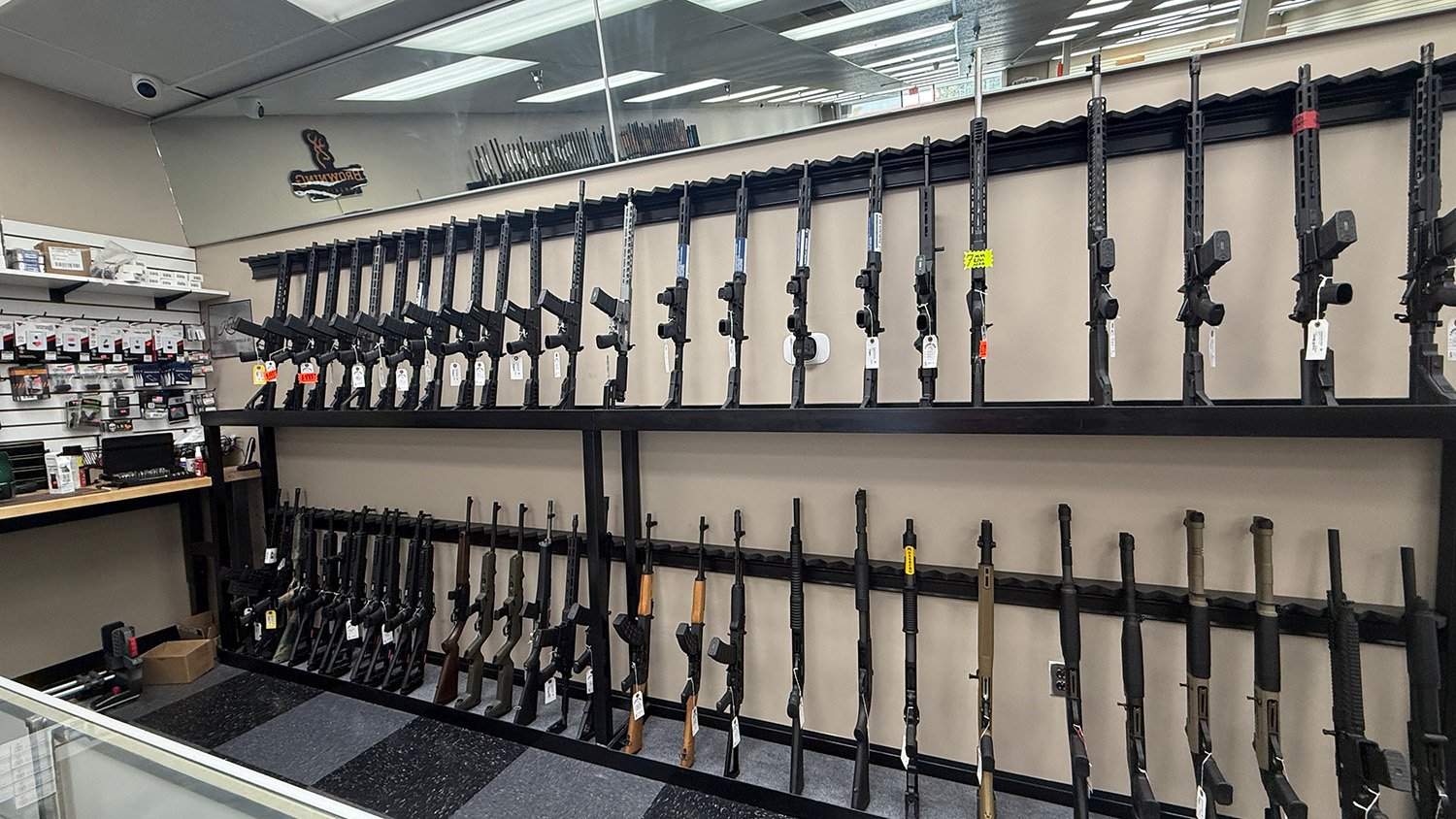
Virginia posted 74,959 adjusted NICS background checks on firearm transactions in May, a 103 percent year-over-year increase that gave the state the fourth-highest firearm sales total in the nation for the month and second place in long gun sales, according to data from the National Shooting Sports Foundation. Guns.com first reported the May figures. The numbers reflect six straight months of double-digit demand growth driven by residents moving to acquire rifles, pistols, and shotguns before the state's July 1 assault firearms ban takes effect on any item the legislature has classified as an "assault firearm."
Nationally, NSSF-adjusted NICS checks came in at 1,105,758 for May, up 3.2 percent over the 1,071,685 recorded in May 2025. Against that modest baseline, Virginia's 103 percent jump stands out sharply. Long guns account for most of the Virginia acceleration, as buyers focus on semi-automatic rifles in the AR-15 class and similar configurations that will be banned from sale in the state on July 1 if no court intervenes. Injunction requests are pending before multiple courts in active challenges by the NRA, SAF, FPC, and NSSF; until a judge issues a stay, dealers are preparing to pull covered inventory from their sales floors at the deadline.
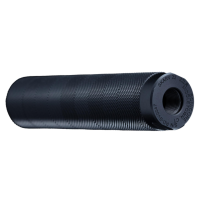
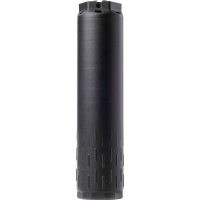
The NFA segment of the national check data continues to tell a different story. Background checks on NFA-regulated items totaled 146,551 in May, up 100.4 percent year-over-year, sustaining the demand surge that followed the elimination of the $200 NFA transfer tax earlier this year. April's NFA figure was higher still at roughly 190,000 checks, up 130 percent year-over-year, and May's result at 146,000-plus suggests that post-elimination demand has settled into a level roughly double the pre-repeal baseline rather than continuing an unconstrained climb. Dealers and distributors have reported that suppressor wait times remain extended, popular models are in tight supply, and manufacturers are running production at or near capacity.
AmmoLand has noted that several states have been cleaning up their suppressor statutes in response to the federal tax change, removing state-level permit requirements that previously added friction to the NFA acquisition process. The combination of a zeroed federal tax and streamlined state law is producing the kind of structural demand shift the industry had projected when the tax repeal advanced through Congress.
For the broader firearms market, the May national figures show stable demand without the panic-buying spikes that characterized 2020 and early 2021. Year-over-year growth has held in the low single digits nationally for most of 2026 outside the NFA category. The suppressor and short-barreled rifle segments remain the clear exception. The June NICS figures — covering the month during which Virginia's ban either takes effect or is stayed by a court order — will be the next major data point for measuring both the ban's market impact and the continued trajectory of NFA demand as the tax-elimination effect matures.


Comments