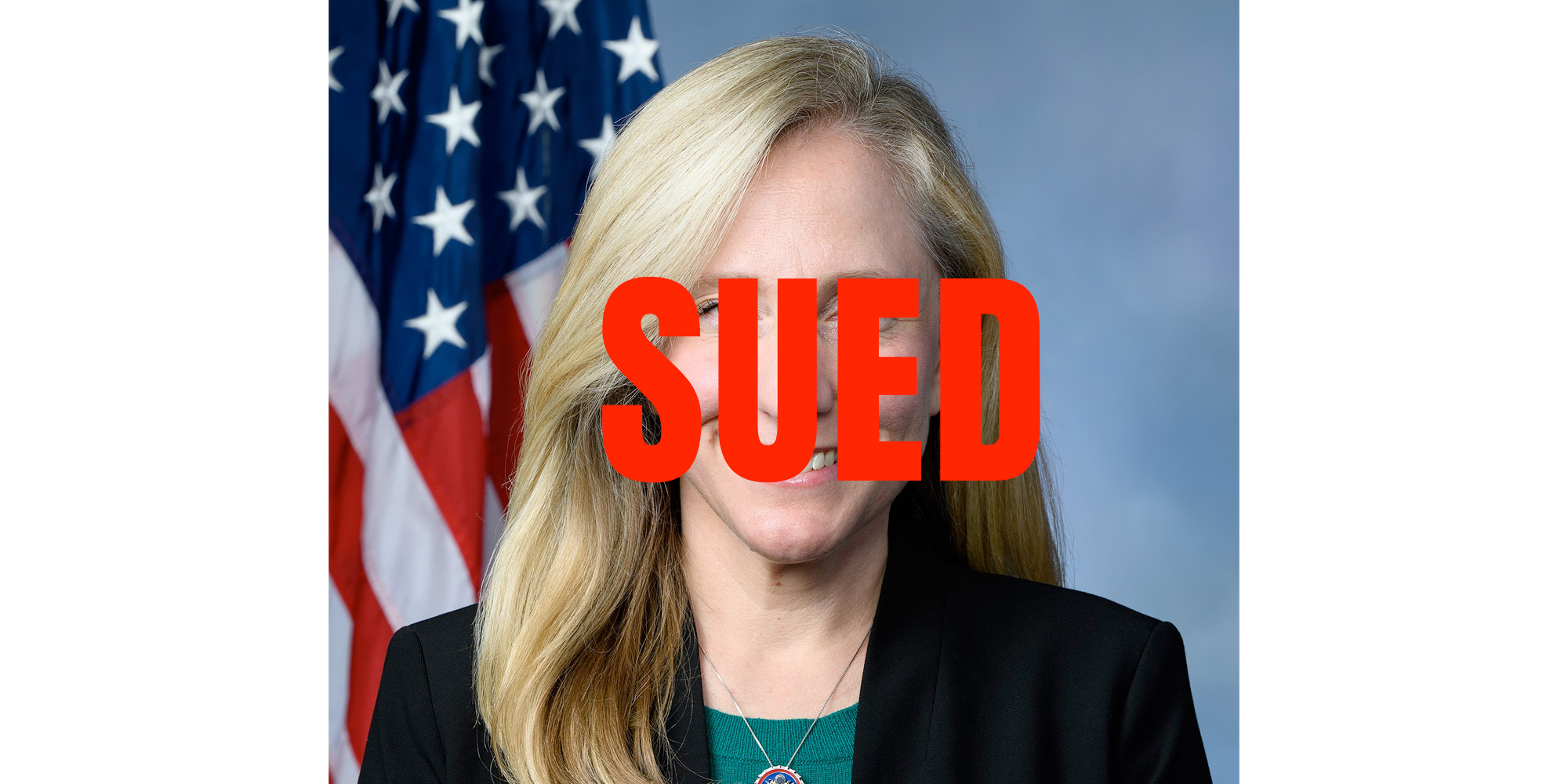
Gov. Abigail Spanberger signed Virginia's "assault firearms" ban into law on May 14, making the commonwealth one of the country's most restrictive states for common semi-automatic rifles, pistols, and shotguns — and AmmoLand News reports that the National Rifle Association, Second Amendment Foundation, and Firearms Policy Coalition filed a federal challenge within minutes of her signature.
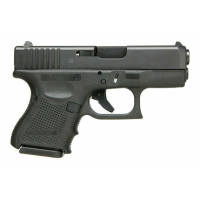
The legislation, originally SB 749 and House companion HB 217, makes it a Class 1 misdemeanor to import, sell, manufacture, purchase, or transfer a broad list of named semi-automatic rifles, pistols, and shotguns, along with any magazine capable of holding more than 15 rounds. The law takes effect July 1, 2026, giving courts less than seven weeks to act before enforcement begins across the commonwealth.
The federal lawsuit, styled McDonald v. Katz, No. 1:26-cv-01305, was filed in the U.S. District Court for the Eastern District of Virginia, Alexandria Division, by NRA, SAF, and FPC alongside two Virginia residents — Justin McDonald of Goochland County and Anthony Groeneveld of Prince William County — as named plaintiffs. Cooper & Kirk attorneys David H. Thompson, Peter A. Patterson, and William V. Bergstrom filed the 24-page complaint, which argues the banned firearms are "ordinary, semiautomatic firearms" in common use and thus squarely protected under the Heller and Bruen framework. The NRA separately filed a state court challenge under the Virginia constitution. Virginia Citizens Defense League and Gun Owners of America also filed in state court — in the Circuit Court for Lancaster County — according to Shooting News Weekly, which reported that a third state-court action backed by the National Shooting Sports Foundation and filed on behalf of firearms retailers and ranges brought the total number of challenges to at least four within 24 hours of the signing.
The federal complaint contends that the firearms listed in Virginia's ban are neither dangerous nor unusual as those terms are understood under Heller, and that the magazine limit sweeps in tens of millions of standard-capacity factory magazines that are widely owned for lawful purposes. The challenge proceeds under a clean Bruen historical-tradition analysis, with Virginia enforcement officials named as defendants.
The Department of Justice was also expected to file its own separate federal action. Assistant Attorney General for Civil Rights Harmeet Dhillon had formally warned Virginia's attorney general in April that the Civil Rights Division would bring litigation if Spanberger signed the bill, and according to Fox News, Dhillon posted "See you in court" on social media shortly after the signing on May 14. A formal DOJ complaint had not been confirmed filed as of May 15, though the commitment appeared firm.
With July 1 less than seven weeks out, the next milestones are TRO and preliminary injunction motions in both federal and state court. Any court seeking to preserve the status quo must act by late June. A ruling from the Eastern District of Virginia is expected to move quickly given the urgency, and will preview how the Fourth Circuit is likely to treat the constitutionality of the ban on appeal.

Comments