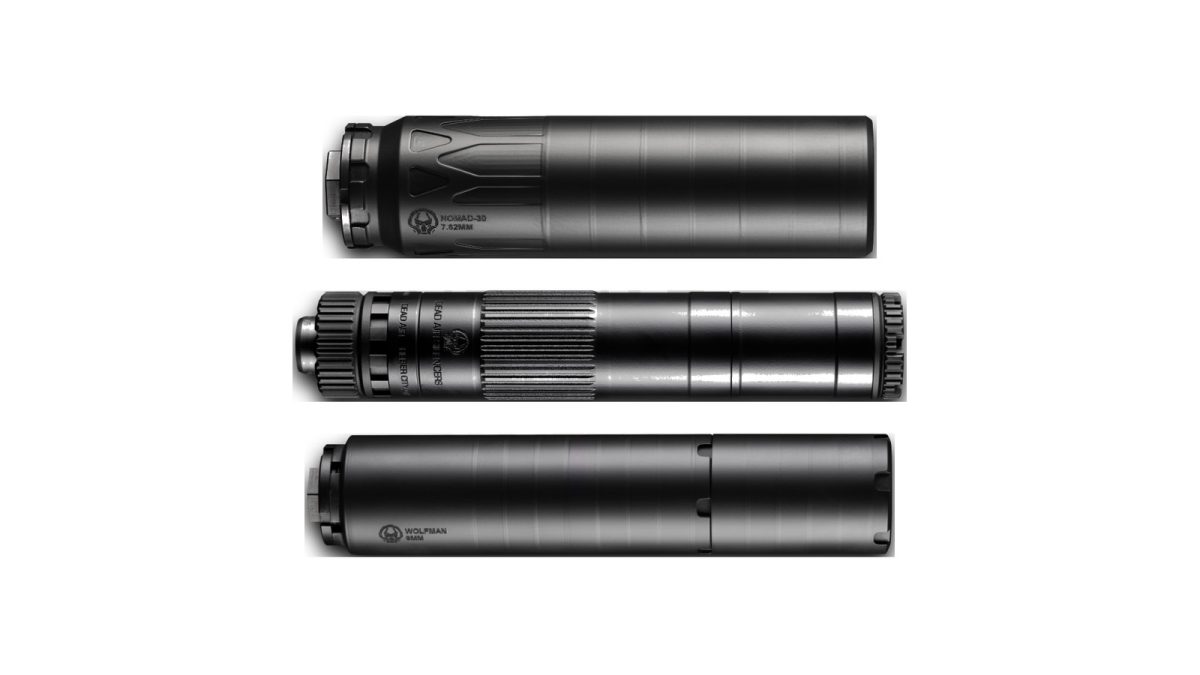
American suppressor manufacturers will clear a long-standing regulatory hurdle on November 20, when most civilian suppressors officially move from State Department jurisdiction under the International Traffic in Arms Regulations to Commerce Department licensing under the Export Administration Regulations. The transition, established by coordinated interim final rules published July 23, is nine days out and represents the most consequential change to suppressor export compliance in decades.
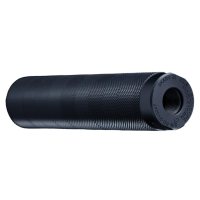
The State Department's Bureau of Political-Military Affairs concluded that suppressors for semi-automatic and non-automatic firearms no longer provide the critical military or intelligence advantage that justified their placement on the United States Munitions List. Those products will move to Export Control Classification Number 0A501.f under the Bureau of Industry and Security's Commerce Control List. Suppressors designed specifically for fully automatic firearms remain on the USML and continue under full ITAR licensing and registration requirements.
The practical significance for domestic manufacturers extends beyond export paperwork. Under 22 CFR 122.1, any company manufacturing ITAR-controlled items has been required to register with the State Department, regardless of whether it has ever exported a single unit. After November 20, manufacturers of semi-automatic and non-automatic suppressors should no longer face that registration obligation. The National Shooting Sports Foundation, which had long advocated for the transfer, argued that ITAR compliance costs — registration fees, licensing requirements, and attorney overhead for routine commercial transactions — had made ordinary suppressor exports economically unworkable for most small and mid-sized American manufacturers competing in markets where suppressor ownership is legal and routine.
Trade compliance attorneys at TLR and KPMG have published client alerts noting that companies with mixed product lines — those building suppressors for both semi-automatic and fully automatic platforms — will need to audit their product catalogs and maintain separate compliance programs for USML and EAR items going forward. The transition requires not just updating export documents but reclassifying products, revising technology control plans, and reviewing any existing export licenses that may need to be re-issued under the new framework.
For gun owners in the United States, the November 20 date changes nothing about how to purchase or possess a suppressor. The National Firearms Act, federal registration, and the existing dealer transfer network remain unchanged. The transfer tax, which went to zero at the start of 2026, was a domestic policy change; the USML removal is an export licensing change. Suppressor dealers report that the elimination of the NFA transfer tax has already driven a meaningful increase in sales volume through the first three quarters of this year, and the export deregulation adds a separate long-term benefit for manufacturers rather than an immediate pricing impact for domestic buyers.
What American manufacturers gain on November 20 is the ability to service commercial markets in countries like New Zealand, France, Norway, and Finland, where suppressors are sold through licensed dealers without the full overhead of an ITAR compliance program. The suppressor manufacturing sector today is overwhelmingly domestic-sales-driven, but the lighter compliance overhead under the EAR opens realistic export pathways that ITAR effectively closed for most of the industry.
Watch for further Bureau of Industry and Security guidance on license exceptions available under ECCN 0A501.f, particularly any clarifications on the scope of EAR firearms license exceptions as applied to suppressor-specific transactions.

Comments