
Sturm, Ruger & Co. reported third-quarter 2026 net sales of $147.6 million on November 4, up 16.5 percent from $126.8 million in the year-ago period, delivering the company's clearest financial recovery in several years. Diluted earnings per share reached $0.36 against $0.10 a year earlier, and adjusted earnings per share came in at $0.44. The company declared a third-quarter dividend of $0.18 per share.
The quarterly results arrived alongside the full context of Ruger's October operational announcements. On October 14, the company told distributors it was suspending production of four revolver families immediately — the LCR, SP101, GP100, and Bearcat — and running out final production on 15 additional model families before year-end. The models entering end-of-year production runs include the SR1911, Blackhawk, Super Blackhawk, Vaquero, Redhawk, Super Redhawk, Ruger No. 1, the 77-Series bolt guns, the Hawkeye, and the Ruger Precision Rifle, among others. CEO Todd Seyfert has taken pains in every public statement to distinguish suspension from permanent discontinuation, describing the realignment as the core of a Ruger 2030 strategy built around profitability over breadth. A future GP100 or Blackhawk is possible, Seyfert has said, but no return timeline has been announced.
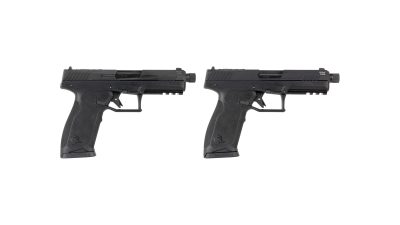
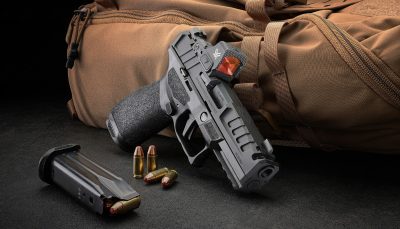
Once current production runs clear, Ruger's revolver catalog will narrow to the Wrangler and Super Wrangler single-action rimfires. The rifle side retains the American Rifle and American Rimfire families, the Ruger Precision Rimfire, the 10/22, the Mini-14, and the Harrier, the company's AR-platform replacement that supplanted the discontinued AR-556 at the start of this year. On the pistol side, the RXM polymer-frame line, launched in late 2025, carries the company's semi-automatic future. Concentrating manufacturing capacity on a smaller set of high-velocity SKUs is explicitly intended to improve per-unit margins that had been pressured for several years by a wide product catalog and rising input costs.
FinViz noted in its analysis of the quarterly report that while the year-over-year profit rebound is genuine, Q3 revenue and earnings slipped slightly from Q2's stronger levels, suggesting that some near-term sales strength may reflect elevated distributor restocking rather than a straight-line consumer recovery. Ruger produced approximately 434,300 firearms during the quarter, which Seyfert described as a near-term production record, suggesting the remaining lines are running at high utilization.
Adding context to the story is Beretta Holding S.p.A., which now owns approximately 25 percent of Ruger's outstanding shares following the completion of its partial tender offer at $44.80 per share on October 15. Beretta's offer drew approximately 6.1 million tendered shares against a cap of approximately 2.4 million, and final acceptance ran at a proration factor of roughly 39 percent. Reuters and other business outlets covered the FTC's approval of the arrangement, which included a consent order barring Beretta-affiliated individuals from board service. A Strategic Cooperation Agreement between the two companies includes a standstill clause running into 2029 and a commitment from Beretta not to pursue proxy contests during that period.
Whether Ruger's portfolio pruning produces the margin improvement Seyfert has projected will become clearer in Q4, when the first full quarter reflecting the suspended model lines rolls up. Watch for guidance updates at the Q4 earnings call, expected in early February, and for any communication from management on the timeline for evaluating which suspended models, if any, may return to production.
Comments