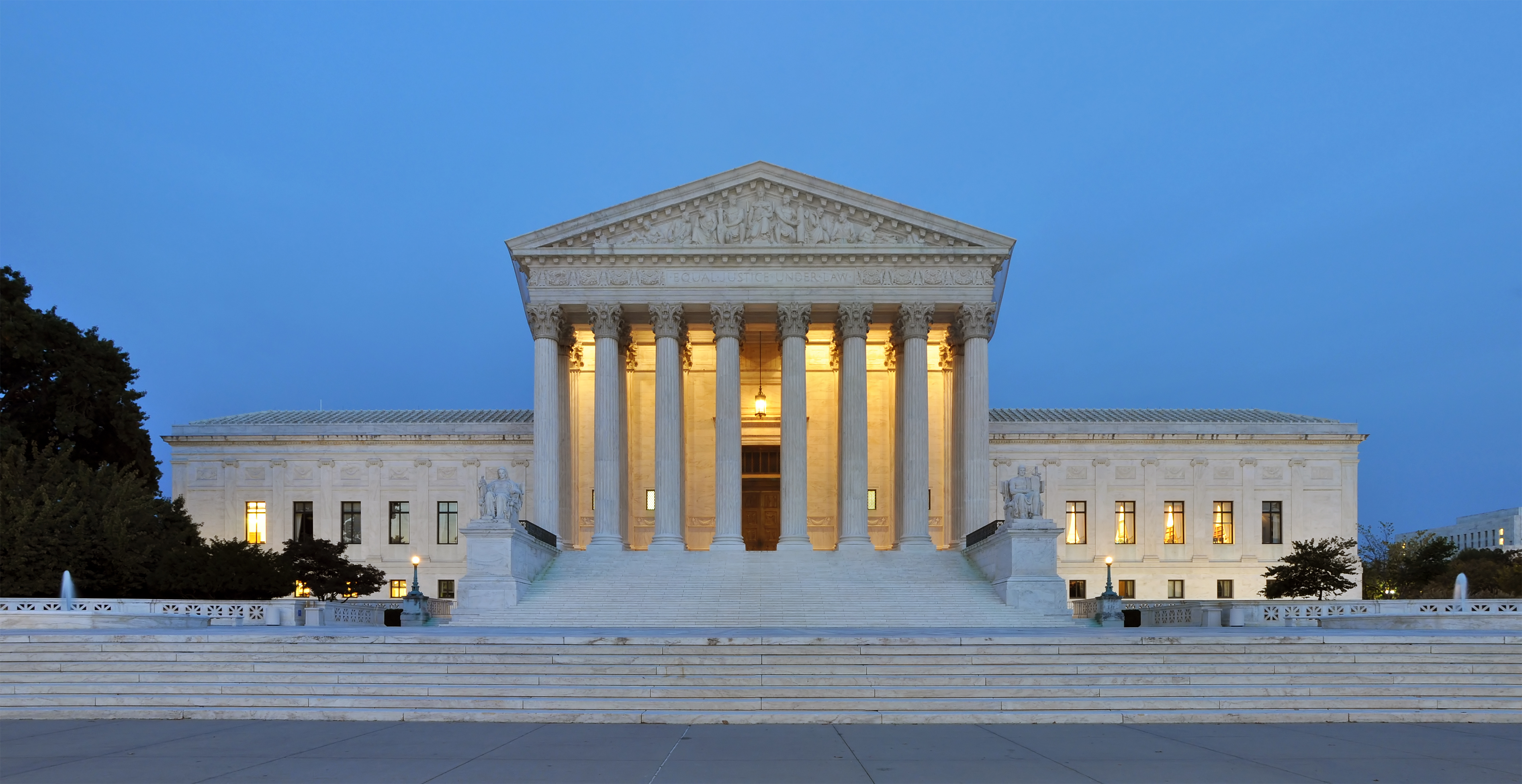
The Supreme Court on June 18 issued a unanimous 9-0 ruling in United States v. Hemani, holding that the federal government cannot automatically revoke Second Amendment rights from a person solely because they use marijuana. The decision, authored by Justice Neil Gorsuch, affirms a Fifth Circuit dismissal of federal firearms charges against Ali Danial Hemani, a Texas man who told federal agents during a 2022 search that he used marijuana "about every other day."
The case began when federal agents searched the Hemani family home during an investigation. Hemani cooperated fully, pointing agents to both a pistol he kept in the house and a quantity of marijuana on the property. The Justice Department charged him under 18 U.S.C. § 922(g)(3), the "unlawful user" provision that bars controlled-substance users from possessing firearms. Prosecutors did not allege that Hemani was impaired while handling the firearm or that he posed any specific danger — the charge rested entirely on his status as a regular user.
Applying the historical-analogy framework from the Court's 2022 Bruen decision, Gorsuch found that the government's proposed historical analogues were too remote to justify automatic, status-based disarmament without any showing of dangerousness. The ruling is deliberately narrow: the Court left open prosecutions of addicts or individuals who possess firearms while actively intoxicated, and noted that Congress could craft more targeted legislation. But the holding is unmistakable — casual drug use alone, without evidence of actual public danger, cannot strip a citizen of the right to keep and bear arms.
All nine justices agreed on the outcome, though through varying rationales. Justice Samuel Alito, joined by Justice Elena Kagan, wrote separately that the government's historical argument was "too far afield" and declined to say more. Justice Clarence Thomas concurred but suggested the "unlawful user" provision may exceed Congress's enumerated commerce power entirely — a broader constitutional argument the majority declined to reach. Justices Ketanji Brown Jackson and Sonia Sotomayor concurred in the judgment while raising objections to Bruen's historical-analogy methodology, which they have consistently criticized as difficult to apply consistently.
AmmoLand News described the decision as a direct repudiation of automatic status-based disarmament without proof of dangerousness. For lawful gun owners, the practical effect is significant: a person who uses marijuana recreationally but otherwise owns, stores, and handles firearms responsibly cannot be prosecuted under § 922(g)(3) based on drug-user status alone. With marijuana now legal to some degree in approximately 40 states and reclassified federally from Schedule I to Schedule III, the ruling further weakens the legal foundation for the drug-user prohibition as currently written.
Second Amendment organizations that filed briefs supporting Hemani — including the Firearms Policy Coalition and the Second Amendment Foundation — are expected to cite the ruling in challenges to other § 922(g)(3) prosecutions. Federal prosecutors will need to reassess pending cases that rest solely on drug-user status without evidence of active intoxication or specific dangerousness. The next question is whether Congress will attempt to rewrite the statute into a constitutionally durable form, or whether the lower courts will continue narrowing its reach case by case in the wake of today's decision.






Comments