The National Shooting Sports Foundation's June 2026 background check data, released Monday, shows that the market for NFA items is running at a pace that would have been hard to project even a year ago. NFA background checks totaled 166,677 in June, according to AmmoLand, which covers the NSSF's monthly releases — an increase of 177.1 percent over the 60,147 NFA checks processed in June 2025 and nearly three times that month's volume.
The NSSF-adjusted National Instant Criminal Background Check figure for June came in at 1,123,006, up 11.7 percent from the adjusted June 2025 figure of 1,004,986. The NSSF-adjusted number strips out permit renewals and administrative checks to more closely track actual firearm transfer activity. The unadjusted FBI NICS figure was 1,886,539, a slight year-over-year decline of 1.2 percent from June 2025's 1,909,294, reflecting the broader pool of non-transfer checks the raw number captures.
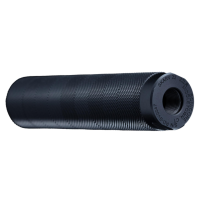
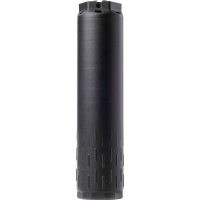
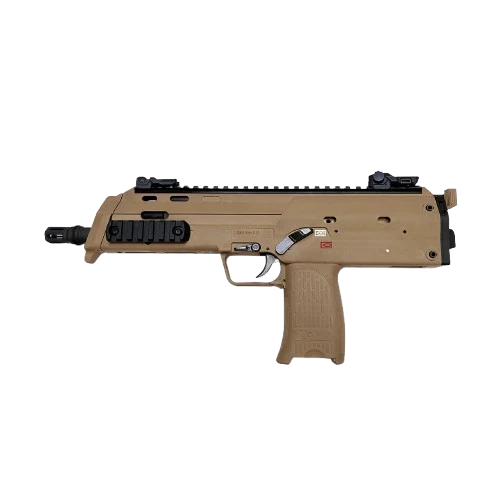
The NFA surge has been a consistent theme across 2026. Congress zeroed out the $200 federal transfer tax on suppressors, short-barreled rifles, and short-barreled shotguns earlier this year, removing the single largest upfront cost in the NFA buying process. The American Suppressor Association had previously forecast that total Form 4 applications for 2026 were on pace to double against 2025 levels, and monthly data through June supports that projection. April saw NFA background checks hit 190,000 — the highest single-month total on record at the time, according to earlier AmmoLand reporting. June's figure of 166,677 remains well above any pre-tax-cut monthly benchmark.
Suppressor manufacturers and distributors have been direct beneficiaries of the shift. Dealers who previously avoided NFA transfers because of administrative complexity and lengthy customer wait times have increasingly added suppressor inventory to their cases as eForm 4 approvals have compressed from months to days under the ATF's current processing pace. That turnaround improvement compounds demand by reducing the friction that had historically made suppressor buying unattractive for first-time buyers and impulse purchasers alike.
The overall firearm sales picture is more measured. The NSSF-adjusted figure's 11.7 percent year-over-year gain reflects genuine growth in transfer activity, while the slight dip in the raw FBI number reflects a base-effect comparison against a June 2025 that included elevated permit-processing volume in several high-count states. Dealers report that the NFA category is absorbing shelf space and revenue that previously went to standard firearm stock, with some retailers saying suppressor attach rates on new gun sales have climbed sharply since the tax change.
NSSF releases adjusted NICS data in the first week of the following month. July figures will offer the next reading on whether NFA demand is sustaining its pace as the calendar moves into the fall retail season — historically the strongest quarter for firearm and accessory sales. If the trajectory through June holds, 2026 is on pace to set new annual records for NFA-item registrations by a wide margin.
Comments