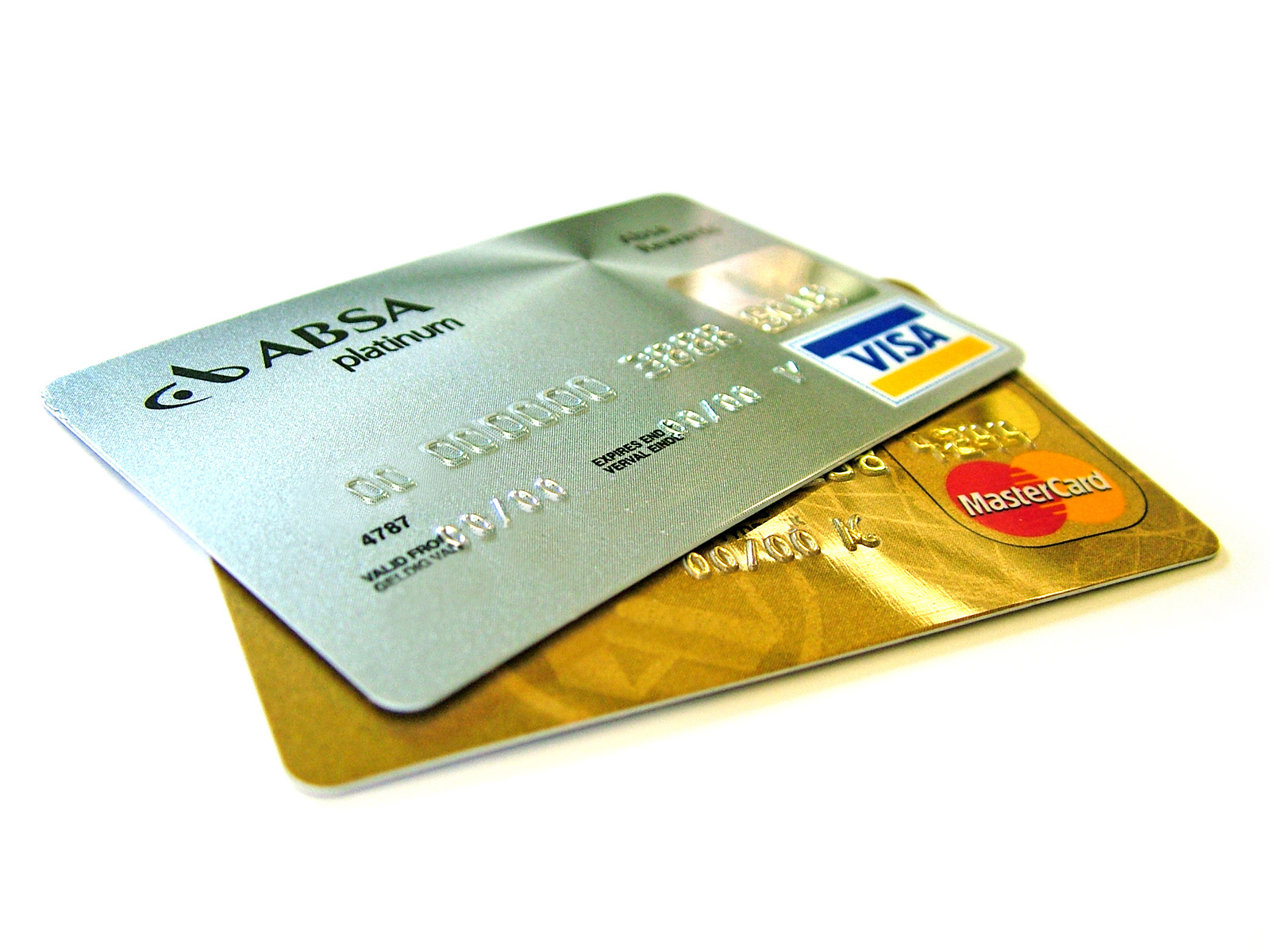
The U.S. House passed H.R. 1181, the Protecting Privacy in Purchases Act, on July 14 by a 221–201 bipartisan vote, sending to the Senate legislation that would prohibit payment card networks from assigning firearms-specific merchant category codes to gun retailers. The NRA-ILA reported on the passage the same day, calling it a significant step toward dismantling a practice the gun industry has characterized as a private-sector gun registry.
The bill addresses a practice that the firearms industry and privacy advocates have argued functions as a de facto gun registry built and maintained by the financial sector rather than the government. Merchant category codes — four-digit identifiers that payment networks assign to every retailer — are ordinarily used by banks and card networks to classify transactions for rewards, fraud screening, and accounting purposes. In 2022, the International Organization for Standardization published a dedicated firearms-retailer MCC at the urging of gun-control groups, and several large banks and card networks moved to implement it. Critics of the code argued from the outset that flagging every firearms purchase from a federally licensed dealer amounted to a warrantless financial surveillance program targeting lawful commerce in a constitutionally protected product.
H.R. 1181 would bar payment card networks from requiring firearms retailers to use any MCC that distinguishes them from general-merchandise or sporting-goods retailers. It would also bar financial institutions from assigning a separate, firearms-specific code to FFLs. The legislation was introduced by Representative Riley Moore of West Virginia and had 132 cosponsors going into the floor vote, including original cosponsors Representative Andy Barr of Kentucky and Representative Richard Hudson of North Carolina, who chairs the National Republican Congressional Committee.
The firearms industry has fought the MCC on multiple fronts. Several states — including Texas, Montana, and Florida — passed laws prohibiting state-chartered banks and in-state card processors from implementing the code. Congress's action would extend that protection nationally and reach federal institutions and national card networks that operate across state lines, filling the gaps that individual state statutes cannot close.
With the bill now in the Senate, attention turns to floor scheduling and whether Senate leadership will bring it to a vote before the recess calendar tightens. The NRA, Gun Owners of America, and the National Shooting Sports Foundation each backed the House version. A companion Senate bill has been in committee; advocates expect the House passage to accelerate that process and increase pressure on senators in competitive states.



Comments