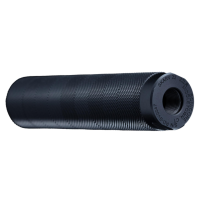
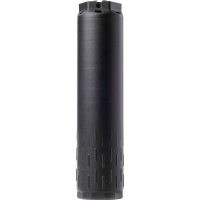
A three-judge panel of the Fifth Circuit Court of Appeals ruled June 18 that suppressors are "Arms" protected by the Second Amendment, issuing a landmark holding in USA v. Comeaux, No. 24-30307 that puts the Fifth Circuit at direct odds with the Ninth Circuit on one of the most contested questions remaining in NFA litigation.
The case centered on Brennan Comeaux, a Louisiana man convicted under 26 U.S.C. § 5861(d) for possessing an unregistered silencer. Writing for the panel — joined by Judges Edith Brown Clement and James L. Duncan — Judge Jerry E. Smith upheld the conviction but drew a constitutional distinction that Second Amendment advocates have long sought from a federal court. "Though silencers are Second Amendment 'Arms,' because Comeaux has not alleged that the NFA's shall-issue regime has been put toward abusive ends, he has not shown that § 5861(d) burdens his Second Amendment rights," Smith wrote. The ruling treats the NFA's registration framework as a shall-issue system that is constitutional only so long as it is not weaponized against lawful users — through excessive fees, indefinite delays, or discriminatory denials.
That holding lands on the opposite side of the Ninth Circuit's June 3 decision in United States v. DeBorba, which held that suppressors are not arms at all because they function as accessories rather than instruments of offensive or defensive action. Two federal appellate courts reached opposite conclusions on the same constitutional question within 15 days of each other, a circuit split that makes Supreme Court review of the issue considerably more likely.
AmmoLand News and The Reload both covered the ruling in detail in the days following the opinion. The practical significance of Comeaux runs well beyond the defendant's conviction. Under the Fifth Circuit's framework, a suppressor owner challenging the NFA could prevail by demonstrating that the shall-issue system has been administered abusively — a showing that might be available if a future administration imposed unreasonable processing times, discriminatory denials, or fees that effectively priced out the right. The court declined to strike the registration requirement outright, but the logic leaves that door clearly open for future challenges.
Gun rights groups noted that the ruling reinforces the constitutional theory underlying Brown v. ATF, currently pending in the Eastern District of Missouri. In that case, the Firearms Policy Coalition, the Second Amendment Foundation, and the NRA argue that by zeroing out the $200 NFA transfer tax under the One Big Beautiful Bill Act, Congress stripped the NFA registration requirement of its taxing-power justification. Chief District Judge Stephen R. Clark has scheduled oral argument on cross-motions for summary judgment in that case for June 25, one week from today.
The DeBorba–Comeaux split also sets up a potential collision at the Supreme Court. The Ninth Circuit treats suppressors as non-arms. The Fifth Circuit treats them as arms but leaves the registration requirement standing under a shall-issue theory. A SCOTUS grant on either circuit's reasoning would force the justices to weigh in on both questions simultaneously — the constitutional status of suppressors and the limits of permissible NFA regulation — potentially in the same term as Wolford v. Lopez, the Hawaii carry case still awaiting decision.
Comments