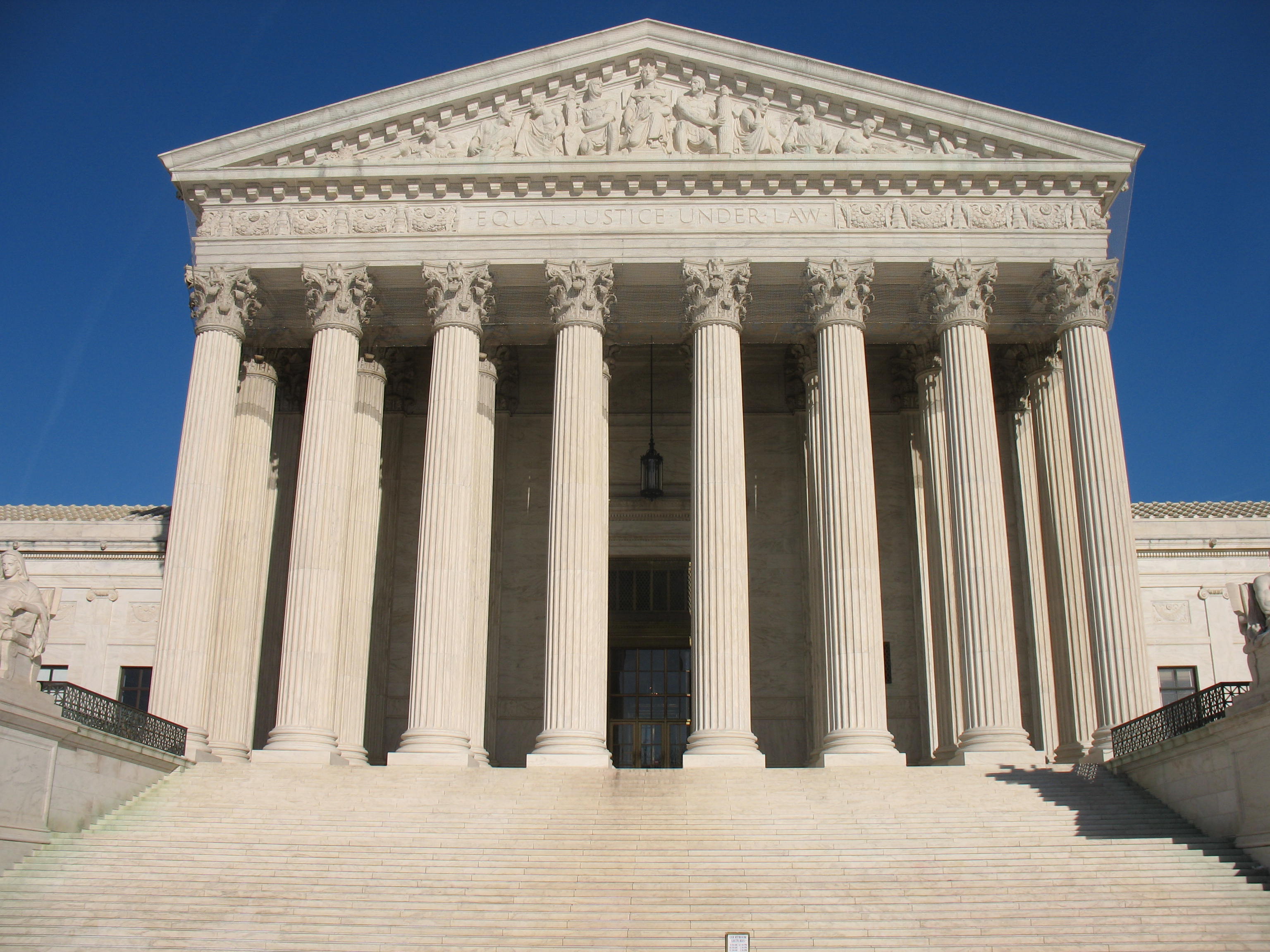
The Supreme Court convened its annual Long Conference on September 29, working through a summer-long backlog of accumulated petitions with a record-setting Second Amendment docket waiting. Bearing Arms reported on the scale of the firearms-law caseload the previous day: 57 gun-related cases are before the justices at this year's conference, the most Second Amendment-focused Long Conference docket since the Court issued New York State Rifle & Pistol Association v. Bruen in 2022. The Daily Caller also previewed the conference, noting that no equivalent accumulation of firearms petitions has landed at the Court in a single conference in the post-Bruen era.
The dominant thread running through the docket is the constitutionality of 18 U.S.C. § 922(g)(1), the federal statute that permanently bars anyone convicted of a felony punishable by more than one year in prison from possessing a firearm or ammunition. Thirty-nine of the 57 pending cases challenge that provision — either on its face or as applied to individual defendants whose underlying felony convictions were non-violent in nature. The central constitutional question unifying most of those petitions is whether the federal government may permanently disarm a citizen on the basis of a non-violent felony conviction without any judicial finding that the individual poses an actual danger to the public. That question has split the federal circuits in the years since Bruen replaced the two-step interest-balancing test with a text-and-history framework for evaluating firearms regulations.
Three additional cases on the Long Conference docket ask whether the Constitution protects civilian access to machine guns — a question lower courts have reached inconsistent conclusions on since Bruen established that firearms regulations must be grounded in the historical tradition of the founding era. Three more petitions challenge 18 U.S.C. § 922(g)(3), the separate federal prohibition on firearm possession by unlawful users of controlled substances. The Supreme Court addressed an adjacent provision of § 922(g) in its 2024 Rahimi decision, and the drug-user cases present the Court with an opportunity to clarify how far Rahimi's historical-tradition reasoning extends across the statute's other categorical disarmament provisions.
What happens at a Long Conference matters because it sets the table for the October Term that follows. The Court does not announce its grants or denials the same day — justices deliberate in private and orders typically come out in the following week's release. If the Court grants certiorari on even one of the 39 felon-in-possession petitions, it will take up the most consequential Second Amendment case since Bruen, one that could either limit or expand the government's authority to permanently strip gun rights from tens of millions of Americans who have felony records.
The October 2026 Term is already carrying a loaded AR-15 docket, with oral argument in the consolidated assault-weapons ban cases scheduled for December 2. The Long Conference firearm cases, if granted, would add a further set of landmark Second Amendment questions to a Term that is shaping up to be the most significant for gun rights since Bruen itself.



Comments