
The Bureau of Alcohol, Tobacco, Firearms and Explosives' annual Firearm Commerce in the United States Statistical Update shows the number of Type 01 Federal Firearms Licensees — the license category covering standard retail gun shops — has fallen from 52,993 in 2021 to 46,072 in 2025, a drop of roughly 6,900 dealers across four years. Bearing Arms reported on the figures on July 26, drawing attention to a trend that the ATF's own data show has continued without interruption for nearly a decade. Type 01 FFLs peaked at 56,074 in 2016 and have declined every year since.
The pipeline feeding new license applications is compressing at the same time. New FFL applications submitted annually fell from 7,445 in 2021 to 4,160 in 2025 — a 44 percent reduction in would-be entrants over four years. The math is straightforward: if the number of shops opening each year falls faster than existing shops close, the net count erodes steadily even in years when demand for firearms stays relatively stable. Type 02 FFLs, which cover pawn dealers authorized to handle firearm transfers, track the same downward trajectory.
The retreat from retail licensing reflects several overlapping pressures. Firearm sales have normalized from the pandemic and civil-unrest peaks of 2020 and 2021, when the industry logged record background check volumes. The RetailBI Q1 2026 Shooting Sports Retail Trends Report found firearm unit sales down 7.6 percent in the first quarter of 2026 compared to the same period in 2025. Revenue compression hits small dealers hardest, and holding an active FFL requires ongoing compliance costs regardless of transaction volume.
Regulatory burden accounts for part of the attrition. The Biden-era expansion of the "engaged in the business" rule under the Gun Control Act imposed additional documentation and inspection requirements that fell most heavily on low-volume dealers and kitchen-table FFLs. A federal court vacated that rule in June 2026 — ruling its broad application unlawful — but the chilling effect had already run through the licensing base for more than two years before the court's decision. American Rifleman has tracked the FFL count decline across multiple reporting cycles, specifically noting the disproportionate impact on rural communities where a single dealer may provide the full range of licensed services — transfers, NICS checks, NFA form processing — for a wide geographic area.
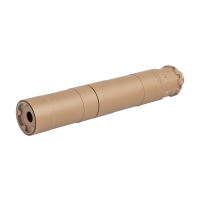
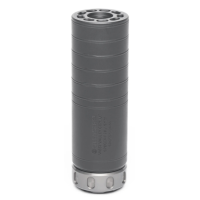
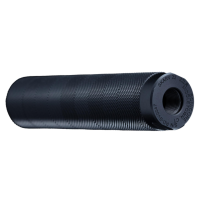
Suppressor demand is one outlier in the otherwise soft retail picture. The same RetailBI report that showed firearm unit sales down in Q1 2026 found suppressor category sales up 53.1 percent, driven by the tax-stamp elimination that took effect in January 2026. That volume is concentrating at established specialty dealers rather than creating conditions for new entrants.
Whether the current administration's stated commitment to reducing ATF inspection burden and revisiting enforcement priorities for small FFLs materializes into stabilization of the licensing count is the near-term question for the industry. The next ATF Statistical Update, expected to cover 2026 license data, will be the clearest early indicator of whether the regulatory posture shift has slowed the attrition.


Comments