
The Ohio General Assembly passed Senate Bill 214 and sent it to Governor Mike DeWine, who now has 10 days to sign, veto, or allow the measure to become law without his signature. The bill removes suppressors, short-barreled rifles, and short-barreled shotguns from Ohio's "dangerous ordnance" classification, stripping a layer of state-level restriction that sits on top of federal law and that Ohio gun owners have worked to repeal for years. GunsAmerica reports that the Senate had earlier passed the measure 31-to-1 in a bipartisan vote; the full legislature completed work on the bill in the week of November 10.
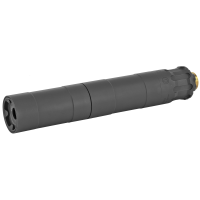
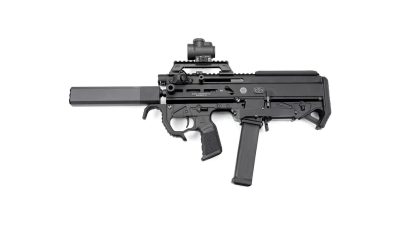
Under current Ohio statute, suppressors and short-barrel firearms fall within the "dangerous ordnance" designation, which restricts acquisition, possession, carrying, and use in ways that extend well beyond what federal law requires. SB 214 would take those items out of that category outright. Ohioans who go through the standard federal process — buying from a licensed dealer, completing a Form 4473, and passing a NICS check — would face no additional state-law obstacle. For suppressors and SBR owners who benefited from the ATF's October 2026 decision to end NFA registration requirements, the new state law would remove any parallel exposure under Ohio's separate dangerous-ordnance statutes.
The Sportsmen's Alliance, a Columbus-based hunting and shooting rights organization, supported the bill throughout the session, calling it a measure that "modernizes Ohio law to reflect both federal practice and the rights of Ohio's hunting and sporting communities." The National Rifle Association Institute for Legislative Action also backed the reform, which has been in various forms before the Ohio legislature for several sessions. Opposition came mainly from law-enforcement representatives; Hamilton County Sheriff Charmaine McGuffey wrote to the governor urging a veto, arguing the change could complicate investigations. AmmoLand notes that law-enforcement groups cited similar concerns when Indiana and Tennessee undertook comparable reforms — both of which were signed into law without the predicted complications.
If DeWine signs, the law would take effect 90 days after filing with the Ohio secretary of state, putting implementation in the first quarter of 2027. If he allows it to become law without signature, the same timeline applies. A veto would return the bill to the legislature for a potential override vote. Gun owners and industry observers watching DeWine's decision note that Ohio has been moving broadly in a pro-Second Amendment direction since the repeal of its permitless-carry restriction in 2022, and the governor signed that legislation as well.
Ohio gun owners and dealers should watch for a signing announcement or a formal veto in the coming days. If the bill takes effect as written, suppressor retailers in particular are expecting a surge in Ohio-based interest, given how dramatically NFA accessory sales have climbed nationally since federal registration requirements were lifted.

Comments