
The House Appropriations Committee released its fiscal year 2027 Commerce, Justice, Science spending bill last week containing a $285 million cut to ATF's budget and riders that would remove suppressors and short-barreled rifles and shotguns from the National Firearms Act's registration framework entirely. Bearing Arms first reported the bill's gun-related provisions on April 29.
The committee set ATF's Salaries and Expenses at $1.3 billion for FY2027. President Trump had requested $1.65 billion for the bureau, and House Republicans countered by cutting that figure by $285 million and loading the bill with pro-gun riders. According to USA Carry, the bill also conditions 40 percent of ATF's funds on the agency keeping NFA application processing times within 120 days for paper applications and 60 days for electronic submissions — a direct financial lever designed to accelerate the backlog of Form 4 applications that surged after Congress zeroed out the $200 NFA transfer tax in the One Big Beautiful Bill Act.
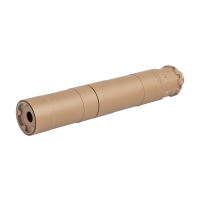
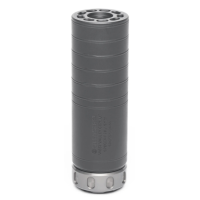
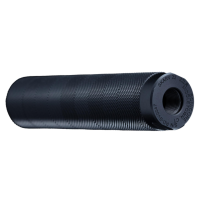
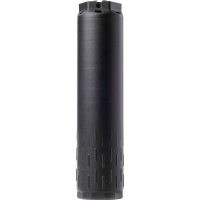
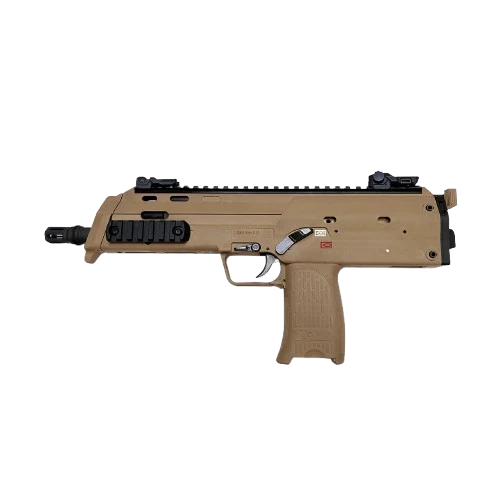
The NFA deregulation rider goes further than the tax stamp repeal alone. The appropriations language would prohibit ATF from requiring NFA registration for suppressors and short-barreled firearms. With the $200 transfer tax already at zero, stripping the registration requirement would effectively take those two item categories out of the NFA regulatory framework and treat them like standard Title I firearms under the Gun Control Act — no Form 4, no NFA wait, no registry entry required.
The bill also prohibits ATF from digitally scanning out-of-business FFL records, which gun rights groups have long argued feeds a de facto registry of lawful gun purchases. Under the proposal, all Biden-era ATF rules would be defunded, the proposed merger between ATF and the DEA would be rejected, and no federal funds could be used for government gun buyback programs. The House Appropriations Committee released the bill text and summary alongside a press release on April 24.
The combination of budget pressure, NFA deregulation, and registry prohibition represents the most aggressive legislative posture Congress has taken on ATF's structural authority in years. Where executive-branch rule changes can be reversed by a future administration, appropriations riders must be re-litigated each budget cycle — making them a more durable tool for reshaping the agency's footprint even if the White House changes hands.
The bill still needs to pass the full House before moving to the Senate, where the NFA provisions and the scale of the ATF budget cut are expected to face resistance. Conference negotiations will determine which riders survive to final passage. Industry groups and Second Amendment organizations are expected to lobby aggressively for the suppressor and SBR deregulation language in particular, viewing it as the most consequential NFA reform available through the spending process.

Comments