
The U.S. Court of Appeals for the Eleventh Circuit ruled April 21 that the Second Amendment does not protect machine gun conversion devices — the switches sold illegally to convert striker-fired pistols to fully automatic fire — in a published opinion affirming the federal conviction of Florida resident Maxon Alsenat. USA Carry reported on the decision, which applied the legal tests from District of Columbia v. Heller and New York State Rifle & Pistol Association v. Bruen to conclude that such devices fall in the category of "dangerous and unusual weapons" that the Second Amendment does not reach.
Alsenat was indicted under 18 U.S.C. § 922(o) — the federal machine gun possession prohibition — after selling three conversion devices to an undercover ATF agent for $1,500 in June 2023. He appealed his conviction on Second Amendment grounds, arguing the machine gun ban could not survive post-Bruen scrutiny. The Eleventh Circuit disagreed. The panel applied Heller's holding that the Second Amendment protects arms in "common use" for "lawful purposes" and found conversion devices designed to transform semi-automatic pistols into machine guns are not within that definition. Because Alsenat raised what the court characterized as a facial challenge — requiring him to show the statute was unconstitutional across virtually all applications — the panel found that demanding standard unmet.
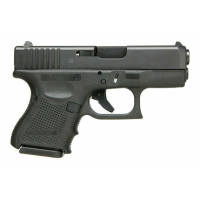
The ruling's scope is deliberately narrow. The opinion addresses machine gun conversion devices sold by a criminal to law enforcement, not semi-automatic firearms, which courts across every circuit have consistently recognized as commonly owned for lawful self-defense and therefore constitutionally protected. The Eleventh Circuit drew a clear line at the point of conversion from semi-automatic to fully automatic operation, leaving the legal landscape for semi-auto pistols and rifles untouched. As Courthouse News reported in prior coverage of oral arguments, both the government and defense centered the dispute on exactly where that line falls — and the panel placed it at the conversion device.
For manufacturers and dealers operating in the lawful semi-automatic market, the ruling does not change daily business. The conversion devices at issue are already federally prohibited and carry no legal retail market. The Alsenat opinion confirms that courts will continue drawing a distinction between arms in common lawful use and devices designed specifically for illegal modification of those arms.
The broader circuit landscape on machine gun laws under Bruen remains unsettled. News2A noted that some circuits have shown greater openness to facial challenges against the machine gun ban under the historical tradition test Bruen demands, and a deepening split could eventually draw Supreme Court attention. The NRA-backed Jensen v. ATF challenge in the Northern District of Texas presses the constitutional question about NFA registration requirements directly, and that case is in active briefing. For lawful gun owners and the firearms industry, Alsenat is a data point in a still-developing doctrinal picture — the key practical takeaway is that the ruling's reach stops at illegal conversion hardware and does not extend to any lawfully owned firearm.



Comments